
A lockable plastic buffet cabinet offers a lightweight, moisture-resistant, and pest-proof solution for organizing kitchen essentials while keeping them secure. In tropical climates where high humidity can warp wood and rust metal, durable plastic cabinets serve as an excellent alternative for storing plates, glassware, and pantry items. Finding the right unit requires evaluating structural reinforcement, lock durability, and precise physical dimensions to ensure it can safely support heavy dishware without tipping or bowing.
To make the right choice, you must look beyond aesthetics and focus on load capacity, locking security, and how well the unit fits into your kitchen’s workflow. Since dishware is heavy and fragile, a standard utility cabinet may not suffice. Instead, a dedicated plastic cabinet with lock and key features, reinforced shelving, and a stable base is necessary to protect your investment and keep your household safe.
Assessing Your Kitchen Storage and Security Needs
Before browsing online marketplaces, define what you intend to store and why security is a priority. Kitchen storage needs vary widely, and identifying your primary goal will dictate the cabinet’s size, shelf configuration, and locking style. For instance, if your main objective is to restrict access to sharp kitchen shears, heavy cleavers, or chemical cleaning agents, you will require a highly secure, tamper-resistant lock.
Products mentioned in this guide
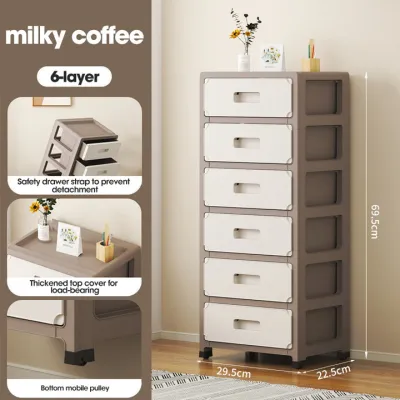
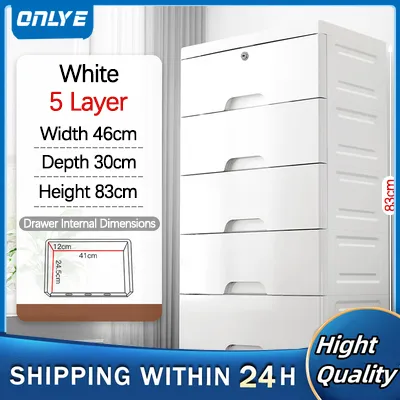
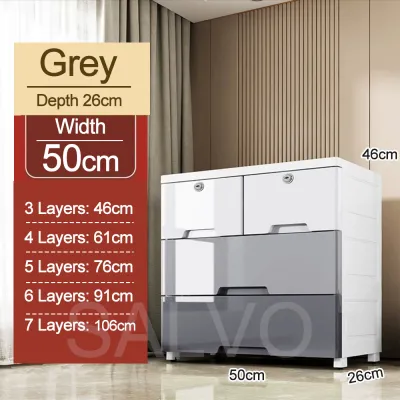
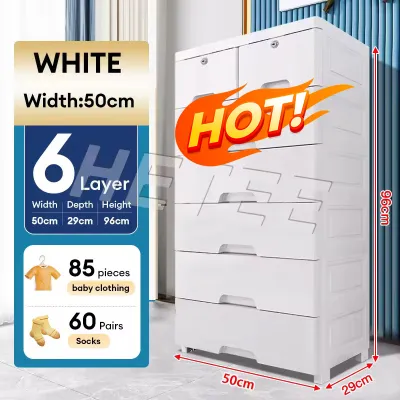
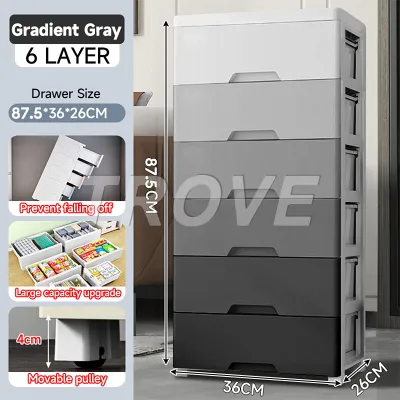
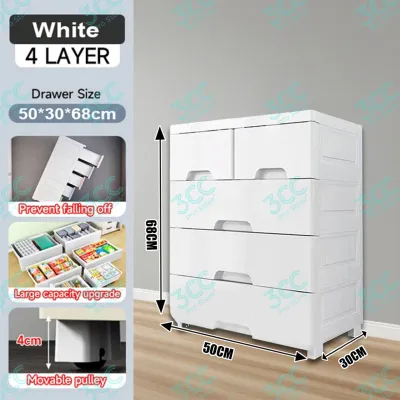
Prices are valid at publication and may change. Please refer to the product page for the latest price.
On the other hand, if you are looking to organize everyday dinnerware, ceramic bowls, or seasonal glassware, your focus should shift toward dust protection and pest prevention. In warm, humid environments, open shelving exposes clean dishes to airborne grease, dust, and pests. A fully enclosed plastic cabinet with tight-fitting doors keeps your dining essentials hygienic and ready for immediate use without the need for constant rewashing.
While plastic is highly resistant to moisture and will not swell like wood composites, it is sensitive to extreme heat. Placing a plastic unit too close to a gas range, oven, or rice cooker can lead to localized warping or discoloration over time. Assess your kitchen layout to ensure the cabinet can be positioned away from direct heat sources while remaining convenient to your dining table.
Verifying Load Capacity for Heavy Dishware
The most critical safety factor when choosing a plastic cabinet with lock and key is its load capacity. Ceramic plates, stoneware bowls, and glass baking dishes are exceptionally heavy when stacked together. A single stack of dinner plates can easily weigh several kilograms, which can cause unreinforced plastic shelves to sag, warp, or buckle under continuous stress.

To prevent structural failure, always check the manufacturer’s specifications for the maximum weight limit per shelf, as well as the total weight capacity of the entire unit. High-quality plastic cabinets designed for kitchen use often feature structural reinforcements to handle heavy loads. Look for shelves with ribbed undersides, thicker plastic gauges, or integrated metal support bars that run along the length of the shelf to distribute weight evenly.
Regardless of the shelf design, proper weight distribution is essential to minimize tipping hazards. Always place your heaviest items, such as ceramic mixing bowls and large stacks of dinner plates, on the bottom shelf of the cabinet. This practice keeps the unit’s center of gravity low, significantly improving its stability when doors are opened or closed. Lighter items, such as plastic containers, drinking cups, and packaged pantry goods, should be reserved for the upper shelves.
Choosing the Right Lock and Security Features
A secure locking mechanism is the defining feature of a plastic cabinet with lock and key, but not all locks offer the same level of protection. When evaluating your options, consider whether you need a built-in key lock, an integrated padlock hasp, or simple child-safety latches. Built-in cylinder locks that utilize a physical metal key are highly effective for general security, preventing children or guests from accessing sensitive items.
However, the durability of a built-in lock depends heavily on the quality of the plastic housing surrounding it. If the lock cylinder is mounted in thin, flexible plastic, a firm pull on the door handle can easily crack the frame and bypass the lock entirely. Look for cabinets where the lock housing is reinforced with thicker molded plastic or metal plates, ensuring the locking bolt engages securely with the opposite door or the cabinet frame.
Before finalizing your purchase, pay close attention to door alignment and hinge quality. If the cabinet doors do not align perfectly due to uneven flooring or poor assembly, the locking mechanism will not engage smoothly. Forcing a lock to turn when the doors are misaligned puts immense stress on the plastic components, leading to premature wear or breakage. Choose cabinets with sturdy, multi-point hinges that keep the doors perfectly level and aligned over years of daily use.
Measuring Space, Clearance, and Assembly Paths
Even the most durable plastic cabinet is useless if it does not fit your kitchen footprint or cannot be brought into your home. Before ordering, measure the designated floor space with a reliable tape measure. Do not rely on visual estimates; instead, measure the width, depth, and height of the area, taking into account baseboards, wall outlets, light switches, and nearby window frames that might obstruct the cabinet.
Clearance is equally important for daily usability and safety. Ensure there is ample room for the cabinet doors to swing fully open without hitting dining chairs, kitchen islands, or major appliances. If your kitchen is compact, consider how the open doors will affect the flow of foot traffic. You should also verify that the cabinet does not block essential ventilation paths for refrigerators, freezers, or cooking appliances, as restricted airflow can cause these machines to overheat.
Most plastic cabinets are lightweight when empty, which makes them easy to move but also increases the risk of tipping over when loaded with heavy dishware. To ensure absolute safety, check if the manufacturer includes wall-anchoring hardware with the cabinet. Anchoring the top of the cabinet to a wall stud or solid masonry is highly recommended, especially in households with active children or pets, as it prevents the unit from accidentally tipping forward if someone pulls on the doors or climbs on the shelves.
Cleaning and Maintaining Plastic Cabinets
One of the greatest advantages of plastic kitchen furniture is how easy it is to clean, but maintaining its appearance and structural integrity requires the right approach. To clean the surfaces, use a soft microfiber cloth dampened with warm water and a mild dish soap. Avoid abrasive scrubbing pads, steel wool, or harsh chemical cleaners containing bleach, ammonia, or acetone, as these can scratch the plastic finish, strip away protective coatings, and cause the material to become brittle over time.
Regular maintenance should also include routine inspections of the cabinet’s hardware. Every few months, check the tightness of any screws holding the hinges, handles, and lock mechanisms in place. Because plastic can expand and contract slightly with seasonal temperature and humidity changes, these fasteners can gradually work themselves loose, leading to sagging doors or misaligned locks.
It is also important to establish clear criteria for when a plastic cabinet has reached the end of its safe operating life. Inspect the shelves regularly for visible stress cracks, severe bowing, or discoloration, which indicate that the plastic is fatiguing under weight or UV exposure. If you notice deep cracks in the load-bearing joints, or if the lock mechanism jams repeatedly and forces you to strain the frame, stop using the cabinet immediately and contact the manufacturer for replacement parts or guidance.
Frequently Asked Questions (FAQ)
Can plastic buffet cabinets withstand high humidity near sinks?
Yes, high-quality plastic cabinets are naturally resistant to moisture and will not rot, swell, or rust when exposed to humid kitchen environments. However, you should still check the manufacturer’s guidelines to ensure the specific plastic blend is rated for damp areas. To maintain a hygienic storage space, avoid placing the cabinet directly in splash zones where water can pool around the base, and wipe down any external condensation regularly to prevent mold from forming in the door seams.
How do I prevent heavy plates from bending plastic shelves?
To prevent plastic shelves from bending or sagging, always distribute the weight of your dishware evenly across the entire surface rather than stacking everything in the center. Place your heaviest ceramic plates and glass bowls on the bottom shelf to keep the cabinet’s center of gravity low and stable. Additionally, inspect the shelves periodically for any early signs of bowing, and consider using wire rack organizers to help distribute the load more effectively.
What should I do if the plastic lock mechanism breaks?
If the built-in lock mechanism breaks, first check if the manufacturer offers replacement lock cylinders or hardware kits designed for your specific cabinet model. If official replacement parts are unavailable, you can install non-destructive aftermarket security solutions, such as adhesive child-safety locks or magnetic cabinet latches, provided they are compatible with your door design. If the door frame itself is cracked or warped, preventing the doors from closing securely, stop using the cabinet for storing restricted items until the structural components can be repaired or replaced.

Community discussion
Share your experience or ask a question. Comments are reviewed before publication.