
To seat 6 to 10 people comfortably on a portable folding dining table, you must balance individual diner space, table shape, and room clearance. A standard diner requires about 60 to 70 centimeters of width and 35 to 40 centimeters of depth to eat without bumping elbows. For a group of 6, a rectangular table should measure at least 150 to 180 centimeters in length, while a gathering of 10 demands a length of 240 to 300 centimeters. Choosing the right size involves verifying these dimensions against your available room space and checking how the folding mechanism or table legs impact legroom.
Understanding Space Requirements for 6 to 10 Diners
When hosting larger groups, the physical comfort of your guests depends heavily on the personal space allocated to each setting. A baseline width of 60 centimeters per person allows for standard dining chairs and basic elbow room, but increasing this to 70 centimeters provides a much more relaxed experience. Depth is equally critical, especially during festive gatherings where multiple serving platters, beverage pitchers, or traditional large serving dishes are placed in the center of the table. A minimum table depth of 80 to 90 centimeters ensures that individual place settings do not overlap with shared serving zones.
The shape of your portable folding dining table also dictates how efficiently you can use the surface area. Rectangular tables are highly efficient for large groups because they offer straight edges that maximize linear seating space. Oval tables provide a similar length advantage while softening the corners, making it easier to squeeze in an extra chair at the ends. Round tables excel at fostering conversation because everyone faces the center, but they require a massive footprint to seat 10 people. A round table must be at least 150 to 180 centimeters in diameter to accommodate a group of this size, which can make reaching the center dishes difficult and overwhelm smaller dining rooms.
Products mentioned in this guide
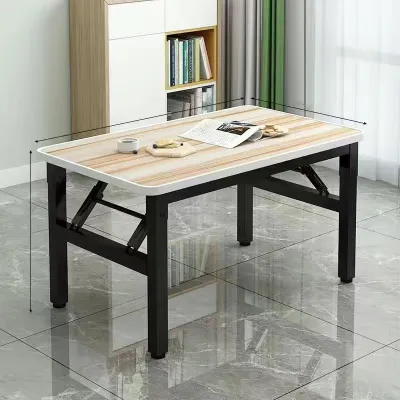
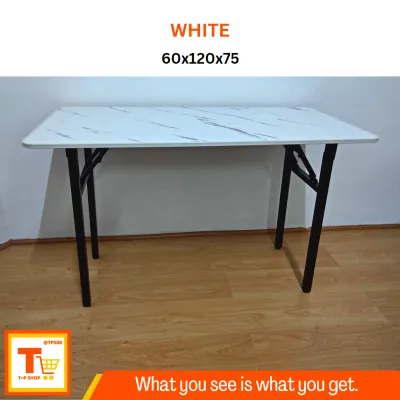
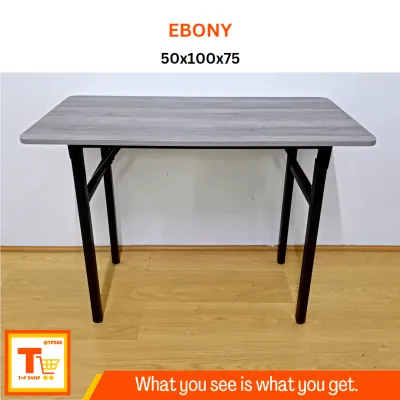
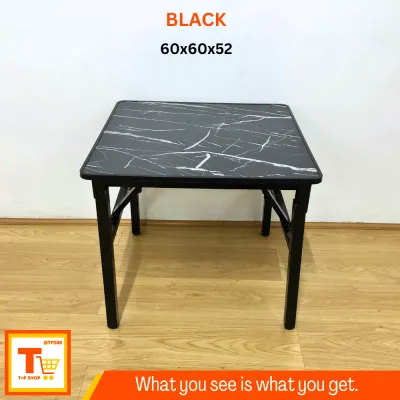
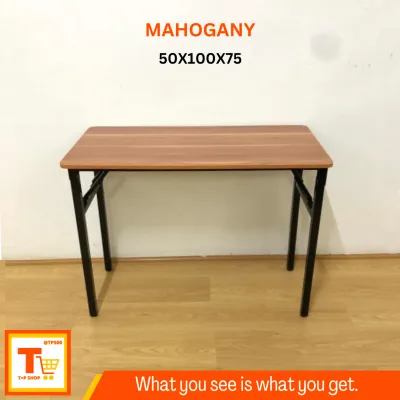
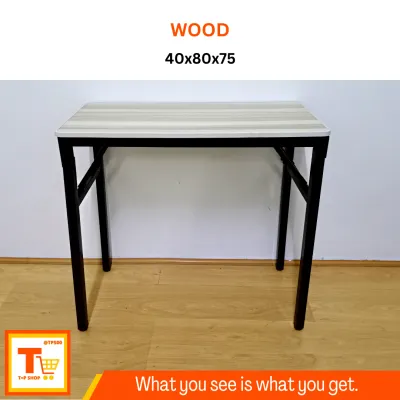
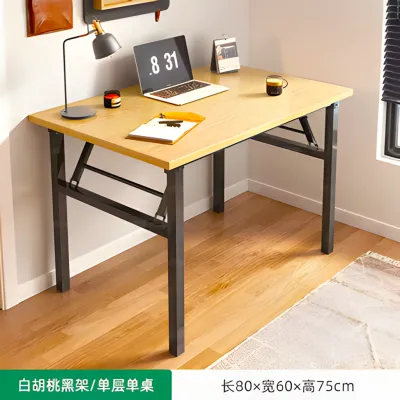
Prices are valid at publication and may change. Please refer to the product page for the latest price.
Beyond the tabletop dimensions, the design of the table base directly impacts actual seating capacity. Table legs positioned at the absolute corners offer the most unobstructed legroom for guests seated along the sides. Conversely, trestle bases, pedestal designs, or thick folding legs can severely restrict where guests can place their feet. If a folding table features wide diagonal support braces or thick under-table aprons, these structural elements can prevent chairs from sliding fully forward, forcing guests to sit uncomfortably far from their plates.
Key Dimensions and Extension Capacities to Check
Selecting the right table requires a clear understanding of both its collapsed and fully extended dimensions. For a group of 6, look for a starting length of 150 to 180 centimeters. To accommodate 8 diners, the table should extend to at least 200 to 220 centimeters. For 10 people, you will need a maximum extended length of 240 to 300 centimeters. Always verify these measurements against the manufacturer’s specifications rather than relying on generic seating estimates.

If you opt for an extendable or folding design, evaluate how the extension panels or leaves operate. Some models feature drop-leaves that hang vertically when not in use, while others utilize butterfly leaves that fold and store neatly inside the table frame. Removable extension panels are another common option, though they require separate storage space in a closet or under a bed. Ensure you have a dedicated, dry storage location for these extra panels to protect them from warping in humid tropical climates.
Before finalizing your choice, pay close attention to the structural alignment of the extended surface. When the table is fully opened, the seams between the main tabletop and the extension leaves must align perfectly to create a flat, continuous surface. Check the locking mechanisms that secure these panels in place. Loose latches can cause the seams to sag or separate under pressure, creating an unstable surface where glasses can easily tip over.
Evaluating Folding Mechanisms for Stability and Space
The type of folding mechanism you choose determines how easily the table can be set up, stored, and used for large gatherings. Drop-leaf tables are highly convenient for quick transitions, allowing you to lift the sides and lock them into place with pull-out supports. However, because these leaves rely on hinges, you must verify that the hinge hardware is heavy-duty and securely fastened to prevent the extended sections from sagging under the weight of heavy serving dishes.
Gateleg tables offer excellent stability by swinging a portion of the leg frame outward to support the extended tabletop. However, these swinging legs can create physical barriers for your guests’ knees. When planning your seating arrangement, check where these gatelegs rest when fully extended to ensure they do not block a guest’s designated seating position. Expandable console tables offer a highly compact alternative, transforming from a slim console to a full-length dining table using telescoping metal slides.
Structural integrity is paramount when a portable folding dining table is fully extended to its maximum length. Look for models that feature robust cross-bracing, metal-to-metal connections, and secondary center support legs. Any table extending beyond 200 centimeters should ideally have center legs to distribute the weight evenly and prevent the middle of the frame from bowing. Finally, consider the physical weight of the table; it must be sturdy enough to remain stable, yet light enough or equipped with integrated wheels so you can move and store it without strain.
Measuring Your Room and Clearance Zones
A table that accommodates 10 people is only practical if it fits comfortably within your dining space while allowing for safe movement. To establish a functional layout, measure your room and ensure there is a minimum clearance zone of 90 centimeters between the edge of the extended table and the nearest wall or piece of furniture. This clearance provides just enough space for guests to pull out their chairs and sit down without bumping into obstacles.
For a truly comfortable dining experience, aim for a clearance of 120 centimeters along major walkways and high-traffic zones. This extra space allows family members to walk behind seated guests without forcing anyone to squeeze forward. When planning your layout, account for other room elements such as swinging doors, standing fans, and nearby storage cabinets that need to open fully even when the table is completely extended.
Do not forget to plan the physical path required to transport the table from its storage location to the dining area. Measure the width of your hallways, doorways, and any tight corners or stairwells the folded table must pass through. If you live in a condominium or multi-story home, verify that the folded dimensions of the table can easily fit inside the lift or around tight stairwell landings. A table that is too bulky to transport through your home will remain unused, regardless of how well it fits the dining room.
Common Sizing Mistakes to Avoid
One of the most frequent errors when purchasing a portable folding dining table is overestimating seating capacity based solely on the maximum edge length. Many buyers forget to subtract the space occupied by the table legs. If the legs are set inward from the corners, they can easily eliminate potential seating spots by blocking where guests would naturally place their chairs and legs.
Another common mistake is ignoring the physical bulk of the table base when it is fully extended. A massive, heavy-looking base can make a small or moderately sized dining room feel incredibly cramped and cluttered, even if the physical measurements technically fit. Protruding support legs can also become tripping hazards in tight spaces, especially during busy family gatherings where people are frequently moving around the room.
Lastly, always measure the actual width and height of the dining chairs you plan to use before purchasing your table. Standard dining chairs vary significantly in size, and bulky or wide designs may not fit side-by-side between the table legs. If your chairs cannot slide fully under the table when it is collapsed, they will occupy valuable floor space and disrupt the flow of your dining area.
Frequently Asked Questions (FAQ)
Can a portable folding table comfortably seat 10 people without feeling flimsy?
Yes, a portable folding table can comfortably and safely seat 10 people, provided you select a model with robust structural reinforcements. When hosting a large group, look for tables constructed with heavy-duty steel or aluminum frames rather than lightweight plastic. Check the manufacturer’s specifications for integrated center support legs, locking cross-braces, and secure hinge mechanisms that prevent the table from swaying or bowing. It is also essential to verify the rated weight capacity to ensure the frame can easily support the combined weight of tableware and serving platters.
How do I calculate the right table size if I use armchairs instead of standard dining chairs?
If you plan to use armchairs, you must adjust both your width and vertical clearance calculations. Armchairs require a wider per-person allowance of at least 75 to 80 centimeters to prevent the armrests from bumping. Additionally, measure the height of the chair arms and compare it to the clearance under the table apron or support frame. If the armrests cannot slide fully underneath the tabletop, guests will be forced to sit further back, which increases the overall footprint of the dining arrangement and requires larger clearance zones around the table.

Community discussion
Share your experience or ask a question. Comments are reviewed before publication.