
Pairing the perfect portable small table with your outdoor lounger transforms a simple backyard or balcony into a fully functional personal sanctuary. In the Philippines, where tropical warmth invites long afternoons of outdoor relaxation, having a dedicated spot to place an iced drink, a book, or a smartphone is essential for comfort. However, selecting the right table involves more than just picking an attractive design; it requires finding a balance between portability, height compatibility, and the ability to withstand local weather conditions.
A well-chosen side table should seamlessly integrate with your existing outdoor setup without becoming an obstacle. Because outdoor loungers vary widely in height, material, and reclining angles, a one-size-fits-all approach rarely works. By focusing on key structural features, precise measurements, and material verification, you can find a portable small table that enhances your outdoor leisure time for years to come.
Essential Features for a Lounger Side Table
When evaluating a portable small table, portability and ease of movement should be your primary considerations. A table that is too heavy will remain stationary, defeating the purpose of a flexible outdoor layout, while a table that is too light may easily tip over during a sudden gust of wind. Look for models that strike a balance, typically weighing between two to five kilograms, which provides enough substance to remain stable while remaining easy to carry with one hand.
Products mentioned in this guide
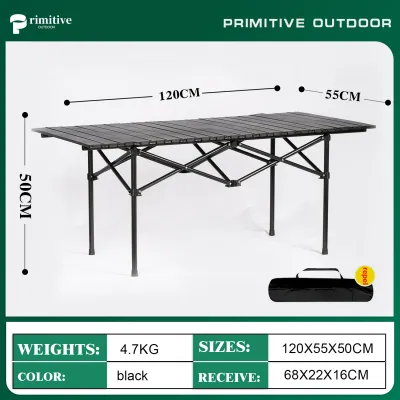
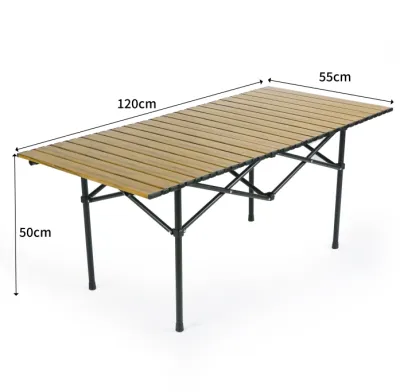
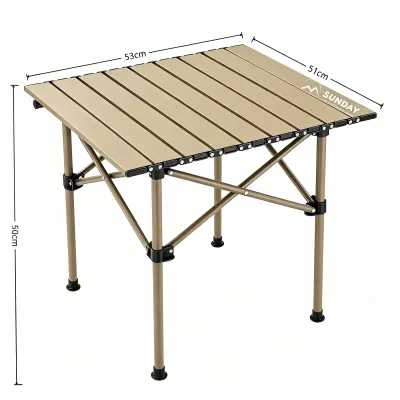
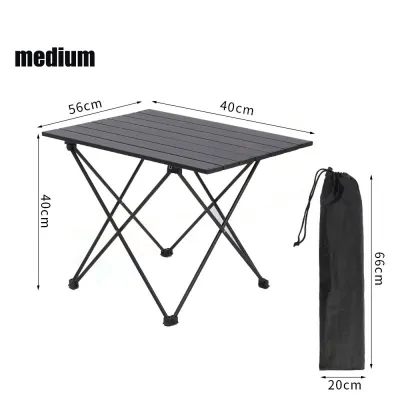
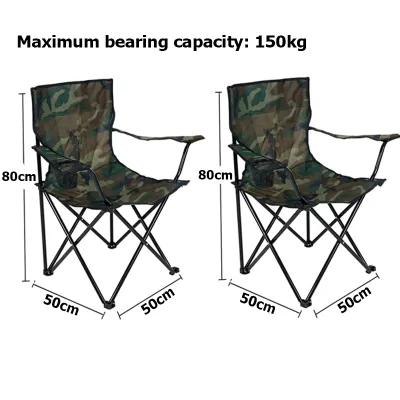
Prices are valid at publication and may change. Please refer to the product page for the latest price.
The folding mechanism is another critical feature that dictates how easily you can reposition or store the table. High-quality folding tables utilize smooth hinges that lock securely into place when open, preventing accidental collapses. Inspect the locking joints to ensure they do not require excessive force to operate, and check that the frame folds flat enough to slide into tight storage spaces, such as behind a door or inside a utility closet, when not in use.
Surface area must be sufficient to hold your outdoor essentials without feeling cluttered. A standard lounger setup usually requires space for a tall glass, a small plate or snack bowl, a pair of sunglasses, and a mobile device. Before purchasing, check the manufacturer’s specifications for the tabletop dimensions; a surface measuring roughly 40 by 40 centimeters is generally adequate for personal use without occupying too much physical space on your patio.
Ergonomic carrying features greatly improve the usability of a portable table. Some designs incorporate cut-out handles directly into the tabletop or frame, while others feature integrated fabric straps or lightweight hollow frames that serve as natural handholds. These design elements allow you to carry the table alongside a towel, a book, or a refreshing drink in your other hand, making it simple to move your relaxation spot from the sunny poolside to the shade of a garden tree.
Matching Height and Footprint to Your Lounger
Achieving ergonomic comfort requires matching the height of your portable small table to the specific dimensions of your outdoor lounger. Ideally, the tabletop should sit level with or slightly below the armrest of your lounger, or level with the seat if your lounger does not have arms. This positioning allows you to reach for a drink or a book naturally without straining your shoulder, bending sideways, or risking spilling your beverage.

To find your ideal table height, sit comfortably in your lounger and let your arm rest naturally at your side. Measure the distance from the ground to your fingertips or the top of the armrest; this measurement serves as your target table height, which typically falls between 40 and 55 centimeters for standard outdoor furniture. If your lounger has multiple reclining positions, take measurements at both the fully upright and fully reclined angles to ensure the table remains accessible in all configurations.
The physical footprint of the table must also be compatible with your outdoor space, especially if you are furnishing a narrow condo balcony or a crowded pool deck. Measure the available floor space beside your lounger, keeping in mind that you need to maintain clear walkways. A table with a compact base ensures you can walk around your lounger safely without stubbing your toes or knocking the table over in tight quarters.
Finally, consider the clearance required for your lounger’s moving parts. Many outdoor loungers feature reclining backrests, pull-out footrests, or integrated sunshades that swing outward. Ensure the table’s placement and leg structure do not interfere with these mechanisms, allowing you to adjust your lounger freely without having to reposition the table every time you change your seating angle.
Verifying Weather Resistance and Outdoor Durability
The tropical climate of the Philippines presents unique challenges for outdoor furniture, including intense sunlight, high humidity, and heavy seasonal rainfall. Rather than assuming a table is durable based solely on its material name, you must verify its specific weather-resistant treatments by reading product labels and manufacturer specifications. Look for explicit mentions of UV-stabilized materials, rust-proof coatings, or waterproof ratings to ensure longevity.
For metal tables, powder-coated aluminum or steel is highly recommended because the coating acts as a barrier against moisture and oxygen, preventing rust. Inspect the finish closely for any chips, bubbles, or uneven application, as these imperfections can allow moisture to penetrate and degrade the metal underneath. If you live near coastal areas where salty air accelerates corrosion, prioritizing marine-grade hardware or high-density plastics is a practical choice.
Wooden tables require careful inspection of their finish and joint construction. Hardwoods like teak, eucalyptus, or acacia naturally resist moisture better than softwoods, but they still require proper sealing or oiling to maintain their integrity under the hot sun. Check the manufacturer’s care instructions to see how often the wood needs to be treated, and inspect the joints to ensure they are held together with rust-resistant brass or stainless steel screws rather than cheap staples or glue. When budgeting for a portable small table, options typically range from under ₱1,000 for basic resin models to over ₱3,000 for premium treated hardwoods, allowing you to find a solution that fits your financial plan.
Synthetic materials, such as high-density polyethylene (HDPE) or resin, offer excellent resistance to moisture and insects, making them highly practical for poolside use. However, cheap plastics can quickly become brittle and fade under intense UV exposure. Verify that the product specifications explicitly state that the material is UV-resistant, which indicates that chemical stabilizers were added during manufacturing to prevent the plastic from cracking or warping in the sun.
Ensuring Stability on Uneven Outdoor Surfaces
Outdoor lounging often takes place on surfaces that are far from perfectly flat, such as grassy lawns, gravel pathways, or slightly sloped wooden decking. A portable small table must be able to maintain its balance on these surfaces to prevent drinks from sliding off or the entire table from tipping over. Evaluating the leg design and base structure of the table is essential for ensuring stability in real-world outdoor conditions.
Different base designs perform better on specific ground types. Cross-legged or X-frame tables are highly portable and fold easily, but they can wobble on uneven stone or soft grass because all four contact points must sit on level ground. Flat pedestal bases or solid block designs work beautifully on smooth tiled patios but can tilt dangerously on gravel. For soft lawns, tables with pointed stake-in legs or wide, flared feet provide the best anchorage.
To combat uneven ground, look for portable tables equipped with adjustable leveling feet. These small, screw-in glides located at the bottom of the table legs allow you to adjust the height of each leg individually, compensating for sloped pool decks or uneven garden pavers. This simple feature can instantly turn a frustratingly wobbly table into a rock-solid surface for your refreshments.
The table’s center of gravity also plays a major role in preventing tip-overs. A table with a heavy, low-slung base and a lightweight tabletop is inherently more stable than a top-heavy design. When browsing options, avoid tables with excessively thin, lightweight legs paired with thick, heavy stone or glass tops, as these are easily knocked over by pets, children, or strong winds when holding top-heavy items like tall tumblers or wine glasses.
Comparing Common Portable Table Structures
Understanding the structural differences between common portable table designs will help you narrow down the best option for your specific outdoor layout and lounger style. Each structure offers distinct advantages in terms of space-saving capability, ease of transport, and surface stability.
Tray-top tables feature a removable top that sits securely on a folding cross-leg frame. This design is incredibly convenient for outdoor entertaining, as it allows you to load up the tray with snacks and drinks in the kitchen, carry it outside, and place it directly onto the waiting base. However, because the tray is detachable, you must ensure it locks firmly onto the frame to prevent accidental spills if bumped.
Folding pedestal tables utilize a central support column that branches out into three or four feet at the bottom. This structure maximizes legroom around the table, making it easier to position close to your lounger without your knees hitting the table legs. While highly stable on flat concrete or tiled surfaces, pedestal tables can be more prone to tipping on soft soil or gravel if the base footprint is too narrow.
C-tables, named for their distinct “C” shape, feature a cantilevered design where the base slides underneath the bottom of the lounger while the tabletop hovers directly over the armrest or seat. This structure is an exceptional space-saver, making it ideal for narrow balconies or tight poolside layouts where space is at a premium. Because the weight is offset, it is crucial to verify the manufacturer’s weight capacity limits to ensure the cantilevered top can support your items safely.
| Table Structure | Best Ground Type | Key Advantage | Main Limitation |
|---|---|---|---|
| Tray-Top Folding | Flat decks, patios, balconies | Removable tray simplifies serving | Can wobble on soft, uneven grass |
| Folding Pedestal | Even tiles, concrete, flat stone | Maximizes legroom around the base | Requires flat ground to prevent tipping |
| C-Table (Slide-Under) | Firm, flat surfaces | Minimizes footprint, hovers close | Not suitable for soft lawns or gravel |
Frequently Asked Questions (FAQ)
Can I leave a portable small table outside all year round?
Whether you can leave your portable small table outside indefinitely depends entirely on its specific weather-resistant rating and materials. While many outdoor tables are labeled as weather-resistant, this does not mean they are completely waterproof or impervious to long-term exposure to harsh tropical elements. Over time, constant exposure to intense UV rays and heavy monsoon rains can degrade even high-quality finishes, leading to fading, rust, or wood rot.
To maximize the lifespan of your table, it is highly recommended to store it indoors, in a garden shed, or under a covered patio during the heavy rainy season or when it will not be used for extended periods. If indoor storage space is limited, investing in a heavy-duty, waterproof furniture cover that fits securely over the folded table is an excellent alternative. This simple step protects the joints, hardware, and surface finish from premature wear.
How do I clean and maintain the table surface after outdoor use?
To preserve the protective coatings and structural integrity of your portable small table, always check the manufacturer’s care label for approved cleaning methods. For most outdoor materials, including powder-coated metals, synthetic resins, and sealed woods, a simple solution of mild dish soap and warm water applied with a soft microfiber cloth is sufficient to remove dust, pollen, and spilled drinks.
Avoid using abrasive scrubbing pads, steel wool, or harsh chemical cleaners containing bleach, ammonia, or acid, as these can scratch the surface and strip away the protective UV-resistant or rust-proof coatings. After cleaning, rinse the table thoroughly with clean water to remove any soap residue, and dry it completely with a clean towel before folding or storing it to prevent moisture from becoming trapped in the hinges and joints.

Community discussion
Share your experience or ask a question. Comments are reviewed before publication.