
To choose the right rattan headboard size, you must match the headboard’s width to your bed frame’s outer dimensions while accounting for mattress height and available wall space. A proper fit ensures the headboard aligns flush with or slightly wider than your mattress, preventing awkward gaps and ensuring structural stability. In the Philippines, where tropical humidity and natural aesthetics make rattan a popular choice, selecting the correct size also involves considering how the material behaves in your specific bedroom climate. Rattan’s organic texture adds warmth, but its physical footprint must be carefully calculated against your bed frame, baseboards, and room layout to avoid installation headaches.
Understand Standard Bed Frame and Headboard Dimensions
Standard bed sizes in the local market typically follow familiar categories: single, double, queen, and king. A standard single bed frame usually measures around 36 inches wide, while a double frame spans approximately 54 inches. Queen frames generally measure 60 inches in width, and king frames expand to 72 inches or more.
Headboard widths are designed to correspond with these standard frame sizes, but they often feature a slight overhang of one to two inches on each side. This extra width ensures that the bedding and mattress do not spill past the edges of the headboard, creating a clean, framed appearance.
Products mentioned in this guide

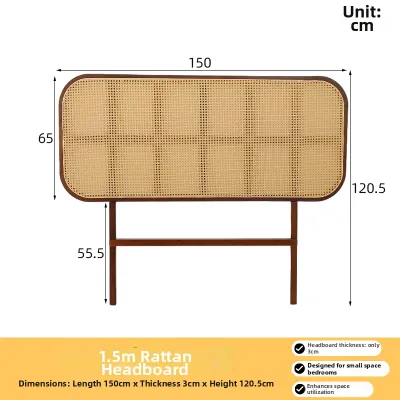

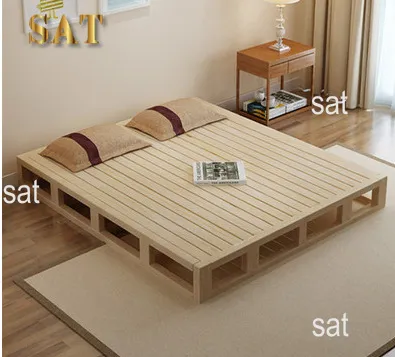
Prices are valid at publication and may change. Please refer to the product page for the latest price.
Height is another critical dimension that varies significantly based on design style and ceiling height. Standard headboards typically range from 48 inches to over 60 inches tall from the floor to the highest point. If your bedroom has low ceilings, a towering headboard can make the room feel cramped, whereas high ceilings can easily accommodate taller, more dramatic rattan weaves.
Mattress thickness directly impacts how much of the rattan pattern remains visible once the bed is fully made. A thick mattress combined with a high-profile topper can easily block a significant portion of a low-profile headboard. You must calculate the combined height of your bed frame and mattress to determine the remaining visible headboard area.
Never rely solely on generic size labels like “queen” or “king” when purchasing a rattan headboard. Frame manufacturers often have slight variations in their actual dimensions, especially with custom-built wooden frames or imported designs. Always check the manufacturer’s spec sheet for the exact millimeter or inch measurements of both your bed frame and the headboard before finalizing your purchase.
Measure Your Space and Bed Frame Accurately
Accurate physical measurements are the foundation of a successful headboard installation. Start by measuring the exact outer width of your bed frame from one edge to the other using a metal measuring tape. If you plan to mount the headboard directly to the frame, locate the pre-drilled mounting holes on the back of the bed posts and measure the distance between them from center to center.

Next, measure the available wall space where the bed will sit, keeping an eye out for wall features that could interfere with placement. Note the location of electrical outlets, light switches, and wall-mounted sconces. A headboard that blocks an outlet or sits partially over a light switch will create daily inconveniences and potential safety hazards.
Baseboards and skirting boards along the bottom of your walls can prevent a headboard from sitting completely flush against the wall surface. If you are choosing a wall-mounted or floor-standing rattan headboard, measure the thickness of your baseboards. You may need to account for a small gap or use spacers to ensure the headboard remains stable and does not lean backward.
Do not forget to measure the path of delivery from your front door to the bedroom. Rattan headboards are often delivered as single, fully assembled panels that cannot be disassembled or bent. Measure the width and height of all doorways, narrow hallways, stairwell turns, and elevator cabins to guarantee the piece can be safely transported into your home without damaging the delicate woven fibers.
In tropical environments like the Philippines, high humidity can cause natural materials to expand or contract slightly over time. When measuring your space, allow for a tiny clearance margin of about half an inch around the headboard. This small buffer prevents the rattan frame from rubbing tightly against walls or adjacent wooden furniture, which can wear down the protective finish and lead to squeaking noises.
Match Headboard Proportions to Your Bedroom Layout
The visual scale of your headboard should harmonize with the overall dimensions of your bedroom. In spacious master bedrooms, a standard-sized headboard can sometimes look lost or insignificant against a large expanse of wall. For these larger spaces, consider an extended or extra-wide rattan headboard that stretches beyond the bedside tables, creating a cohesive, hotel-like focal point.
Conversely, smaller bedrooms require a more disciplined approach to scale and proportion. A massive, high-profile headboard in a compact room can overwhelm the space, making the ceiling feel lower and the floor area feel more restricted. Opt for a streamlined, low-profile design that aligns closely with the width of the mattress to preserve precious visual breathing room.
The density of the rattan weave also plays a major role in its visual weight. Open, airy weaving patterns like classic cane or peacock-style loops allow light and wall color to pass through, making them ideal for smaller or darker rooms. Tighter, solid wicker weaves have a heavier visual presence that suits larger, well-lit spaces where you want to anchor the bed as the primary design element.
Frame thickness is another factor that influences both physical space and visual balance. Some rattan headboards feature thick, sturdy bamboo or solid wood outer frames that add several inches to the overall depth of the bed. Ensure your room layout can accommodate this extra depth without restricting walking paths around the foot of the bed or blocking closet doors.
Evaluate Mounting Options and Installation Requirements
Rattan headboards generally come in three primary installation styles: bed frame-mounted, wall-mounted, or freestanding (which sit on the floor and are sandwiched between the wall and the bed frame). Frame-mounted options are highly convenient because they move with the bed, but they require precise alignment between the headboard struts and the frame’s mounting brackets.
Before purchasing a frame-mounted headboard, inspect the back of your existing bed frame for pre-drilled holes or slot brackets. Measure the height of these holes from the floor and compare them to the strut dimensions of the headboard. If the holes do not align, you may need to purchase separate adapter plates or drill new holes into the wooden frame, which requires proper tools and woodworking care.
Wall-mounted rattan headboards offer excellent stability and allow you to adjust the mounting height to your exact preference. However, they require secure anchoring into the wall structure. If you are mounting onto concrete, brick, or solid masonry—common in many Philippine homes—you will need a hammer drill, masonry wall plugs, and heavy-duty screws to ensure the headboard remains firmly attached.
For drywall or hollow plasterboard walls, you must locate the wooden studs behind the wall to anchor the mounting brackets securely. Relying solely on simple drywall anchors can lead to the headboard pulling away from the wall over time, risking damage to your home. If you are unsure about your wall’s load-bearing capacity or lack the necessary tools, stop and consult a qualified local handyman or professional installer.
Regardless of the mounting style, check the quality of the joints and bindings on the rattan headboard before installation. High-quality rattan furniture features tight, secure wraps around all joints to prevent wobbling. If you notice loose bindings or weak connection points, reinforce them or contact the manufacturer before attempting to mount the headboard to your wall or frame.
Common Sizing and Proportion Mistakes to Avoid
One of the most frequent mistakes is purchasing a headboard that is narrower than the mattress itself. This mismatch creates an awkward, top-heavy look where the mattress appears to spill over the sides of the headboard. Always ensure the headboard is at least equal to the width of your mattress, if not slightly wider, to maintain a balanced silhouette.
Another common oversight is failing to account for the total height of your bedding ensemble, including thick mattresses, mattress toppers, and decorative pillows. If you choose a headboard with a low decorative panel, a stack of plush pillows can completely obscure the beautiful rattan weaving. Measure your mattress height while fully dressed with pillows to ensure a generous portion of the rattan remains visible.
Finally, many homeowners overlook the physical clearance required for adjacent bedroom furniture. An extra-wide headboard might overlap with your bedside tables, preventing them from sitting flush against the wall or blocking access to drawers. Carefully map out the placement of your nightstands, reading lamps, and nearby wardrobe doors to ensure the headboard does not interfere with daily movement or furniture functionality.
Frequently Asked Questions (FAQ)
Can I use a queen-size rattan headboard on a double bed frame?
Yes, you can physically use a queen-size headboard on a double bed frame, but it requires careful consideration of the visual and structural trade-offs. A queen headboard is approximately six inches wider than a double mattress, which means it will overhang by about three inches on each side. This overhang can look intentional and elegant if styled correctly, but it may require adapter brackets to align the mounting points of the wider headboard with the narrower double frame.
How high should a rattan headboard be above the mattress?
As a general rule, a rattan headboard should extend at least 14 to 29 inches above the top of your mattress. This height ensures that the intricate woven patterns remain visible even when you stack sleeping and decorative pillows against it. If you enjoy sitting up in bed to read or watch television, a taller visible height of 24 to 30 inches provides comfortable back support and prevents your head from resting directly against the hard wall surface.

Community discussion
Share your experience or ask a question. Comments are reviewed before publication.