
Integrating rattan wall shelves into a home study in the Philippines brings a warm, organic texture that softens the clinical feel of modern office equipment. Achieving an organized, clutter-free workspace requires balancing this tropical aesthetic with practical structural checks. Selecting the right shelf involves evaluating the physical dimensions of your study, verifying the load-bearing capacity of the unit, inspecting the underlying frame construction, and ensuring compatibility with your specific wall type. By focusing on these functional details, you can select a rattan shelf that is both visually appealing and fully capable of supporting your books, files, and office essentials.
Assessing Space, Dimensions, and Load Capacity
Before purchasing any wall-mounted furniture, you must accurately assess the physical boundaries of your home study. Begin by measuring the available wall clearance, noting both the width and height of the designated installation area. It is vital to check for potential obstructions such as window frames, door swings, light switches, electrical outlets, and wall-mounted air conditioning units. A shelf that blocks a switch or sits too close to an air conditioning vent can create daily inconveniences and expose the unit to localized drafts or moisture.
Next, consider the depth of the shelf in relation to your workspace. A shelf that projects too far from the wall can obstruct pathways or cast shadows over your desk, while a shelf that is too shallow will fail to accommodate standard binders or storage boxes. Measure the items you plan to store, paying close attention to the depth of your largest books or organizers, and compare these measurements against the manufacturer’s specified product depth.
Products mentioned in this guide
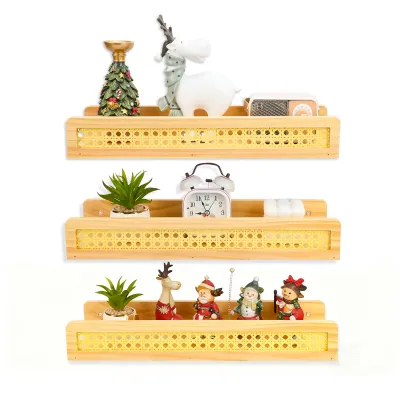
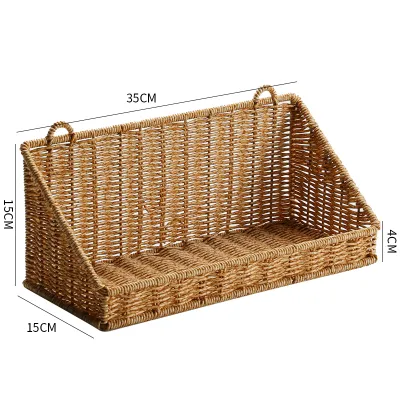



Prices are valid at publication and may change. Please refer to the product page for the latest price.
Estimating the cumulative weight of your study items is a critical step in preventing shelf sag or wall damage. Textbooks, reference manuals, and paper documents are deceptively heavy, often weighing several kilograms when stacked together. To establish a realistic minimum load capacity, weigh a representative stack of your books or office supplies on a household scale, then multiply that weight by the number of shelves you plan to fill. This calculation provides a baseline weight requirement that you can compare against the product specifications.
Always verify the exact product dimensions and weight limits provided by the manufacturer before finalizing your purchase. Online listings can sometimes feature stylized photos that make shelves appear larger or more robust than they are in reality. Relying on written specifications rather than visual impressions ensures that the shelf will fit your wall perfectly and safely support your study materials.
Evaluating Rattan Construction and Material Quality
While the woven texture of rattan is highly appealing, the material itself requires careful inspection to ensure long-term durability in a study environment. Rattan is a natural, flexible vine, which means it relies on an underlying structural frame to maintain its shape and support weight. When evaluating a shelf, look closely at the frame material specified by the manufacturer. High-quality units typically feature frames made of solid wood, engineered wood, or powder-coated metal, with the rattan woven around or inset into this sturdy skeleton.

Inspect the quality of the weaving and the overall finish of the shelf. The weave should be tight, uniform, and free from loose ends or unraveling fibers that could snag papers or clothing. Run your hand carefully along the surfaces to check for sharp splinters or rough patches, which can indicate poor sanding or a lack of protective topcoat. A smooth, well-applied clear lacquer or protective finish not only prevents splinters but also helps shield the natural fibers from dust and ambient moisture.
Pay close attention to the joint connections where the shelves meet the frame. Look for reinforced joints, such as double-screwed connections, metal brackets, or sturdy dowels, rather than simple glue or thin staples. Weak joints are the most common failure points under the weight of heavy books.
Ultimately, you should rely strictly on the manufacturer’s stated weight limits and care labels rather than assuming a shelf is durable simply because it is made of rattan. Natural materials vary widely in strength depending on how they are processed and framed. Checking the official specifications ensures you do not overload the unit and compromise its structural integrity.
Choosing the Right Shelf Configuration for Your Needs
The layout of your home study and the nature of your storage needs should dictate the configuration of the rattan shelves you choose. Multi-tiered ladder shelves or wall-mounted shelving units offer excellent vertical storage, making them ideal for compact study rooms where floor space is limited. These multi-shelf configurations allow you to organize items by frequency of use, keeping active reference books on lower, easily reachable tiers while placing decorative items or archival storage on the upper levels.
Single floating shelves, on the other hand, provide a minimalist look and can be placed strategically above a desk or in small wall recesses. They are perfect for displaying a few curated items, such as a small desk clock, a potted plant, or a couple of current reading books. If your study has unused corners, a specialized corner rattan shelf can maximize your room’s geometry, turning an awkward space into a functional storage nook.
Balancing open display space with uncluttered work surfaces is essential for maintaining focus in a home office. Woven rattan shelves naturally draw the eye, so using them to display a mix of functional office supplies and calming decorative elements can create a more inviting work environment. Consider using small, matching storage baskets on the shelves to conceal loose items like cables, chargers, and stationery, keeping the overall look clean and organized.
For dynamic study spaces where your storage needs may change over time, look for modular or adjustable rattan shelving options. Some systems allow you to add additional tiers or adjust the height of individual shelves as your book collection or equipment inventory grows. This adaptability ensures that your shelving investment remains useful and functional for years to come.
Installation Requirements and Wall Compatibility
A secure installation is paramount when mounting shelves that will hold valuable books and office equipment. The first step is to identify the construction material of your study walls. In the Philippines, residential walls are commonly constructed from concrete, masonry hollow blocks, or drywall/gypsum board over metal studs. Each of these wall materials requires a specific type of mounting hardware and installation technique to ensure the shelf remains safely anchored.
Concrete and masonry walls offer excellent load-bearing capacity but require plastic or metal expansion anchors and a masonry drill bit to install. Drywall, on the other hand, requires specialized hollow-wall anchors, toggle bolts, or, ideally, securing the mounting screws directly into the wooden or metal wall studs behind the plaster. Using the wrong anchor type can cause the shelf to pull away from the wall, leading to structural failure and potential damage to your items.
Before beginning the installation, check whether the appropriate mounting hardware is included with your purchase and verify if it matches your specific wall type. Many manufacturers include standard screws and basic plastic anchors, which may not be suitable for heavy-duty concrete walls or thin drywall. If the included hardware does not match your wall material, purchase high-quality, compatible anchors from a local hardware store before proceeding.
Establish clear safety boundaries during the installation process. If you encounter resistance while drilling, suspect hidden electrical wiring or plumbing pipes, or find that the wall material is crumbling or unstable, stop immediately. If you are unsure of your wall’s structural integrity or if the weight of the loaded shelf exceeds standard DIY limits, consult a qualified professional installer to complete the job safely.
Routine Care and Maintenance for Rattan Shelves
Preserving the natural beauty and structural strength of rattan shelves requires consistent, low-risk maintenance. Dust tends to accumulate in the intricate crevices of woven rattan, so regular cleaning is necessary to keep the shelves looking fresh. Use a soft-bristled brush, a clean makeup brush, or a dry microfiber cloth to gently sweep away dust from the woven patterns. Avoid using stiff wire brushes or abrasive scrubbing pads, which can scratch the protective finish and fray the natural fibers.
Always check the product-specific care labels for approved cleaning solutions and moisture limits. If a deeper clean is required to remove a spill, use a slightly damp cloth with a mild, diluted soap solution, and immediately wipe the area dry with a clean towel. Never saturate rattan with water or use harsh chemical cleaners, as excessive moisture can cause the fibers to swell, warp, or weaken over time.
Proper placement within your home study plays a significant role in the longevity of rattan furniture. Position your shelves away from direct, prolonged sunlight, such as intense afternoon sun streaming through a window, as UV rays can dry out the natural fibers, causing them to become brittle and crack. Additionally, keep the shelves away from direct heat sources or damp areas to maintain a stable environment that preserves the flexibility and color of the rattan.
Frequently Asked Questions (FAQ)
Can rattan wall shelves hold heavy textbooks and equipment?
Rattan wall shelves can hold books and equipment, but their capacity depends entirely on the underlying frame construction and the mounting hardware used. Always check the manufacturer’s explicitly stated weight limit per shelf and for the entire unit before loading them with heavy items. The decorative rattan weaving itself does not support the weight; instead, the load is carried by the solid wood or metal frame and the wall anchors. To safely store heavy textbooks, ensure the shelf is anchored securely into concrete walls or wall studs using heavy-duty hardware.
How do I prevent rattan from molding in humid environments?
To prevent mold growth on rattan shelves in humid tropical climates, maintain adequate room ventilation and air circulation within your home study. Avoid placing the shelves in unventilated corners or directly against damp walls where moisture can become trapped. Regularly check the manufacturer’s care instructions for any moisture-resistance treatments or indoor-only warnings. Using an air conditioner or a dehumidifier in your study during the rainy season can also help keep indoor humidity levels within a safe range for natural fiber furniture.

Community discussion
Share your experience or ask a question. Comments are reviewed before publication.