
Finding the right side table involves more than just picking an attractive design from an online catalog. To select a side table that truly enhances your home, you must carefully evaluate your room’s physical layout, your daily habits, and the specific environmental conditions of your living space. A well-chosen side table serves as both a functional anchor for your seating area and a subtle style statement that ties the room together.
By focusing on precise measurements, storage requirements, and material compatibility with your local climate, you can find a piece that fits seamlessly into your daily routine. Whether you need a compact spot to rest your morning coffee or a mobile workstation that glides across the room, understanding these core selection factors ensures your new furniture remains a practical and durable addition to your home.
Measure Your Space and Furniture Alignment
Before browsing designs, grab a tape measure to define the physical boundaries of your potential side table. Start by measuring the available floor space next to your sofa, armchair, or sectional. It is essential to maintain clear walking paths around your seating area to prevent the room from feeling cramped or making daily movement awkward. Ideally, leave at least 30 to 45 centimeters of clearance between the side table and any adjacent coffee tables or walls to allow comfortable passage.
Products mentioned in this guide
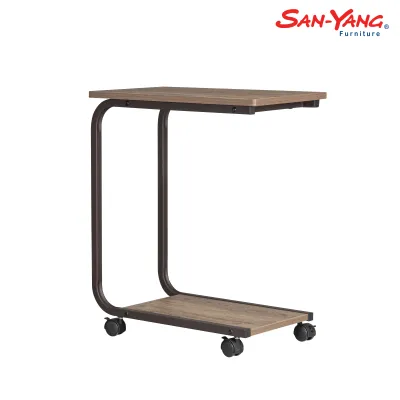
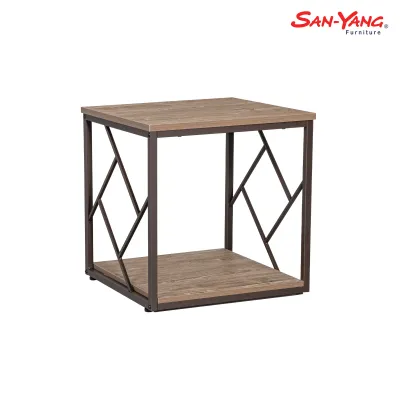
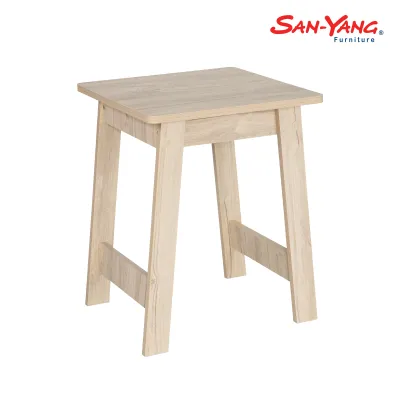
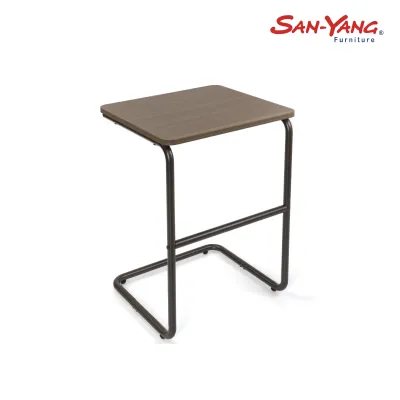
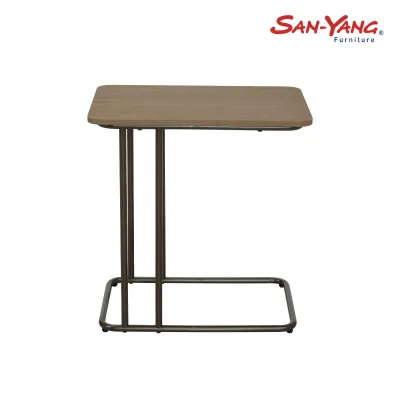
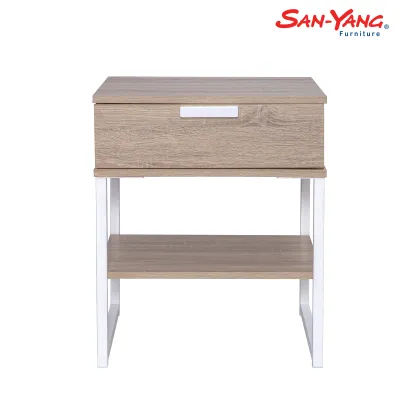
Prices are valid at publication and may change. Please refer to the product page for the latest price.
Next, measure the height of your sofa or armchair arms. For the most comfortable reach, the surface of your side table should sit within 5 centimeters of the armrest height—either slightly below or level with it. A table that is too tall can block your line of sight and feel imposing, while one that is too short makes reaching for a beverage or a remote control physically awkward.
Do not forget to account for other spatial dynamics in the room. Consider the swing radius of nearby doors, the clearance needed for cabinet drawers to open fully, and the overall visual weight of the furniture. In smaller rooms, a side table with open legs or a glass top creates an illusion of spaciousness, whereas a solid, block-style table can anchor a larger, high-ceilinged room but might overwhelm a compact apartment.
Identify Your Daily Usage and Storage Needs
Your daily habits dictate the ideal configuration of your side table. Begin by listing what you plan to place on the table surface on a regular basis. If you intend to use it for a heavy table lamp, a stack of books, and a cup of tea, you will need a generous, stable surface area. Conversely, if the table is simply a resting place for a single smartphone or a remote control, a minimalist, narrow design will suffice.

Storage is another critical factor that separates purely decorative tables from highly functional ones. If your living room tends to accumulate clutter, look for models featuring lower shelves, built-in drawers, or hidden compartments. Lower shelves are excellent for displaying magazines or storing baskets, while drawers keep charging cables, reading glasses, and personal items out of sight.
Additionally, consider how flexible your room layout needs to be. If you frequently rearrange your furniture or host guests, a mobile side table equipped with lockable casters offers incredible versatility. These tables can easily transition from a sofa companion to a temporary laptop desk or a serving cart. However, if stability on thick rugs or uneven floors is your primary concern, a stationary design with adjustable leveling feet is generally the safer choice.
Coordinate Finishes and Design Themes
A side table should complement your existing interior design rather than compete with it. To achieve a cohesive look, examine the dominant materials and colors already present in your room. If your space features warm wood tones, try to match the undertones of the side table’s finish, whether they are warm oak, cool ash, or deep walnut. You do not need an exact match, but keeping the wood undertones consistent prevents visual clashing.
For modern or industrial spaces, look for tables that incorporate metal accents, powder-coated steel frames, or tempered glass elements. A sleek metal frame can introduce a contemporary edge, while a glass top helps reflect light and makes a dark corner feel brighter. Align the table’s silhouette with your overall theme: clean, straight lines work beautifully in minimalist and mid-century modern rooms, while rounded or organic shapes soften the hard angles of contemporary layouts.
When shopping online, avoid relying solely on category names like “rustic” or “modern” to make your decision. Instead, study verified product photos, read detailed material descriptions, and look for close-up shots of the finishes. If possible, compare these descriptions with physical samples of your existing furniture to ensure the textures and sheen levels will harmonize in your actual living environment.
Verify Product Specifications and Care Requirements
Once you have narrowed down your aesthetic choices, it is time to perform a rigorous check of the product specifications. Always verify the exact dimensions, weight capacity, and structural composition directly from the official product listing or manufacturer manual. Never assume a table can support heavy items like large ceramic lamps or heavy books without checking its rated load capacity first.
In tropical climates like the Philippines, high humidity and temperature fluctuations can affect furniture materials over time. If you are selecting a table made of engineered wood or veneer, check the product details for moisture-resistant finishes or protective sealants. For solid wood or metal components, look for rust-resistant coatings or protective lacquers that prevent warping and corrosion.
Carefully review the assembly requirements before making your purchase. Some side tables arrive fully assembled, while others require complete home assembly. Check if the package includes all necessary hardware and tools, or if you will need your own screwdriver or hex keys. Examine the joint structures described in the manual—such as dowels, cam locks, or metal screws—to gauge the overall stability and ease of setup. If you are uncomfortable with DIY assembly, look for retailers that offer professional installation services.
Prepare for Delivery and Assembly
The final step in your purchasing journey is preparing your home for the arrival of your new furniture. Before placing your order, measure the entry points of your home, including doorways, narrow hallways, apartment elevators, and staircases. Even a compact side table comes packaged in a box that might be surprisingly bulky, and ensuring a clear path from the delivery truck to your living room prevents frustrating delivery delays or accidental damage to your walls.
Take a moment to review the retailer’s return policy, warranty terms, and delivery fees. Understand what recourse you have if the table arrives with transit damage or missing hardware. Knowing the return window and whether you are responsible for return shipping costs provides peace of mind during the buying process.
On delivery day, prepare the designated assembly area by clearing away existing clutter and laying down a soft, protective floor covering, such as a clean blanket or the cardboard packaging itself. This protects both your home’s flooring and the new table’s finish from scratches during the assembly process. Gather any tools recommended in the product manual beforehand so you can complete the setup safely and efficiently.
Frequently Asked Questions (FAQ)
Can I use a Sanyang side table as a nightstand?
Yes, you can easily repurpose a side table as a nightstand, provided you verify a few key measurements first. Measure the height of your mattress from the floor; your bedside table should ideally sit level with or slightly above the mattress surface for easy reach while lying down. Additionally, check the table’s physical footprint to ensure it fits comfortably beside your bed frame without blocking closet doors, drawer clearance, or walking paths in your bedroom.
How do I clean and maintain the table's surface?
To keep your table looking its best, always locate and follow the manufacturer’s specific care label. For daily cleaning, use a soft, dry microfiber cloth to remove dust and prevent scratches. Avoid using harsh chemical cleaners, abrasive pads, or excessive water, especially in humid environments, as moisture can seep into joints and cause wood veneers to swell or peel. For stubborn spots, a slightly damp cloth followed immediately by a dry wipe is the safest approach.

Community discussion
Share your experience or ask a question. Comments are reviewed before publication.