
Selecting the ideal shelf display cabinet for your home office or study room is a balancing act between spatial constraints, storage needs, and daily work habits. The right cabinet does more than hold books; it organizes your professional tools, showcases personal achievements, and keeps your workspace feeling open and productive. Because every home office has a unique layout and workflow, finding the perfect match requires evaluating how you interact with your storage throughout the day.
In tropical climates where humidity and dust are constant factors, your choice of shelving also impacts the preservation of your books and documents. An open shelf might offer immediate access, but it exposes items to moisture and airborne dust. Conversely, closed cabinets protect delicate papers but require proper placement to maintain healthy airflow within the room. By understanding these environmental and functional dynamics, you can select a piece of furniture that enhances both your productivity and your room’s aesthetic.
Assessing Your Space and Workflow Requirements
Before browsing online marketplaces or visiting local showrooms, you must establish the physical boundaries of your study room. Begin by measuring the available floor footprint, paying close attention to how a new piece of furniture will interact with existing items. Ensure there is ample clearance for your office chair to glide backward and for room doors to swing fully open without striking the cabinet.
Products mentioned in this guide

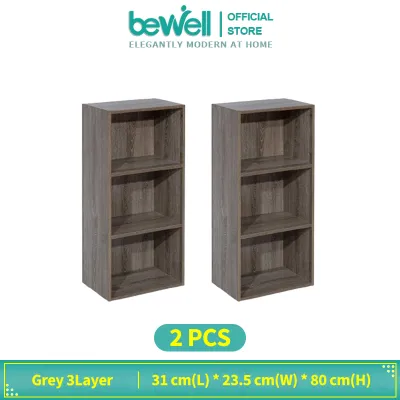
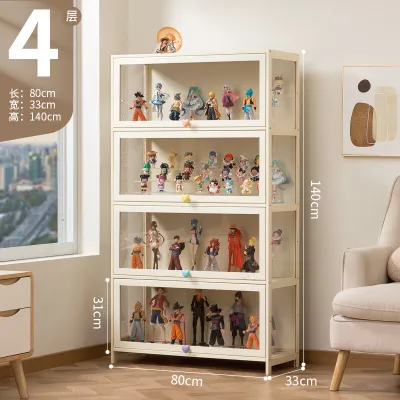
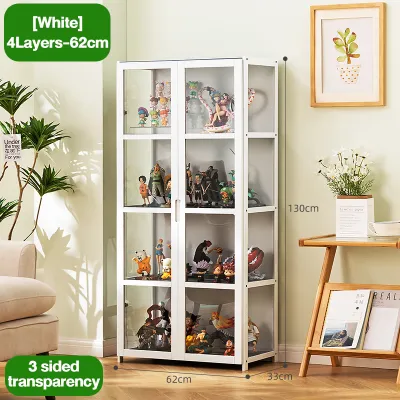
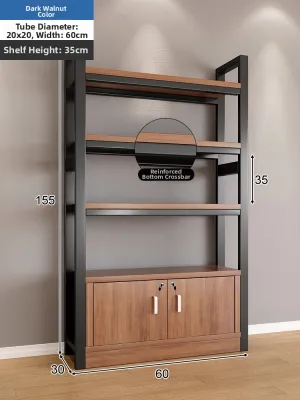
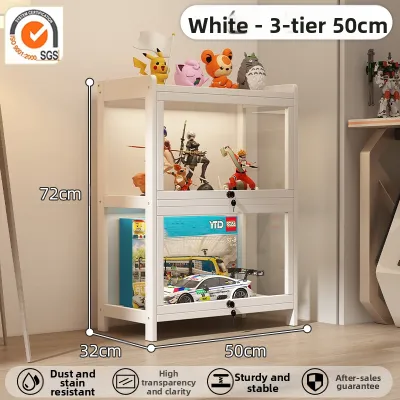
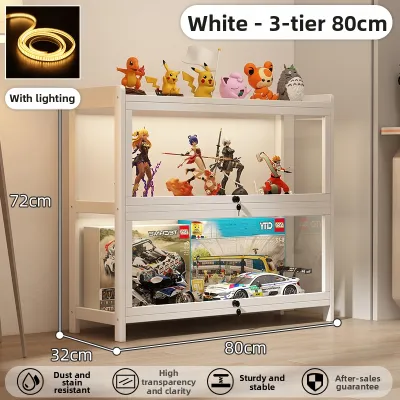
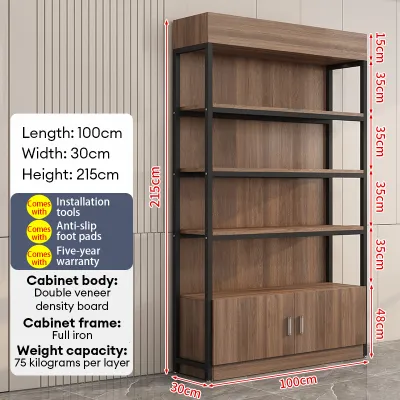
Prices are valid at publication and may change. Please refer to the product page for the latest price.
Ceiling height is another critical dimension, especially if you are considering tall, vertical units that maximize storage in smaller rooms. Measure the distance from the floor to the ceiling, and subtract a few centimeters to allow for assembly clearance and proper air circulation at the top. If you select a cabinet with drawers or pull-out shelves, map out their extended depth to prevent tight bottlenecks in your daily walking paths.
Next, categorize the items you plan to store to determine the ratio of open to closed storage you require. Group your belongings into daily work essentials, reference books, decorative display pieces, and sensitive documents that need protection. This inventory will guide you toward a configuration that keeps your most-used tools within arm’s reach while tucking away clutter.
Finally, consider how the placement of the cabinet affects the natural light and ventilation in your home office. Positioning a bulky, solid cabinet too close to a window can block refreshing breezes and dim the room, forcing you to rely more on artificial lighting. Aim to place larger units against interior walls where they can anchor the room visually without obstructing natural pathways or light sources.
Comparing Shelf Display Cabinet Styles for Study Rooms
Different cabinet configurations offer distinct advantages when it comes to accessibility, dust protection, and visual weight. Choosing the right style involves matching these characteristics to your specific daily tasks and the overall design of your workspace.

Open Bookcases and Open Shelving
Open bookcases and shelving units are excellent for creating an airy, spacious feel in a home office, making them highly suitable for smaller rooms. Because they lack doors and solid side panels, these units allow light to pass through, preventing the workspace from feeling cramped or dark. They provide instant, unobstructed access to reference manuals, binders, and frequently used office supplies.
However, open shelves require a commitment to regular organization and dusting to prevent the workspace from looking cluttered and unprofessional. In humid environments, exposed paper can absorb moisture from the air, which may lead to warping or musty odors over time. To keep open shelving functional and safe, always check the manufacturer’s guidelines for load distribution, ensuring heavier items are placed toward the supports rather than the center of long, open spans.
Glass-Door Display Cabinets
Glass-door display cabinets offer a sophisticated solution for professionals who want to showcase awards, collectibles, or reference libraries while keeping them clean. The glass panels act as a protective barrier against dust, humidity, and accidental spills, which is particularly beneficial for preserving valuable books or delicate decorative items. This style maintains visual openness while keeping your belongings securely enclosed.
When selecting a glass-door cabinet, pay close attention to the swing radius of the doors to ensure they do not collide with your desk or chair. Look for units that feature tempered glass safety labels, which indicate the glass is designed to resist impacts and break safely if an accident occurs. If your study room lacks abundant natural light, consider cabinets with built-in interior lighting channels to illuminate your display items without creating harsh shadows.
Modular and Wall-Mounted Units
Modular and wall-mounted shelving systems provide exceptional flexibility, allowing you to customize your storage layout as your professional needs change. These units can be configured to wrap around corners, frame your desk, or utilize high wall space that would otherwise go unused. This adaptability makes them a smart choice for multi-purpose rooms or compact home offices.
Before installing wall-mounted shelves, it is crucial to verify your wall type and locate the structural studs to ensure secure mounting. Standard drywall or plaster walls require specialized heavy-duty anchors, whereas solid concrete or brick walls demand appropriate masonry screws and drills. Choosing modular systems also gives you the freedom to add extra shelves, drawers, or cabinet modules in the future without needing to replace the entire unit.
Evaluating Materials, Build Quality, and Safety
To ensure your shelf display cabinet remains stable and safe under the weight of heavy books and equipment, you must look beyond surface aesthetics. Inspecting the physical construction details will help you identify a durable piece of furniture that can withstand daily use.
Start by examining the joints, edge banding, and surface finishes rather than relying solely on generic material names. High-quality cabinets feature reinforced joints, such as dowels, screws, or metal brackets, rather than simple glue or staples. Check that the edge banding is smooth and firmly adhered to the panels, as loose edges can catch on clothing and allow moisture to penetrate the inner core of the shelving.
Always verify the manufacturer’s specified weight capacity per shelf, as well as the total weight limit for the entire unit. Exceeding these limits can cause shelves to sag permanently or, in worse cases, lead to structural failure. If you plan to store heavy legal binders, technical manuals, or printer paper, prioritize cabinets with thick, reinforced shelves and short horizontal spans that resist bending.
Review the care instructions provided by the manufacturer to ensure the cabinet’s finish can handle your local climate. In areas with high humidity, finishes that resist moisture absorption are essential for preventing swelling, warping, or mold growth. Additionally, look for cabinets that include an anti-tip kit, and follow the instructions to anchor the unit securely to the wall, preventing accidental tipping if the cabinet is unevenly loaded.
Configuring and Styling Your Display Cabinet for Daily Use
Once your cabinet is assembled and secured, organizing it thoughtfully will help maintain a balanced, productive, and visually pleasing home office environment. A well-styled cabinet reduces visual noise, allowing you to focus more easily on your daily tasks.
Apply the rule of visual balance by mixing the orientation of your books and display items across different shelves. Place some books vertically in neat rows, stack others horizontally to act as bookends, and leave open spaces for decorative objects, plants, or framed certificates. This varied arrangement prevents the cabinet from looking like a dense, heavy block of paper and keeps the room feeling dynamic.
If you plan to place electronic devices, desk lamps, or charging stations on your shelves, plan your cable management routes early. Look for cabinets with pre-drilled cable grommets, or position your shelves slightly away from the wall to allow cords to pass down to the nearest outlet. Keeping power strips and cables tucked neatly out of sight prevents clutter and reduces safety hazards around your desk.
Finally, establish a simple cleaning and rotation routine to keep your display looking fresh and dust-free. For open shelving, a quick weekly dusting prevents buildup, while enclosed glass cabinets may only require a monthly wipe-down. Periodically rotating your display items and archiving old files keeps your workspace aligned with your current projects and goals.
Frequently Asked Questions (FAQ)
How do I determine the safe weight limit for my shelves?
To find the safe weight limit for your cabinet, always refer to the product manual, manufacturer labels, or official specification sheets provided with the furniture. Do not assume that all shelves can support the same amount of weight, as adjustable shelves often have different load capacities than fixed structural shelves. For maximum stability, distribute the weight evenly across each shelf, and place your heaviest reference books, files, or equipment on the lowest shelves of the cabinet.
Is it necessary to anchor a display cabinet in a home office?
Yes, anchoring your display cabinet to the wall is highly recommended to ensure a safe working environment. Tall shelves and display units can easily become top-heavy when loaded with books, and opening multiple drawers or doors can shift the center of gravity forward, risking a dangerous tip-over. Always use the anti-tip hardware supplied by the manufacturer, follow the specific anchoring instructions for your wall type, and consult a professional installer if you are unsure about drilling into your walls.

Community discussion
Share your experience or ask a question. Comments are reviewed before publication.