
To choose the right shoe cabinet with cover for a small bedroom closet, you must match the cabinet’s external depth and width to your closet’s available floor footprint while leaving at least 5 to 10 centimeters of clearance for doors to operate. A covered design is crucial in tropical climates like the Philippines to protect footwear from dust and high humidity while keeping the bedroom looking tidy. By balancing physical footprint, door clearance, ventilation, and storage capacity, you can maximize every square centimeter of your closet without creating a cramped, inaccessible environment.
Quick Guide to Sizing a Shoe Cabinet for Small Closets
When dealing with limited closet space, your primary goal is to find a cabinet that stores your footwear collection without obstructing your daily routine. The ideal shoe cabinet with cover should sit comfortably within your closet’s footprint, leaving enough room for you to stand, reach your hanging clothes, and open other drawers.
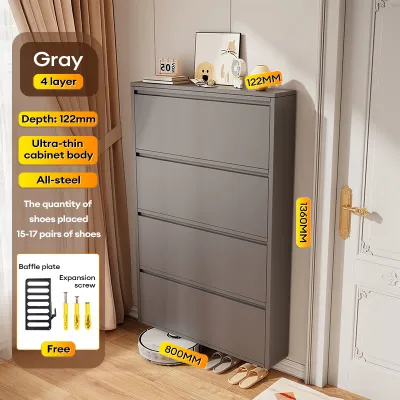
For very narrow closets, slim-profile cabinets with tilting compartments are highly efficient. These units typically have a depth of only 15 to 20 centimeters because shoes are stored vertically rather than flat. If your closet has more depth to spare, a traditional flat-shelf cabinet with a depth of 30 to 35 centimeters will allow you to store shoes horizontally, accommodating larger shoe sizes and bulkier designs.
Products mentioned in this guide
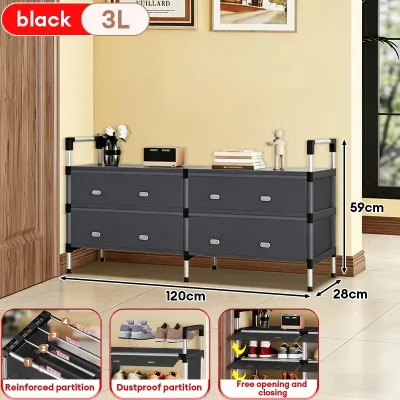
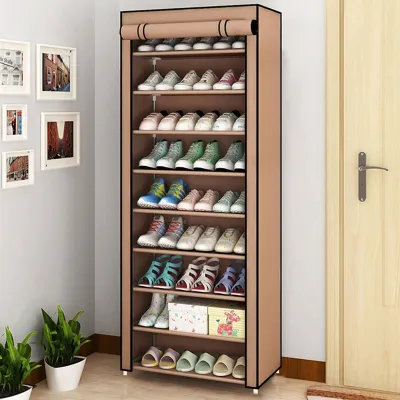
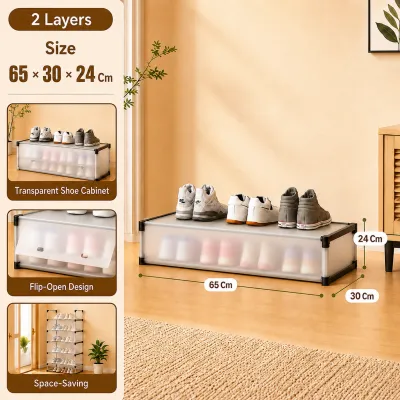
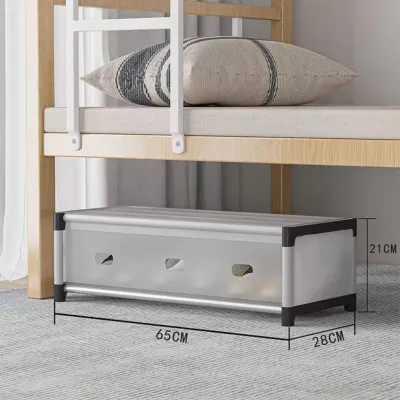
Prices are valid at publication and may change. Please refer to the product page for the latest price.
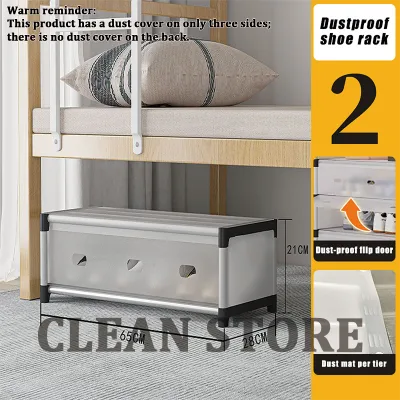
Choosing a covered model is essential for maintaining a clean, organized aesthetic inside a bedroom closet. Covers prevent dust from settling on your shoes and keep unsightly footwear out of sight. However, you must weigh the benefit of maximum storage capacity against the physical space the cabinet occupies. A cabinet that is too large will make your closet feel cramped and difficult to navigate, while one that is too small will leave your extra shoes scattered on the floor.
How to Measure Your Closet Space Accurately
Before browsing online marketplaces or visiting local furniture showrooms, you must take precise measurements of your closet interior. Accurate measurements prevent the frustration of purchasing a cabinet that is even a few millimeters too wide or deep to fit.

Start by measuring the available floor width and depth of the closet space where you plan to place the cabinet. Use a metal measuring tape to measure at multiple points, as walls and built-in closets are not always perfectly square. Next, measure the vertical clearance from the floor to the lowest hanging clothes or the bottom of any permanent overhead shelves. This ensures your cabinet will not interfere with your hanging garments.
Do not forget to account for hidden obstacles that can affect the fit. Baseboards along the bottom of the wall can prevent a shoe cabinet from sitting completely flush, which might steal a centimeter or two of valuable depth. You must also consider the swing clearance of both your closet doors and the shoe cabinet’s doors. If you have sliding closet doors, ensure the cabinet does not block the tracks or prevent the doors from opening fully.
Finally, plan the delivery and assembly route. Measure the width of your bedroom door, narrow hallways, and any staircases the cabinet must pass through. If you choose a pre-assembled wooden cabinet, it must be able to clear these tight spaces. For flat-pack furniture, ensure you have enough open floor space inside the bedroom to safely assemble the unit before moving it into the closet.
Estimating Your Shoe Storage Capacity Requirements
To choose the right cabinet size, you need a clear understanding of your current footwear collection and how much of it actually needs to go into the closet. Start by gathering all the shoes you plan to store and categorizing them by type.
Different footwear types require varying vertical and horizontal space. Flat sandals, slippers, and thin canvas shoes take up minimal vertical space and can often be stacked. On the other hand, high-top sneakers, leather dress shoes, and heels require more height. If possible, look for a shoe cabinet with cover that features adjustable or removable shelves. This flexibility allows you to customize the interior layout to match your specific mix of footwear.
To estimate how many pairs will fit on a single shelf, measure the width of your widest pair of shoes. On average, a pair of men’s shoes requires about 22 to 25 centimeters of horizontal space, while women’s shoes require about 20 centimeters. Divide the internal width of the cabinet shelf by these measurements to get a realistic estimate of capacity. For instance, a shelf with an internal width of 60 centimeters can comfortably hold about two to three pairs of adult shoes.
In a small bedroom closet, you may need to prioritize which shoes get prime real estate. Keep your frequently worn daily shoes in the cabinet, and consider storing seasonal footwear, formal shoes, or bulky boots in under-bed storage boxes or high closet shelves to save space.
Choosing the Right Dimensions and Covered Design Features
Once you have your measurements and capacity estimates, you can focus on selecting the specific dimensions and functional features of your shoe cabinet with cover. The design of the cover is just as important as the physical dimensions when it comes to space efficiency.
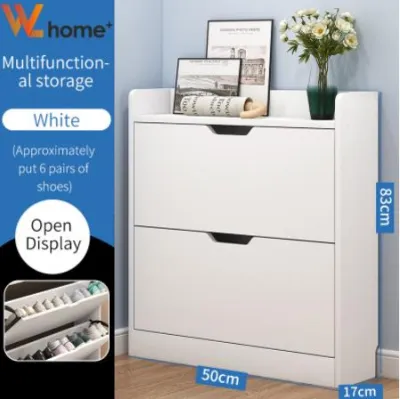
For tight walkways, a cabinet with tilting or flip-down doors is often the best choice. These cabinets are incredibly slim, often measuring under 20 centimeters in depth, because the shoes slide into pockets that tilt outward when opened. This design minimizes the projection into your closet’s walking space, making it ideal for narrow reach-in closets.
If you prefer a traditional cabinet with flat shelves, consider the door mechanism carefully. Standard hinged doors require significant clearance to swing open, which can block your movement in a small closet. Sliding doors or panels are a much better alternative for tight spaces, as they glide sideways within the cabinet’s frame. Another budget-friendly and space-saving option is a fabric shoe wardrobe with a zippered roll-up cover, which requires zero clearance to open.
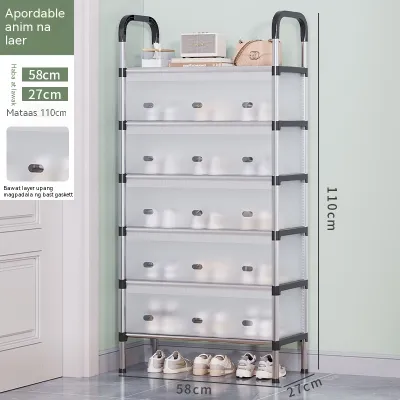
In the humid Philippine climate, ventilation is critical to prevent mold growth and musty odors. Avoid completely airtight plastic or solid wood cabinets unless they feature built-in ventilation. Look for cabinets with louvers, mesh panels, or open ventilation holes at the back to allow continuous airflow. This helps keep your shoes dry and prevents moisture from being trapped inside the dark closet environment.
Pre-Purchase Clearance and Safety Checks
Before finalizing your purchase, there are several safety and practical checks you must perform to ensure the cabinet is stable and safe to use in your home.
First, check if the cabinet requires assembly inside the closet or if it can be built outside and carried in. Some heavy wooden cabinets are difficult to maneuver once assembled, so building them directly in their final spot inside the closet might be necessary.
Stability is a major safety concern, especially for tall, slim shoe cabinets. When fully loaded with shoes, these units can become top-heavy and prone to tipping over when a drawer or door is pulled open. Check if the cabinet comes with wall-anchoring hardware. Anchoring the cabinet to the wall is highly recommended, particularly if you have children or pets in the home, or if your closet floor is slightly uneven.
Additionally, ensure the cabinet’s placement does not block any essential household features. It should never obstruct emergency exit paths, light switches, electrical outlets, or air conditioning vents. If your closet has an active ventilation grate or a dehumidifier drain, keep the cabinet clear of these areas to maintain proper airflow throughout the bedroom.
Frequently Asked Questions (FAQ)
Can I use a shoe cabinet with cover inside a walk-in closet?
Yes, a covered shoe cabinet works well in a walk-in closet, but you must ensure there is enough space to walk around it. Maintain a clear path of at least 60 to 90 centimeters in front of the cabinet so you can easily access your shoes and move through the space. Because walk-in closets are often enclosed and lack windows, ventilation is even more critical. Choose a cabinet with breathable slatted doors or mesh covers, and consider using moisture-absorbing sachets or a small dehumidifier in the closet to prevent mold growth on your footwear.
What if my closet floor is uneven or carpeted?
An uneven floor can cause a shoe cabinet to wobble, which compromises its stability and can make the doors difficult to align or close properly. If your closet floor is uneven or carpeted, look for a shoe cabinet with adjustable leveling feet. These feet can be screwed in or out to compensate for dips in the floor. If the cabinet does not have adjustable feet, you can use solid wood shims or leveling pads underneath the base to stabilize it. Always follow the manufacturer’s guidelines regarding placement on carpeted surfaces, and ensure the cabinet is securely anchored to the wall to prevent tipping.

Community discussion
Share your experience or ask a question. Comments are reviewed before publication.