
Finding the right aluminum folding table for a small balcony in the Philippines requires balancing functional surface area with safe clearance. In typical high-rise condominiums or compact townhouses across metropolitan areas, balcony depths often range from 90 to 120 centimeters. To maintain comfortable movement, a table with a depth of 40 to 60 centimeters and a width of 60 to 80 centimeters is generally the most practical choice. This size provides enough space for a laptop, a plate, or a couple of drinks while leaving sufficient room to move around safely.
Choosing the correct dimensions involves more than just matching the tabletop to your floor space. Because local balconies are exposed to intense tropical sun, high humidity, and sudden heavy downpours, the physical footprint must be paired with easy storage and weather-resistant features. Selecting a folding design allows you to reclaim valuable outdoor space when the table is not in use, making your balcony a versatile extension of your living room.
Measure Your Balcony Space and Clearance
Before browsing online marketplaces or visiting local furniture showrooms, you must establish the exact physical boundaries of your balcony. Use a metal measuring tape to record the total length and width of the usable floor area. Be sure to measure from the inside of the walls or railings, and subtract the space occupied by permanent fixtures such as built-in planters, structural pillars, or drainage grates. This gives you the true net floor area available for your outdoor setup.
Products mentioned in this guide
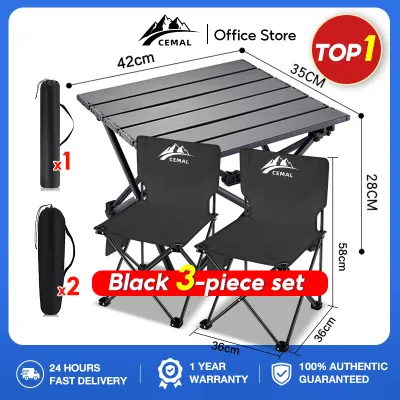
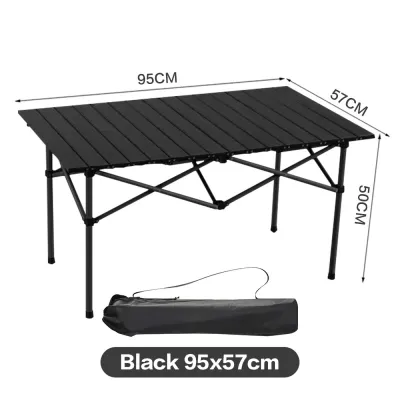
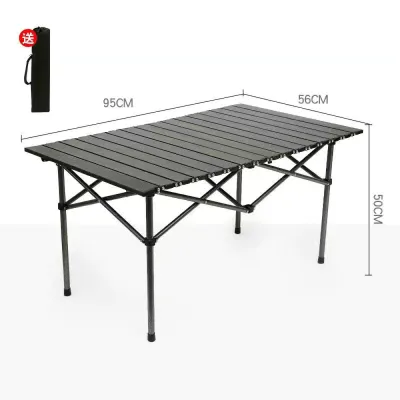
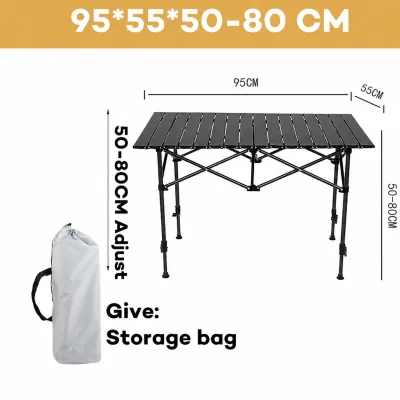
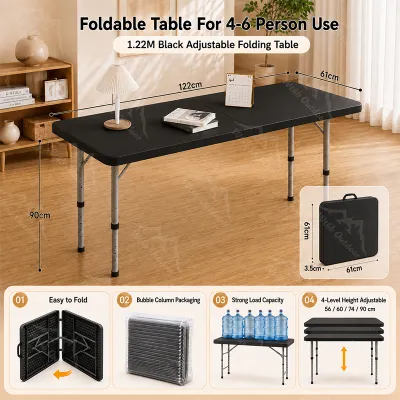
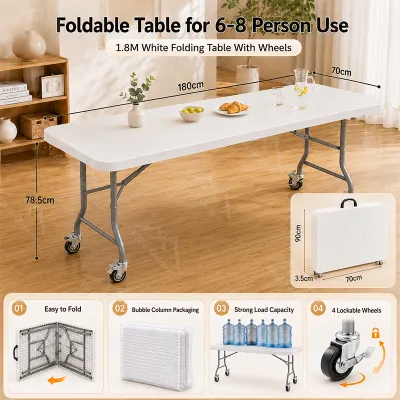
Prices are valid at publication and may change. Please refer to the product page for the latest price.
Next, map out the clearance zones required for daily activities and safety. If your balcony is accessed via a swing door, measure the arc of the door path and mark this area as off-limits for any furniture placement. You also need to maintain a clear walkway of at least 60 centimeters to navigate the space comfortably. If you already have outdoor chairs, plants, or laundry drying racks, factor their footprints into your layout to avoid a cramped and unusable balcony.
Railing height and structural design also play a critical role in table selection. If you are considering a railing-mounted folding table, measure the thickness and height of your balcony railing to ensure compatibility with the mounting brackets. For edge-placed tables, check if the railing has an overhang or decorative elements that might prevent the table from sitting flush against the perimeter. Ensuring a snug fit prevents unnecessary gaps where items could easily fall to the ground below.
Finally, consider how you will transport the table to your balcony. Measure your doorways, hallways, and even the building’s elevator cabin to ensure the packaged or fully assembled table can be delivered without obstruction. Many high-rise developments in the Philippines have strict rules regarding furniture transport, so verifying these dimensions beforehand prevents delivery day headaches.
Match Table Dimensions to Your Balcony Use Case
The ideal size of your aluminum folding table depends heavily on how you plan to use your balcony bar or lounge corner. If your primary goal is to enjoy a morning cup of coffee or a quick solo meal, a compact square or round table measuring 60 centimeters across is highly efficient. This size easily accommodates a plate, a mug, and a mobile device without overwhelming a narrow balcony layout.

For those who intend to use the balcony as an outdoor workspace or a dining spot for two, a rectangular table measuring approximately 80 centimeters in width and 50 to 60 centimeters in depth is more appropriate. This shape provides a wider surface area that allows two chairs to sit side-by-side or opposite each other, depending on the balcony’s depth. Rectangular tables align neatly against walls or railings, which helps maximize the remaining floor space for movement.
Table height is another crucial factor that affects both comfort and spatial harmony. Standard dining height tables, which typically stand around 75 centimeters tall, pair best with standard outdoor chairs and offer an ergonomic setup for working or dining. If you prefer a casual lounge vibe, a lower coffee-table height of 45 to 50 centimeters works beautifully with low-profile chairs or outdoor floor cushions. Alternatively, a bar-height table of 100 to 105 centimeters paired with bar stools can elevate your view over the balcony railing, though you must ensure the stools can be tucked completely underneath the table when folded or stored.
Evaluate Folding Mechanisms and Storage Footprint
Because space is at a premium on a small balcony, the folding mechanism of your aluminum table determines how easily you can transition the area from a dining spot to a laundry drying zone or an open-air garden. Center-fold tables are highly portable and fold in half like a suitcase, making them easy to carry and store in a closet or behind a sofa. However, they often have a seam down the middle of the tabletop, which requires checking for alignment and stability when fully opened.
Drop-leaf and wall-mounted folding tables offer excellent space-saving alternatives for narrow balconies. A wall-mounted design attaches directly to the masonry or concrete wall, allowing you to fold the tabletop completely flat against the wall when not in use. Before choosing this option, verify the structural integrity of your balcony wall and check your condominium association’s guidelines regarding drilling into exterior walls. Drop-leaf tables feature hinged sections that fold down, allowing you to adjust the table size dynamically based on your immediate needs.
When evaluating any folding table, pay close attention to its folded thickness and overall weight. A lightweight aluminum frame is easy to lift and carry, but it must have sufficient weight or anchoring options to prevent it from tipping over during strong winds. Check the manufacturer’s specifications for the folded depth; a table that folds down to a thickness of 5 to 10 centimeters can easily slide into narrow gaps between appliances or furniture inside your home.
Safety and stability should never be compromised for portability. Inspect the locking mechanisms, hinges, and leg braces to ensure they lock securely into place when the table is deployed. A reliable locking system prevents accidental collapsing if the table is bumped or loaded with heavy items. Look for tables with non-slip rubber feet, which protect your balcony tiles from scratches and provide extra grip on wet surfaces.
Verify Outdoor Suitability and Care Requirements
While aluminum is naturally resistant to rust compared to ferrous metals, not all aluminum folding tables are built to withstand the harsh tropical climate of the Philippines. Exposure to intense sunlight, high humidity, and salty coastal air can degrade low-quality materials over time. When shopping, look for manufacturer specifications that explicitly mention powder-coated finishes or UV-resistant protective coatings, which help prevent fading, chalking, and surface corrosion.
Do not rely solely on the material name as a guarantee of durability. Inspect the hardware, including screws, rivets, hinges, and brackets, as these are often made of steel or other metals that can rust if not properly treated. Check the product label or user manual to verify that the hardware is made of stainless steel or has been treated with a rust-resistant coating. If the manufacturer does not specify this, you may need to apply a protective silicone spray or rust inhibitor to the joints periodically.
Weight capacity is another critical specification to verify on the product label. Ensure the table’s rated load capacity matches your intended use, whether that involves supporting a heavy laptop, multiple serving dishes, or potted balcony plants. Avoid overloading the table beyond the manufacturer’s recommended limit, as this can strain the folding joints and lead to structural failure.
Proper care and maintenance will significantly extend the lifespan of your outdoor furniture. Review the manufacturer’s cleaning instructions, which typically recommend wiping the aluminum surface with a soft cloth, mild soap, and warm water. Avoid abrasive cleaners or steel wool, which can scratch the protective powder coating. During extreme weather events, such as typhoons or heavy monsoon rains, it is best to fold the table and store it indoors or in a sheltered area to protect it from wind damage and prolonged water exposure.
Common Sizing and Placement Mistakes to Avoid
One of the most common mistakes when furnishing a small balcony is failing to account for the space required to pull out chairs and sit down comfortably. A table might fit perfectly within the physical dimensions of the balcony, but if there is no room to slide a chair back without hitting the wall or railing, the setup becomes unusable. Always allow at least 50 to 60 centimeters of clearance behind each chair for easy access.
Another frequent error is placing the table in a location that obstructs essential pathways or home utilities. Avoid blocking the swing path of doors, emergency escape routes, or access to utility closets. Additionally, keep the table away from the direct exhaust of air conditioning condenser units, as the continuous blast of hot air makes sitting nearby uncomfortable and can accelerate the wear on the table’s finish.
Finally, do not assume that all aluminum tables are completely maintenance-free. Even high-quality powder-coated aluminum can suffer from water spots, dust accumulation, and minor surface oxidation if left neglected in humid environments. Regularly inspect the folding joints for signs of stiffness or wear, and clean the table after heavy rain to prevent mineral deposits from etching into the finish.
Frequently Asked Questions (FAQ)
Can I use a standard indoor folding table on my balcony?
Using a standard indoor folding table on an outdoor balcony is not recommended due to the lack of weather-resistant finishes. Indoor tables are typically constructed with materials like engineered wood, particleboard, or untreated steel frames, which quickly warp, swell, or rust when exposed to humidity and rain. Even a brief exposure to the tropical sun can cause indoor laminates to peel and colors to fade. To ensure safety and longevity, always choose a table specifically rated for outdoor use with a powder-coated aluminum frame and weather-resistant tabletop materials.
How much space should I leave between the table and the balcony railing?
You should leave a minimum clearance of 60 centimeters between your table and the balcony railing to allow for safe movement and comfortable seating. This clearance ensures that you can pull out chairs, stand up, and walk around the table without pressing against the railing, which is a vital safety consideration in high-rise buildings. Additionally, before purchasing or installing any table—especially wall-mounted or railing-hanging designs—always check your condominium administration’s house rules or local building codes. Many properties have strict regulations regarding items placed near or attached to railings to prevent falling hazards during strong winds.

Community discussion
Share your experience or ask a question. Comments are reviewed before publication.