
Selecting the right plastic cabinet for your clothes requires balancing your available room footprint with your actual storage habits. To find the ideal fit, you must measure your physical space, calculate the volume of your wardrobe, and match these needs to a cabinet configuration that offers the right mix of drawers, shelves, and hanging rods. Because plastic furniture is lightweight and sensitive to environmental factors like tropical humidity and heat, checking structural stability and manufacturer load limits is essential for a safe, long-lasting setup.
Measure Your Room Space and Required Clearances
Before browsing designs, you need to establish the physical boundaries of your room. Use a tape measure to record the exact width, depth, and height of the floor area where you plan to position the cabinet. Remember to measure from the baseboards rather than the bare walls, as these small protrusions can prevent a cabinet from sitting flush against the wall. In tropical climates where ceiling fans are common, ensure you also measure the vertical clearance to avoid any interference with rotating blades or light fixtures.
A common mistake is measuring only the static footprint of the cabinet. You must also account for the dynamic space required during daily use, including the full swing radius of cabinet doors and the complete extension depth of drawers. Leave at least 60 to 90 centimeters of open space in front of the unit to allow you to stand, open the doors, and pull out drawers comfortably without blocking walkways.
Products mentioned in this guide
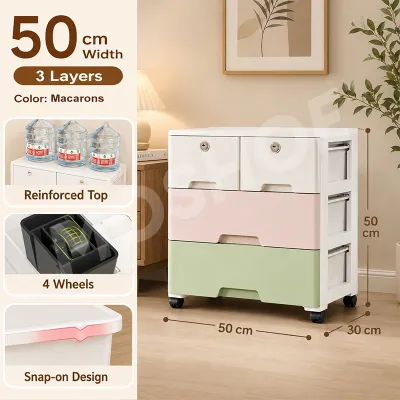
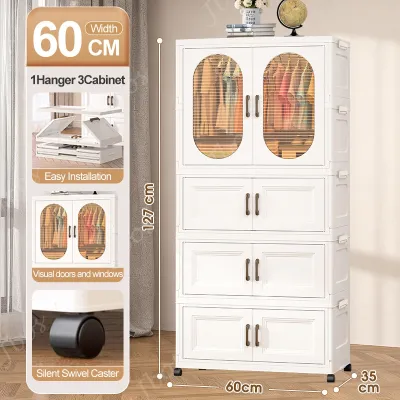
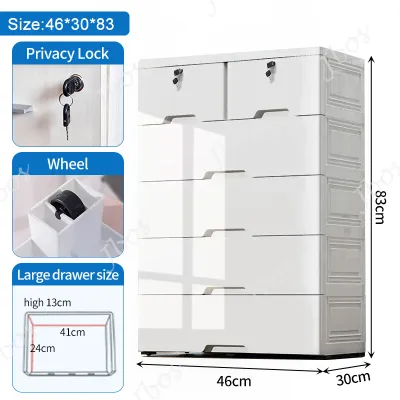
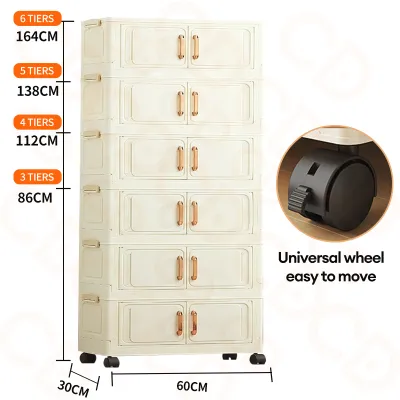
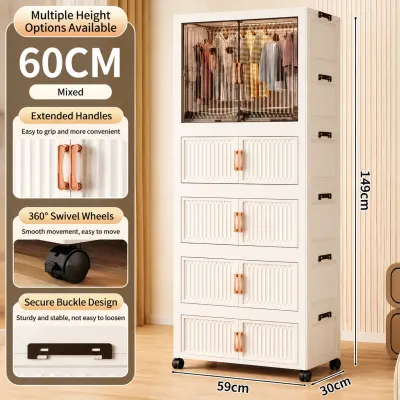
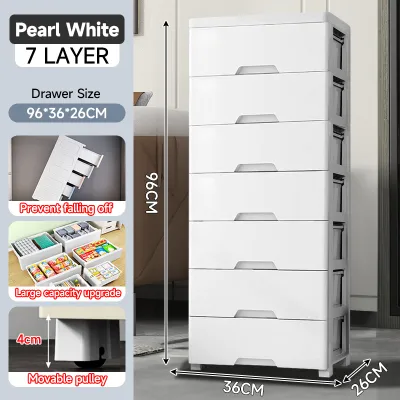
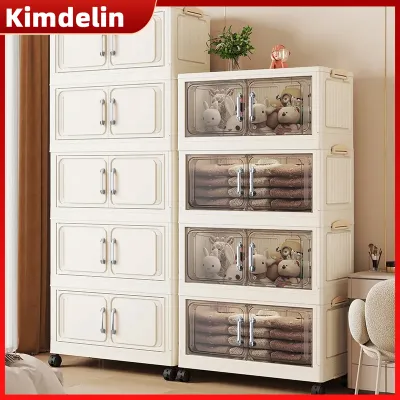
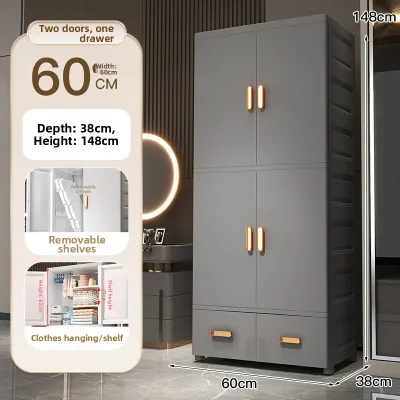
Prices are valid at publication and may change. Please refer to the product page for the latest price.
Finally, map out the delivery and assembly path. Measure the width and height of your front door, hallway corners, stairwells, and elevator doors to ensure the packaged box or pre-assembled frame can safely reach its destination. Even lightweight plastic panels can be bulky in their shipping boxes, making pre-delivery clearance checks a necessity.
Calculate Your Clothing Volume and Storage Needs
Your storage habits dictate the internal configuration of your wardrobe. Begin by sorting your clothes into distinct categories: items that must hang to prevent wrinkles, garments that can be folded into neat stacks, and smaller accessories like undergarments or socks. This inventory gives you a clear picture of whether you need more hanging space or a high concentration of drawers.

If your wardrobe consists mostly of casual wear, t-shirts, and folded shorts, a multi-tier drawer system or a series of wide shelves will serve you best. For formal wear, uniforms, or long dresses, look for configurations that feature a dedicated hanging rod. Keep in mind that plastic hanging rods have specific weight limits, so you will need to verify the manufacturer’s guidelines if you plan to hang heavier items.
Do not forget to plan for seasonal changes and future purchases. In regions with distinct wet and dry seasons, you may need extra space to store heavier blankets or rain gear during certain months. Choosing a cabinet with slightly more capacity than your current inventory ensures you will not quickly outgrow your new furniture.
Additionally, consider how you will store smaller accessories. Items like belts, hats, and undergarments can easily become cluttered on open shelves. Allocating specific smaller drawers or using fabric bins that fit within the plastic compartments can help keep these items organized and easily accessible.
Select the Right Dimensions and Internal Layout
Matching your room’s layout to the cabinet’s shape is key to maximizing space efficiency. For compact bedrooms or tight corners, a narrow, tall multi-tier cabinet utilizes vertical space without consuming valuable floor area. Conversely, if you are placing the unit under a sloped ceiling, a low window sill, or in a room with low clearance, a wider, low-profile cabinet provides ample storage while keeping the room feeling open.
When evaluating internal layouts, look for modularity that matches your daily routine. Multi-tier drawers are excellent for organizing smaller items and keeping dust away, while adjustable shelves offer the flexibility to accommodate bulky items like folded bedding or thick sweaters. If you require a hanging section, verify that the vertical clearance beneath the rod is sufficient for your longest garments so they do not bunch up at the bottom.
Be aware that the external dimensions of a plastic cabinet do not always equal the usable interior space. Plastic furniture often utilizes thick double-walled panels and internal structural ribs to maintain rigidity and support weight. Always check the manufacturer’s specified internal dimensions rather than relying solely on external measurements to ensure your storage boxes and clothes will actually fit inside.
Furthermore, consider the assembly type of the cabinet. Some plastic wardrobes feature a modular snap-together design that allows you to customize the shelf heights and compartment layouts during assembly. Others come as pre-molded drawer units that offer less flexibility but provide superior dust protection and simpler setup. Choose the style that best aligns with your organizational preferences.
Check Structural Stability and Environmental Limits
Because plastic is lighter than wood or metal, verifying its structural integrity is critical before making a purchase. Always check the manufacturer’s product label or instruction manual for the maximum load capacity of each individual shelf and the overall weight limit of the entire unit. Exceeding these limits can cause the plastic to sag, warp, or crack over time.
Stability is especially important for tall, multi-tier configurations. Look for models that feature reinforced joints, a wide and stable base design, and built-in anti-tip hardware. If you live in an area prone to seismic activity or have a busy household, securing the cabinet to the wall is a vital safety measure to prevent accidental tipping.
Environmental conditions also play a major role in the lifespan of plastic furniture. High temperatures and direct sunlight can cause certain types of plastic to become brittle, fade, or warp. Review the manufacturer’s care instructions to ensure the cabinet is placed away from large windows that receive intense afternoon sun, and avoid positioning it near heat-generating appliances.
Additionally, inspect the quality of the plastic itself. High-quality polypropylene is commonly used for durable home storage because of its resistance to impact and moisture. Checking the product specifications for UV-resistant coatings or reinforced frames can give you a better idea of how well the cabinet will withstand daily wear and tear in your specific home environment.
Avoid Common Sizing and Placement Mistakes
One of the most frequent errors when setting up a plastic wardrobe is failing to account for the fully extended depth of drawers and doors. A cabinet might fit perfectly against a wall when closed, but once you try to pull out a drawer, it may strike a bed frame or block a doorway. Always test these clearances in your room layout before finalizing the placement of your furniture.
Another common mistake is overloading shelves with heavy items like stacks of books, heavy bags, or dense winter coats. Unlike wood, which may bend slowly, overloaded plastic can fail suddenly, leading to collapsed shelves and damaged belongings. Distribute weight evenly and stick strictly to the rated capacities specified by the manufacturer.
Lastly, do not ignore the effects of room humidity and ventilation. Plastic is a non-breathable material, meaning it can trap moisture inside if the air is humid and stagnant. To protect your garments from musty odors or mildew, avoid placing the cabinet flush against damp walls, leave a small gap for airflow behind the unit, and consider using moisture-absorbing sachets inside the drawers.
Additionally, avoid dragging the cabinet when it is fully loaded with clothes. Dragging can stress the plastic joints and cause the base or legs to crack. Always empty the cabinet entirely before moving it to a new location to preserve its structural integrity.
Frequently Asked Questions (FAQ)
Can a plastic cabinet support heavy winter clothes or denim?
The ability of a plastic cabinet to support heavy garments like denim or thick jackets depends entirely on the manufacturer’s specific design and shelf reinforcement. Before purchasing, check the product label or user manual for the exact weight limit designated for each tier. To prevent the shelves from bowing or cracking, distribute your heaviest items across the bottom shelves and reserve the upper levels for lighter clothing.
How do I prevent a tall plastic wardrobe from tipping over?
To secure a tall plastic wardrobe, always install the anti-tip wall anchors or safety straps provided by the manufacturer, which is especially critical in homes with children or pets. Additionally, place your heaviest items on the bottom shelves to lower the cabinet’s center of gravity and improve overall stability. Always ensure the cabinet sits on a perfectly level floor, and adjust any built-in leveling feet to eliminate wobbling.

Community discussion
Share your experience or ask a question. Comments are reviewed before publication.