
Finding the right wooden coffee table for a compact living room is a balancing act between daily utility and physical movement. In smaller homes, such as modern urban condominiums or apartments, floor space is at a premium, making bulky furniture a major obstacle to daily comfort. The ideal wooden coffee table should serve your needs for holding drinks, books, or decor without turning your living area into an obstacle course. By selecting a design that respects the proportions of your seating and leaves clear pathways, you can maintain an airy, welcoming atmosphere.
To achieve this balance, the table’s dimensions must relate directly to your sofa and the surrounding walls. A wooden coffee table that is too large will make the room feel cramped and restrict legroom, while one that is too small will look lost and prove inconvenient to reach. Focusing on specific measurements, shape dynamics, and visual weight allows you to maximize your floor plan while enjoying the natural warmth and character that wood brings to an interior.
Measure Your Available Space and Sofa Proportions
Before browsing online catalogs or visiting local furniture showrooms, you must gather precise measurements of your existing setup. Start by measuring the total length of your sofa and the height of its seat cushions from the floor. As a general rule of thumb, your coffee table should measure between one-half and two-thirds of the total length of your sofa. This proportion ensures that everyone seated has easy access to the tabletop without the furniture piece dominating the entire seating arrangement.
Products mentioned in this guide
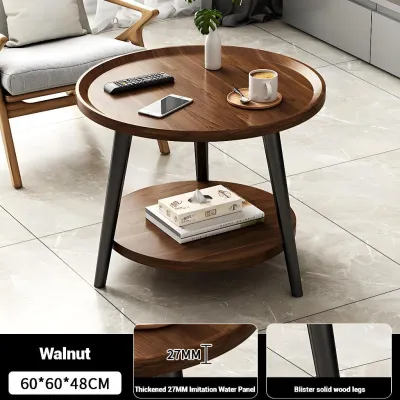
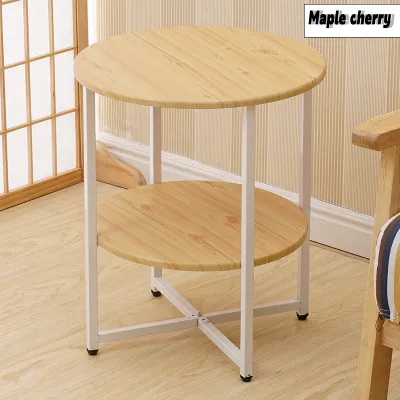
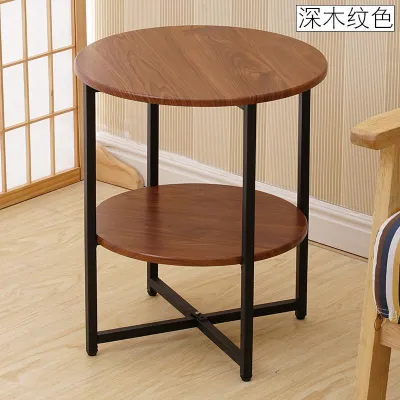
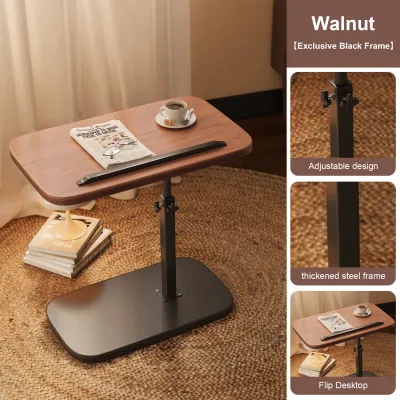
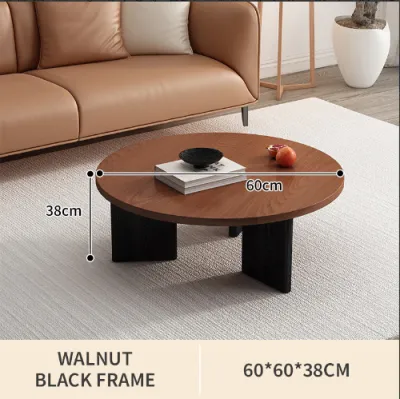
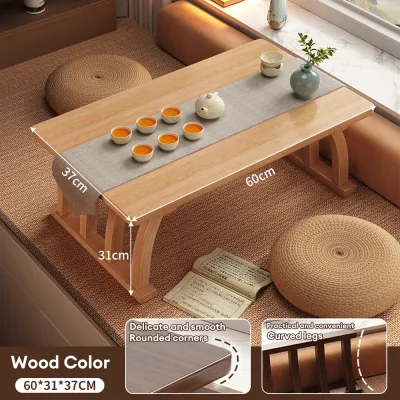
Prices are valid at publication and may change. Please refer to the product page for the latest price.
Next, map out the clear floor area in front of the sofa. To maintain comfortable legroom and allow people to sit down or stand up easily, aim for a clearance of 30 to 45 centimeters between the edge of the sofa seat and the edge of the coffee table. Additionally, ensure there is a walking path of at least 60 to 75 centimeters between the table and other major furniture pieces, such as a television console or armchair. This spacing prevents traffic jams in high-use areas of your home. Whether you are budgeting ₱3,000 or ₱15,000 for your living room furniture, measuring your space first prevents costly return fees and ensures a seamless fit.
Finally, do not overlook the logistics of getting the table into your living room. Measure the width of your entry doors, hallway corners, elevator doors, and stairwells. Many high-rise residential buildings have strict size limits for passenger elevators, and a solid wooden table that cannot be disassembled might present a major delivery challenge. Verifying these dimensions beforehand prevents the frustration of purchasing a beautiful piece of furniture only to find it cannot pass through your front door.
Match Table Shapes to Your Room Layout
The shape of your wooden coffee table plays a critical role in how traffic flows through a compact living room. Round or oval wooden tables are highly recommended for tight seating arrangements or spaces where walkways intersect. Because they lack sharp corners, round tables allow family members and guests to navigate around the seating area without the risk of painful bumps. This organic shape also softens the rigid, linear lines common in small rectangular apartments, creating a more relaxed visual flow.

Rectangular or square wooden tables work exceptionally well when paired with standard three-seater sofas or L-shaped sectionals. A rectangular table mirrors the long line of the sofa, providing a highly functional surface area that is easily reachable from all seats. However, when placing a rectangular or square table in a small room, you must be vigilant about the corners. Ensure that the corners do not protrude into the main pathway leading to other rooms, which could disrupt the natural flow of your home.
For excellent spatial flexibility, nesting tables or modular wooden designs are outstanding solutions for compact living. These sets typically consist of two or three tables of graduating sizes that slide completely underneath one another when not in use. When you are hosting guests or need extra surface area for a casual meal, you can easily pull the smaller tables out to expand your setup. Once your guests leave, tucking them back together instantly reclaims valuable floor space for daily activities.
Balance Table Height and Visual Weight
Achieving physical balance in a small room is only half the battle; you must also manage the visual weight of your furniture. The height of your wooden coffee table should align closely with your seating. Ideally, the tabletop should sit level with or up to 5 centimeters below the top of your sofa’s seat cushions. A table that is too tall disrupts sightlines and feels physically intrusive, while one that is too low can be uncomfortable to reach and awkward to use.
Visual weight refers to how heavy an object appears to the eye. In a small living room, a solid, block-like wooden table that sits flat on the floor can act like a visual anchor, making the entire room feel smaller and more cluttered. Instead, look for wooden tables with slender legs, tapered profiles, or open-frame bases. These designs allow light and air to pass underneath the table, creating an illusion of spaciousness by keeping more of the floor visible.
Lighter wood tones, such as natural oak, ash, or light rubberwood, also help keep a small room feeling bright and open. While dark walnut or mahogany finishes offer a classic, sophisticated look, they can sometimes feel heavy in a confined space. If you prefer darker wood, balance its visual mass by choosing a design with a very thin tabletop profile and delicate metal or wooden legs. Avoid fully enclosed storage box tables unless you absolutely require the hidden storage to manage household clutter.
Assess Wood Finishes and Daily Maintenance
A wooden coffee table in a small home often serves multiple purposes, acting as a dining surface, a workspace, and a footrest. Because of this high-traffic usage, you must carefully evaluate the wood type and surface treatment before making a purchase. Check the manufacturer’s specifications to determine if the table is made of solid hardwood, softwood, or engineered wood with a veneer. Solid hardwoods generally offer greater long-term durability, while high-quality engineered wood can provide excellent stability in changing environmental conditions.
In tropical climates where humidity levels fluctuate, wood is prone to expanding and contracting. Ensure the table has a high-quality protective coating, such as a polyurethane, lacquer, or water-resistant varnish. This protective barrier is crucial for preventing moisture from penetrating the wood fibers. Daily maintenance should include using coasters under cold drinks to prevent condensation from creating permanent white water rings, and using heat-resistant pads under hot plates or mugs.
Before buying, confirm the manufacturer’s recommendations for cleaning and minor repairs. For daily cleaning, a soft, slightly damp microfiber cloth is usually sufficient; avoid harsh chemical cleaners that can strip away the protective finish. If you choose a solid wood table, minor surface scratches or wear can often be gently sanded down and refinished over time. For veneered tables, keep a matching wood touch-up marker on hand to easily conceal small scuffs and maintain a polished look.
Avoid Common Sizing and Placement Mistakes
One of the most frequent mistakes when furnishing a small living room is choosing a coffee table that is too long. A table that spans nearly the entire length of the sofa blocks access to the end seats, forcing people to awkwardly slide past the table to sit down. Keep the table length restricted to a maximum of two-thirds of the sofa length to ensure easy entry and exit from both sides of the seating area.
Another common error is ignoring how the coffee table interacts with your area rug. If your table is too large for the rug, its legs may rest half-on and half-off the rug’s border, causing the table to wobble and look visually disjointed. Ideally, all legs of the coffee table should rest securely on the rug, leaving a balanced border of rug visible around the table’s perimeter.
Finally, do not focus solely on the tabletop surface while ignoring the floor footprint of the legs. Some wooden tables feature splayed or angled legs that extend significantly wider than the tabletop itself. This design can create unexpected tripping hazards in tight spaces and may interfere with the navigation paths of robot vacuums. Always check the maximum footprint dimensions, not just the tabletop dimensions, to ensure a safe and seamless fit in your living room.
Frequently Asked Questions (FAQ)
Does a glass-top wooden table save space in a small room?
A glass-top wooden table does not save physical floor space, as its outer dimensions and leg footprint remain the same. However, it does save visual space. The transparent glass top allows you to see the floor underneath, which reduces the visual clutter in a small room and makes the entire seating area feel more open and airy. If you choose this style, ensure the wooden frame is sturdy and check the glass specifications for tempered safety glass.
How do I protect the wood finish from daily heat and moisture?
To protect your wooden coffee table from heat and moisture, always use coasters for drinks and trivets or placemats for hot items. In humid environments, condensation from cold glasses can quickly damage wood finishes, so absorbent coasters made of cork, felt, or ceramic are highly recommended. Wipe up any spills immediately with a dry, soft cloth to prevent liquid from seeping into the wood grain, and avoid placing the table in direct sunlight to prevent the finish from fading or cracking.

Community discussion
Share your experience or ask a question. Comments are reviewed before publication.