
Choosing the right outdoor bar table with shelves requires balancing storage utility with physical space constraints. To make an informed choice, you must measure your available footprint, calculate clearance zones for seating, and select a material configuration that withstands local weather conditions. By focusing on these practical dimensions, you can create an inviting outdoor entertainment spot that feels open and functional rather than cramped.
Measure Your Outdoor Space and Required Clearances
Before browsing online marketplaces or visiting a local showroom, you must establish the exact physical limits of your outdoor area. Use a metal measuring tape to map out the length and width of the specific zone where the table will stand. It is easy to overestimate the capacity of a balcony or patio, so recording precise dimensions is the essential first step to avoid purchasing furniture that blocks your outdoor living area.
Beyond the physical footprint of the table itself, you must account for the space required to use the furniture comfortably. Bar stools require adequate clearance to be pulled out when a person sits down or stands up. As a general rule, plan for a generous clearance zone behind each stool to allow guests to move without bumping into walls, railings, or other furniture. If your space is tight, physically marking these boundaries on the floor with painter’s tape can help you visualize the remaining walkable area.
Products mentioned in this guide
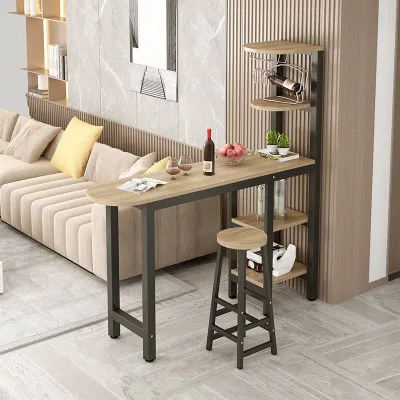
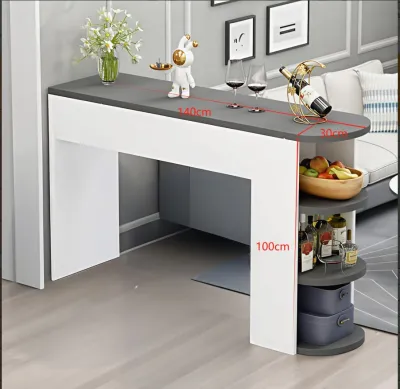
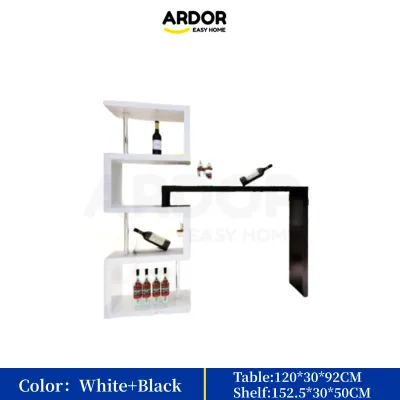
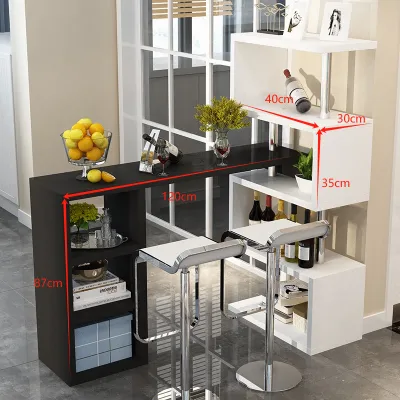
Prices are valid at publication and may change. Please refer to the product page for the latest price.
Finally, consider the surrounding architectural features and traffic paths. Ensure the table does not obstruct outward-swinging doors, screen doors, or access to utility closets. On a balcony, keep a safe distance from the railing to prevent a cramped feeling and ensure that items stored on the shelves remain secure. If you live in a high-rise condominium, also verify the dimensions of your building’s service elevator and doorways to ensure the packaged table can be delivered and transported to your unit without issue.
Match Table Dimensions to Your Layout and Seating
Once you have your space measurements, you can match them to the physical dimensions of the table and seating. Outdoor bar tables are taller than standard dining tables, which means they require matching high-top stools. When comparing options, check the manufacturer’s specifications for both the table height and the stool seat height. A comfortable seating arrangement typically requires a clear gap between the underside of the tabletop and the top of the stool seat, allowing ample room for your legs.

The shape of the table should directly complement the layout of your outdoor space. For narrow balconies or long, thin patios, a rectangular bar table is often the most efficient choice because it can be pushed directly against a wall or railing. If you have a larger, square patio or a garden deck, a square or round bar table creates a more centralized gathering point, allowing guests to stand or sit on all sides.
For highly compact or multi-use spaces, look for flexible design features such as foldable tabletops or extendable leaves. These options allow you to expand the surface area when hosting guests and fold it down to reclaim floor space during daily use. Always check the assembly instructions and joint mechanisms of these flexible models to ensure they remain stable and secure when fully extended.
Evaluate Shelf Configurations for Stability and Storage
The addition of shelves to an outdoor bar table introduces valuable storage but also affects the table’s overall usability and legroom. Bottom shelves that span the entire length of the table can restrict where you place your feet and prevent you from tucking the bar stools completely under the table when not in use. If maximizing floor space is a priority, look for tables with side-mounted shelves or tiered racks that keep the central under-table area clear for legroom and stool storage.
Stability is another critical factor when evaluating shelf configurations. A bar table with shelves loaded with heavy items like glassware, planters, or bottles must have a sturdy frame and a low center of gravity to prevent tipping. Review the manufacturer’s specified weight capacity limits for each shelf level before purchasing. Avoid overloading the upper shelves, and distribute weight evenly to maintain structural balance, especially in areas prone to sudden wind gusts.
Additionally, inspect the design of the shelves to ensure they are practical for outdoor use. Slatted shelves allow rainwater to drain freely, preventing pooling that can damage stored items or accelerate wear on the table frame. If you plan to store smaller items that might slip through slats, verify if the manufacturer offers compatible solid inserts or check if you can add removable, weatherproof liners to create a flat surface.
Verify Weather Resistance and Material Care
Outdoor furniture must endure constant exposure to environmental elements, particularly in tropical climates characterized by intense sunlight, high humidity, and heavy seasonal rainfall. Do not rely solely on a material’s name to assume it is durable; instead, carefully review the manufacturer’s product specifications for explicit details on protective finishes, UV resistance, and rust prevention.
When comparing frame materials, look for specific construction details that match your local environment. For metal frames, check for a durable powder-coated finish and rust-resistant hardware, which are essential for preventing corrosion in humid or coastal areas. If you prefer wood, look for dense varieties that have been treated with protective sealants, and be prepared to follow the manufacturer’s recommended oiling or resealing schedule to maintain its water tolerance. Synthetic wicker should feature UV-stabilized inhibitors to prevent the material from becoming brittle and cracking under direct sunlight.
The shelves themselves require the same level of scrutiny as the main frame. Removable shelf liners made of weatherproof materials can simplify maintenance by protecting the underlying structure from spills and dirt. Ensure that all joints and connection points on the shelves are tightly sealed to prevent water from trapping inside the frame, which can lead to internal rust or wood rot over time.
Avoid Common Sizing and Placement Mistakes
A frequent mistake when choosing an outdoor bar table is ignoring the physical depth of the bar stools when they are occupied. If you only measure the table’s footprint, you may find that guests cannot sit comfortably without blocking the main walkway or pressing against a wall. Always add the depth of your chosen stools plus a comfortable buffer zone to your initial space calculations.
Another common error is overloading the shelves beyond the manufacturer’s recommended weight limits. It can be tempting to use the shelves as a permanent storage zone for heavy gardening supplies, large filled bottles, or heavy ceramic pots, but exceeding the weight capacity can warp the shelves, weaken the joints, and compromise the safety of the entire structure. Keep your storage organized and lightweight to preserve the table’s structural integrity.
Finally, pay close attention to where you position the table relative to other outdoor features. Avoid placing the bar table too close to active heat sources, such as outdoor grills or fire pits, which can damage the furniture’s finish or pose a safety hazard to seated guests. Keep the table clear of high-traffic walkways and emergency exit paths to ensure your outdoor space remains safe, functional, and easy to navigate.
Frequently Asked Questions (FAQ)
What is the standard height for a bar table with shelves?
Standard outdoor bar tables generally range in height from 40 to 42 inches. When selecting seating, you should match these tables with standard bar stools that have a seat height of approximately 28 to 32 inches. Always verify the exact measurements on the manufacturer’s product specification sheet to ensure a comfortable fit.
How much space do I need between the bar table and the wall?
To allow guests to sit comfortably and push their stools back when standing up, you should maintain a minimum clearance of 30 to 36 inches between the edge of the bar table and any wall or solid barrier. Measure the depth of your specific stools and add this buffer to ensure there is enough room for easy movement.
Can I use an indoor bar table with shelves outdoors?
It is highly recommended to avoid using indoor bar tables in outdoor environments. Indoor furniture typically lacks the necessary UV stabilizers, rust-resistant hardware, and waterproof glues required to withstand sun, rain, and humidity. To prevent rapid deterioration and structural failure, strictly follow the manufacturer’s guidelines regarding indoor versus outdoor use.

Community discussion
Share your experience or ask a question. Comments are reviewed before publication.