
Selecting a black wardrobe for a small bedroom in the Philippines requires balancing functional storage with visual weight. While dark furniture brings a sophisticated, modern edge to an interior, a solid black unit can easily dominate a compact room if its dimensions are not carefully planned. The key is to find a size that maximizes vertical space, respects local architectural layouts, and maintains comfortable walkways.
To integrate a dark wardrobe successfully, you must look beyond the basic width and height. You need to evaluate how the unit interacts with your room’s natural light, door clearances, and daily traffic paths. By taking precise measurements and choosing the right design features, you can enjoy the bold aesthetic of a black wardrobe without making your bedroom feel cramped or dark.
Measure Your Available Space Before Shopping
Before browsing online catalogs or visiting showrooms, you must map out the exact physical footprint available in your bedroom. Use a metal measuring tape to record the width of the wall where the wardrobe will stand, measuring at the bottom, middle, and top. In many homes, concrete walls and structural columns can create slight variances, meaning a wardrobe that fits at the floor level might pinch near the ceiling.
Products mentioned in this guide
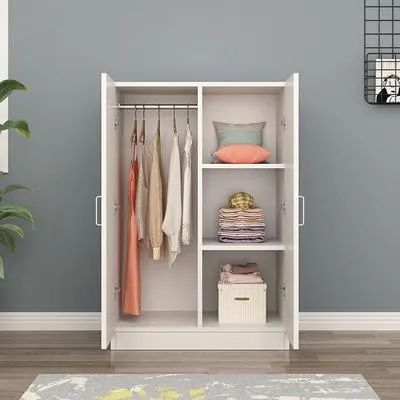
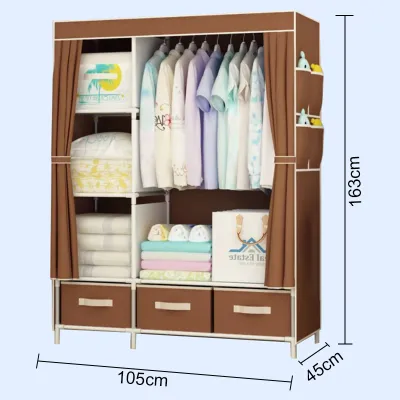
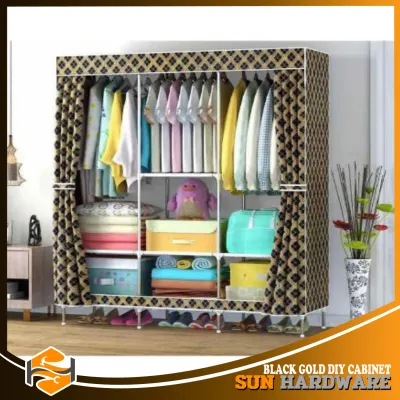
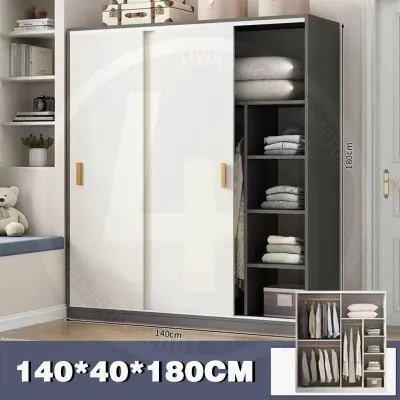
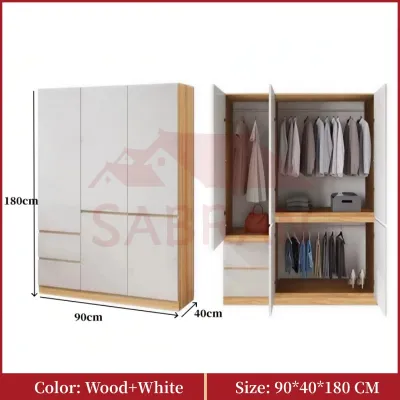

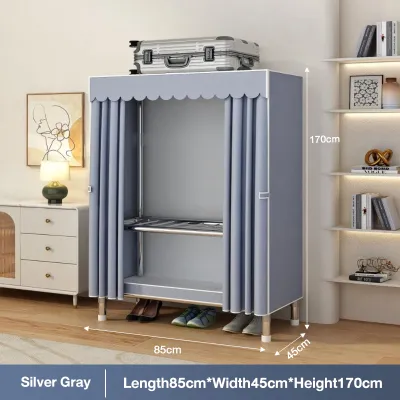
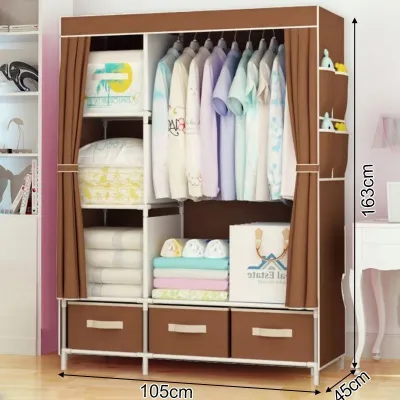
Prices are valid at publication and may change. Please refer to the product page for the latest price.
Next, measure the floor-to-ceiling height accurately. Standard ceiling heights can vary significantly between modern high-rise condominiums and older residential homes. Don’t forget to account for fixed architectural features such as baseboards, skirting boards, crown moldings, and wall-mounted light switches. A wardrobe pushed flush against a wall might block a crucial power outlet used for a fan, phone charger, or air conditioning unit.
Clearance for daily movement is just as important as the wardrobe’s physical dimensions. Ensure there is a buffer of at least 60 to 70 centimeters between the wardrobe and the edge of your bed or other furniture. This space allows you to walk past comfortably, open drawers fully, and make the bed without bumping into the wardrobe corners.
Finally, verify the delivery path from the unloading zone to your bedroom. Measure the clearance of condominium elevators, narrow stairwells, and standard doorways. If the finished dimensions of a pre-assembled unit exceed these clearances, opt for a flat-pack wardrobe that can be assembled directly inside the bedroom. When budgeting for your purchase, remember to check local delivery and assembly fees, which are typically charged in Philippine Pesos (₱) depending on your distance from the showroom.
Match Wardrobe Dimensions to Your Room Layout
Selecting the right wardrobe dimensions is a balancing act between your storage needs and the physical limits of your room layout. Standard wardrobe depth is typically around 60 centimeters, which is necessary to accommodate standard clothes hangers without creasing your garments. If your bedroom is exceptionally narrow, look for shallow-depth wardrobes measuring around 40 to 45 centimeters. These units save valuable floor space by utilizing pull-out parallel hanging rods instead of traditional perpendicular ones.

When determining the optimal width, measure the dedicated wall space and leave a margin of at least 5 to 10 centimeters on either side of a freestanding unit. This small gap prevents a cramped, wedged-in look and makes it much easier to clean dust that accumulates in tight spaces. For very small rooms, a single-door or double-door wardrobe with a width of 80 to 100 centimeters is usually the most practical choice.
Height is another critical dimension to consider. Full-height, floor-to-ceiling wardrobes maximize vertical storage, which is highly beneficial in small rooms where floor space is limited. However, a solid black, floor-to-ceiling block can feel visually heavy. If you choose a tall unit, consider breaking up the dark facade with open shelving or glass doors. Standard-height units, usually around 180 to 200 centimeters tall, leave open space at the top which can make the room feel airier, though this upper area can quickly collect dust in humid tropical environments.
Because tall, narrow wardrobes can be top-heavy, always check the manufacturer’s instructions regarding anchoring methods. Securing the unit to the wall is essential for stability, especially on the slightly uneven floors often found in older residential buildings. Never skip this step, as a stable wardrobe is crucial for long-term safety and durability.
Choose the Right Door Mechanism for Tight Spaces
The way your wardrobe doors open has a massive impact on the usable space in a small bedroom. Hinged doors require a clear swing radius of at least 50 to 60 centimeters in front of the wardrobe. If your bed or bedside table sits close to the wardrobe, opening these doors can completely block the walkway or strike nearby furniture, making daily use frustrating.
For tight layouts, sliding doors are highly efficient because they operate entirely within the wardrobe’s own footprint. You can place a sliding door wardrobe close to the bed without worrying about door clearance. However, keep in mind that sliding door track systems typically add about 5 to 10 centimeters to the overall depth of the wardrobe. Additionally, sliding doors only allow you to access one side of the closet at a time.
If traditional doors are impractical for your layout, consider alternative solutions. An open-concept wardrobe with no doors, a folding door system, or a simple fabric curtain can save valuable centimeters. In the humid tropical climate of the Philippines, open wardrobes also promote better airflow, which is a practical way to prevent musty odors and mold growth on clothing.
Optimize the Visual Impact of a Black Wardrobe
A black wardrobe does not have to make a small bedroom feel dark or enclosed. The key lies in choosing the right finish and incorporating light-reflecting elements. A matte black finish absorbs light and offers a modern, understated look, but it can show dust and fingerprints more clearly in bright daylight. A glossy finish reflects light to make the room feel brighter, but it requires regular wiping to maintain its sleek appearance.
Incorporating mirrored panels on the wardrobe doors is one of the most effective ways to mitigate the visual weight of dark furniture. The mirror reflects the opposite side of the room, bouncing natural light around and creating the illusion of a larger space. If full mirrors do not fit your style, look for designs with frosted glass inserts or light-colored wooden trim to break up the solid black surface.
Strategic lighting also plays a major role in softening the impact of dark furniture. Because dark interiors make it difficult to find clothes, plan to install warm LED strip lights or motion-activated puck lights inside the wardrobe. Externally, position ambient lighting—such as a warm bedside lamp or a directional ceiling spotlight—to brighten the area around the wardrobe and eliminate harsh shadows.
Common Sizing and Placement Mistakes to Avoid
One of the most common mistakes when installing a wardrobe is forgetting to account for baseboards or skirting boards. These trim pieces prevent the wardrobe from sitting completely flush against the wall, leaving an awkward gap at the back. This gap can cause the wardrobe to tilt forward slightly if the floor is uneven, and it creates a space where small items can fall and become unreachable.
Another critical error is blocking natural light and ventilation. In tropical climates, air circulation is vital for maintaining a healthy indoor environment. Never place a tall black wardrobe directly under a split-type air conditioner or in a position that blocks the airflow from a window or wall fan. Restricting this airflow can trap humidity, leading to mold growth behind the wardrobe and on your clothes.
Finally, avoid overestimating your available space by failing to test the layout beforehand. Before making a purchase, use masking tape to outline the wardrobe’s exact footprint on your bedroom floor. Leave the tape in place for a day or two to physically experience how the unit will affect your movement, bed-making routine, and access to electrical outlets.
Frequently Asked Questions (FAQ)
Can a black wardrobe make a small room look smaller?
Yes, a large, solid black wardrobe can absorb light and make a compact room feel more enclosed if the space is poorly lit. To counter this visual weight, pair the wardrobe with light-colored walls, install internal LED lighting, and choose doors with integrated mirrors or glass panels to reflect natural light.
Should I choose a freestanding or built-in black wardrobe for a small bedroom?
Freestanding wardrobes offer flexibility, are easier to relocate, and allow you to adjust your room layout over time. Built-in wardrobes require professional installation but can be customized to fit awkward corners and reach the ceiling perfectly, maximizing every centimeter of available space without leaving dusty gaps.

Community discussion
Share your experience or ask a question. Comments are reviewed before publication.