
Choosing the right size of a transparent organizer storage box big enough for moving requires a strategic balance between volume, weight capacity, and physical dimensions. When preparing for a residential relocation or lipat bahay in the Philippines, the temptation is often to purchase the largest containers available to speed up the packing process. However, overpacking massive containers can lead to structural failure, physical strain, and transport inefficiencies. By understanding how to align the capacity of your storage boxes with the specific characteristics of your belongings, you can ensure a safer, faster, and more organized move.
Transparent plastic containers offer a distinct advantage over traditional cardboard boxes by providing immediate visibility of their contents. This visibility eliminates the need to open multiple boxes to find essential items during the chaotic first few days in a new home. In a tropical climate where sudden downpours and high humidity can compromise cardboard, rigid plastic provides essential moisture resistance. To maximize these benefits, you must select the correct dimensions and volume ranges for different categories of household goods, ensuring that each box remains stable, stackable, and safe to lift.
The Impact of Box Sizing on Moving Efficiency and Safety
Selecting the appropriate dimensions for your moving containers directly affects both the physical safety of the movers and the spatial efficiency of the moving vehicle. In the context of a move, “large” is a relative term that spans anywhere from 50 liters to well over 120 liters. A common mistake is treating all large boxes as interchangeable utility containers. If you pack a 100-liter box entirely with heavy items, the total weight can easily exceed 40 kilograms, making it a severe hazard for back injuries and increasing the likelihood that the plastic base or handles will crack under pressure.
Products mentioned in this guide
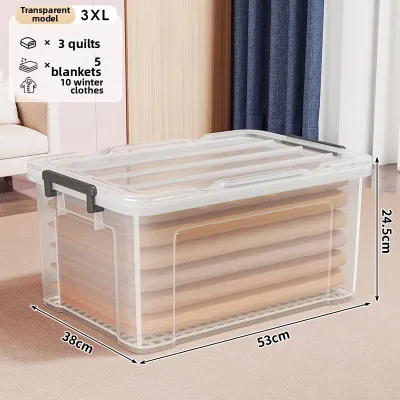
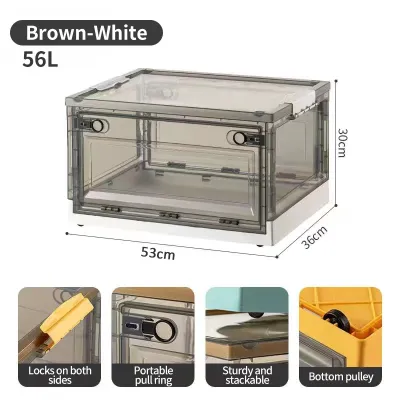
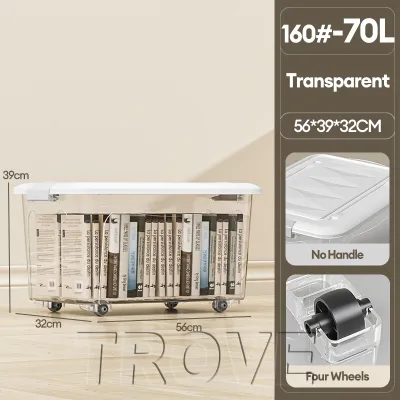
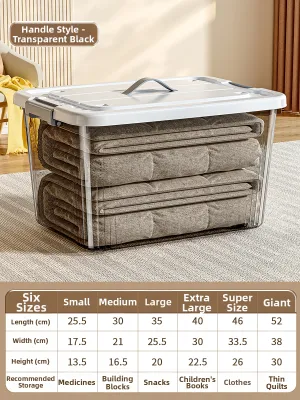
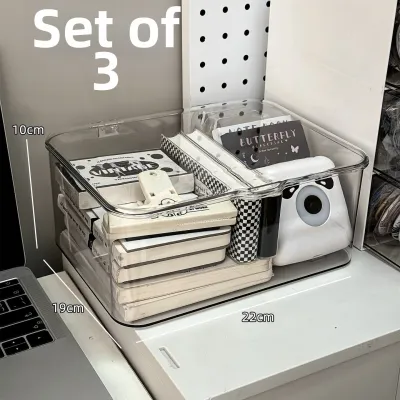
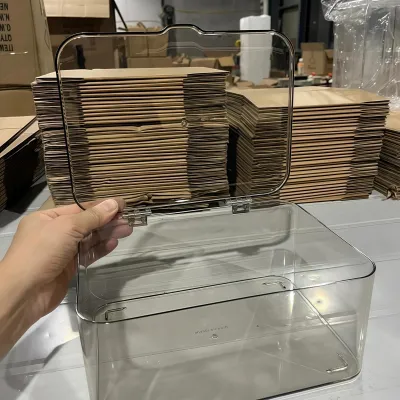
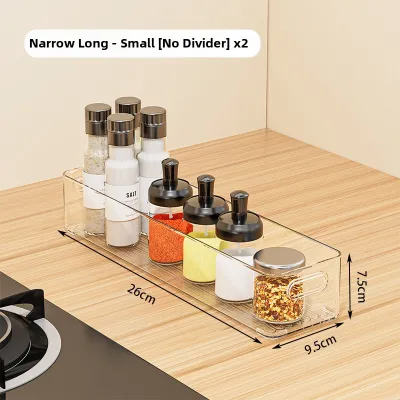

Prices are valid at publication and may change. Please refer to the product page for the latest price.
Conversely, using boxes that are too small for bulky, lightweight items results in an excessive number of individual trips, increasing loading times and labor costs. Properly sized boxes allow you to optimize the cargo space of a moving truck or van by creating uniform, stable stacks. When boxes are uniform in size or grouped by matching footprints, they lock together more securely, minimizing the risk of shifting during transit. This structural stability is particularly important when navigating uneven roads or sudden stops.
Furthermore, the physical path from your old residence to the moving vehicle—and from the vehicle to your new home—must dictate your sizing choices. Large boxes must easily clear narrow hallways, condominium service elevators, and tight stairwells. A box that requires two people to carry but is too wide to fit through a standard doorway creates an immediate bottleneck. By carefully matching the box dimensions to both the contents and the physical constraints of your moving route, you protect your belongings, your property, and the people helping you move.
Matching Your Belongings to a Transparent Organizer Storage Box Big Enough for the Move
To pack efficiently, you must categorize your belongings by weight, volume, and fragility before assigning them to specific box sizes. This systematic approach prevents the common pitfall of mixing dense, heavy items with light, delicate ones, which often leads to crushed goods and unbalanced loads.

Heavy and Dense Items (Books, Kitchenware, Documents)
Dense items require smaller-capacity containers within the large category, typically ranging from 30 to 50 liters. While these boxes are still spacious, their limited volume prevents you from overloading them to the point of physical failure. When packing books, files, ceramic dinnerware, or heavy pots and pans, the weight adds up rapidly. A larger box filled with these items will simply be too heavy for a single person to lift safely.
Before packing, always check the manufacturer’s stated weight limit on the product label. Many budget plastic boxes are rated for static storage and may not support the dynamic forces experienced when lifting and carrying heavy loads. Overfilling a massive box with books or heavy kitchenware risks handle breakage, lid separation, or a complete collapse of the bottom panel when lifted.
- Weight Limit Verification: Inspect the plastic handles and base seams for stress marks or flexing. If the plastic turns white or bends significantly when lifted, the box is overloaded.
- Weight Distribution: Place the heaviest items, such as thick cookbooks or ceramic plates, flat at the bottom of the box to maintain a low center of gravity.
- Volume Balancing: If you must use a larger box for heavy items, fill it only halfway with dense goods, and use the remaining space for lightweight materials like bubble wrap, crumpled packing paper, or small pillows.
- Lifting Support: Avoid carrying heavily loaded boxes solely by their plastic handles or rim latches. Always support the box by placing your hands underneath the base to distribute the weight evenly.
Bulky and Lightweight Items (Clothing, Linens, Bedding)
For bulky, lightweight, and highly compressible items, you should utilize the maximum volume offered by big transparent storage boxes, typically ranging from 80 to 120 liters or more. These massive containers are ideal for packing winter clothing, thick blankets, comforters, pillows, and bath towels. Because these items have low density, even a fully packed 100-liter box will remain light enough for one person to carry comfortably.
In the Philippines, high humidity and seasonal rains can easily damage fabrics if they are exposed to damp air during a move. Utilizing large plastic boxes with secure, latched lids provides an effective barrier against dust, moisture, and pests. The transparency of these boxes is particularly useful here; you can easily spot seasonal clothing, guest linens, or immediate changes of clothes upon arrival without having to rummage through multiple containers.
- Compression Techniques: Pack linens and pillows tightly, pressing out excess air as you layer them to maximize the internal volume of the box.
- Lid Security: Ensure the lid is fully snapped shut and the latches are engaged. If the clothing is spilling over and forcing the lid upward, remove a few items rather than forcing the latches, which can snap under tension.
- Moisture Prevention: Ensure all fabrics are completely dry before packing. For added protection in humid environments, place a few silica gel packets inside the box before sealing.
- Visibility Placement: Place distinctively colored blankets or specific clothing items near the outer walls of the transparent box to serve as visual markers for quick identification.
Fragile and Awkwardly Shaped Items (Decor, Small Appliances)
Fragile and awkwardly shaped items, such as table lamps, small kitchen appliances, decorative vases, and electronics, require medium-to-large boxes (typically 50 to 75 liters) that allow ample room for protective cushioning. Unlike flexible clothing, these items cannot be compressed, and their rigid structures require careful placement to prevent damage.
While the rigid plastic walls of a transparent storage box offer superior protection against external crushing compared to cardboard, they also present a hazard: if items are allowed to shift inside, they can crack against the hard plastic walls. Therefore, you must select a box size that is significantly larger than the item itself to accommodate essential padding materials like bubble wrap, foam inserts, or soft towels.
- Buffer Space Allocation: Always select a box that leaves at least 5 to 10 centimeters of empty space around the perimeter of your fragile items to serve as a buffer zone.
- Pre-Purchase Measurement: Measure the maximum height, width, and depth of your largest fragile items using a tape measure. Compare these measurements against the internal dimensions of the box, not the external ones.
- Void Filling: Fill all empty spaces with packing paper, bubble wrap, or soft clothing. If you shake the box gently and feel the contents shifting, add more padding until everything is securely immobilized.
- Base Cushioning: Lay a thick layer of bubble wrap or a folded towel at the bottom of the box before placing any fragile items inside to absorb shocks during transport.
Measuring Your Space and Ensuring Stackability
Before purchasing a large quantity of transparent storage boxes, you must verify that they will physically fit within your moving environment and transport vehicle. This step involves measuring both the static spaces (the vehicle cargo hold) and the dynamic pathways (doorways, hallways, and elevators) through which the boxes must travel.
The cargo area of your moving vehicle—whether it is a personal SUV, a rented van, or a professional moving truck—has strict spatial limits. You should measure the height, width, and depth of the cargo hold to plan your loading layout. For example, if your SUV cargo area is 90 centimeters high, stacking two 50-centimeter-tall boxes will not be possible. Knowing these dimensions beforehand allows you to select box heights that stack perfectly to maximize the vertical space of the vehicle.
Equally important is measuring the pathways of both your old and new residences. Take note of the width of doorways, corridors, and stairwells. If you live in a high-rise condominium, measure the entrance and internal height of the service elevator. Carrying a wide, heavy box through a narrow stairwell is not only physically exhausting but also increases the risk of scraping walls or dropping the container.
Stackability is another critical factor for transport safety. When selecting boxes, inspect the lid design carefully. High-quality storage boxes feature lids with molded, reinforced grooves or interlocking channels that match the footprint of the box base. This design prevents the boxes from sliding laterally when stacked.
- Step 1: Check Doorway Clearances: Measure the narrowest door frame or hallway on your route. Ensure the exterior width of your chosen boxes allows for comfortable hand clearance on both sides when carried by a mover.
- Step 2: Verify Lid Load Capacity: Check if the manufacturer specifies a stacking weight limit. Lighter, cheaper lids can bow or crack under the weight of another loaded box, which can crush the contents below.
- Step 3: Account for Protrusions: Always use the exterior dimensions of the box for space planning. Manufacturer capacity ratings (in liters) do not account for protruding handles, latches, or lid lips, which can add 2 to 5 centimeters to the overall width and height.
Common Sizing Mistakes to Avoid When Buying Online
Purchasing storage boxes online offers convenience and access to a wide variety of brands, but it also increases the risk of sizing errors. Because you cannot physically handle the boxes before buying, it is easy to misjudge their actual scale and structural integrity.
One of the most frequent mistakes is the “one-size-fits-all” approach, where buyers purchase a single massive box size for all their belongings. While this might simplify the buying process, it inevitably leads to half-empty boxes of fragile items or dangerously heavy boxes of books. A successful move requires a curated mix of small, medium, and large boxes tailored to different categories of goods.
Another common error is relying solely on volume metrics, such as liters or gallons, without reviewing the actual physical dimensions. Two boxes can both have a volume of 80 liters, but one might be tall and narrow, while the other is short and wide (designed for under-bed storage). The tall box is ideal for vertical stacking in a truck, whereas the flat, wide box has a large footprint that will consume valuable floor space in the vehicle and may be awkward to carry through doorways.
- Standardization Fallacy: Do not assume that all "large" boxes share the same dimensions across different brands. A "large" box from one manufacturer might be 60 liters, while another brand labels a 100-liter box as "large." Always compare exact centimeter measurements.
- Ignoring Handle Limits: Many budget online listings feature boxes with thin, clip-on plastic latches. These latches are designed to keep dust out, not to bear the weight of a heavy load when lifted. Look for integrated, molded handles if you plan to carry heavy items.
- Neglecting Padding Space: When buying a box for a specific appliance, buyers often match the appliance dimensions exactly to the box dimensions, leaving zero room for protective bubble wrap or foam. Always add a 5-to-10-centimeter margin to your measurements for padding.
Frequently Asked Questions (FAQ)
Can I stack large transparent storage boxes in a moving truck?
Yes, you can stack large transparent storage boxes in a moving truck, provided they have interlocking lids and are stacked correctly. Always place the heaviest, most stable boxes at the bottom of the stack to prevent the lower lids from cracking. Ensure that all lids are securely snapped shut and that the stacks are tightly packed against the truck walls or secured with cargo straps to prevent tipping during sudden stops.
Are transparent plastic storage boxes better than cardboard for moving?
Transparent plastic boxes offer superior moisture resistance, crush protection, and reusability compared to cardboard, making them excellent for tropical climates and fragile items. However, cardboard remains a lighter, more cost-effective option for non-fragile items and is easier to recycle or fold flat after the move. For the best results, use a combination of both materials based on your budget and the vulnerability of your belongings.

Community discussion
Share your experience or ask a question. Comments are reviewed before publication.