
To fit a small home office or study room in the Philippines, the ideal metal rack should have a shallow depth of 30 to 40 centimeters, a width of 60 to 90 centimeters, and a height of 150 to 180 centimeters. This specific size range allows you to maximize vertical storage while keeping the limited floor area open and functional. Choosing a storage unit for a compact workspace requires balancing your organizing needs with the physical constraints of the room, ensuring the furniture supports your productivity rather than causing physical or visual clutter.
Measure Your Available Space First
Before browsing online marketplaces or local furniture stores, you must take precise measurements of your room. Start by measuring the exact floor footprint where the metal rack will stand. A common oversight is ignoring the baseboards or skirting boards running along the bottom of your walls. These small wooden or PVC strips can prevent a flush fit, pushing the rack outward by 1 to 2 centimeters and potentially blocking nearby doors, drawers, or walkways.
Equally important is planning the delivery and assembly path. In many Philippine homes, townhouses, and high-rise condominiums, navigating narrow hallways, tight stairwells, and compact elevator cabins can be incredibly challenging. Even if a metal rack fits perfectly in your designated office corner, you must ensure that the packaged box or the fully assembled unit can physically pass through every doorway and turn along the way without damaging the walls.
Products mentioned in this guide
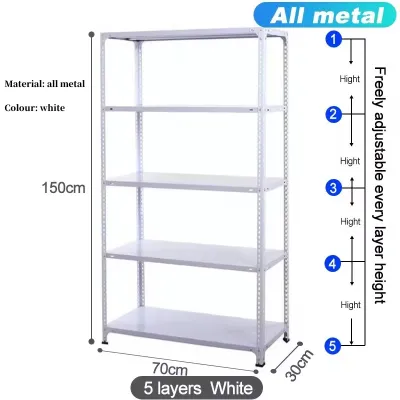
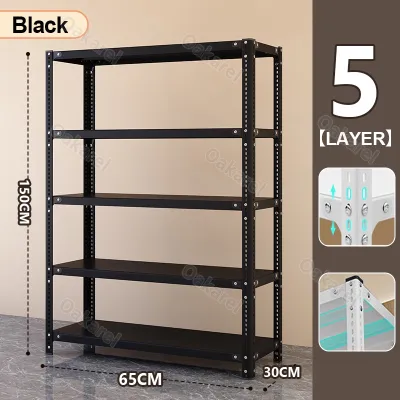

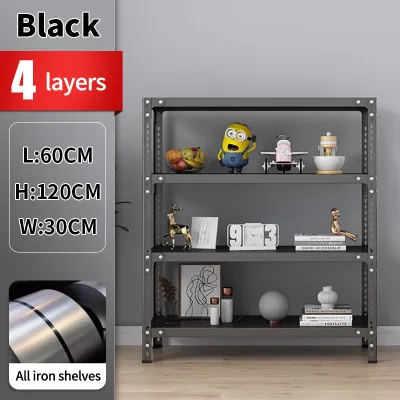
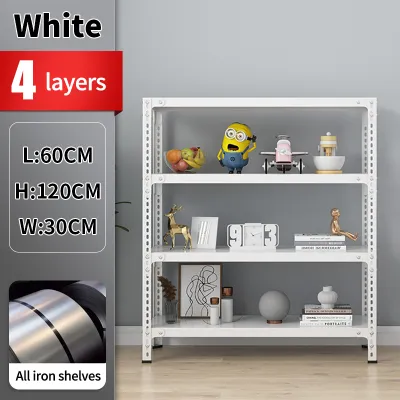
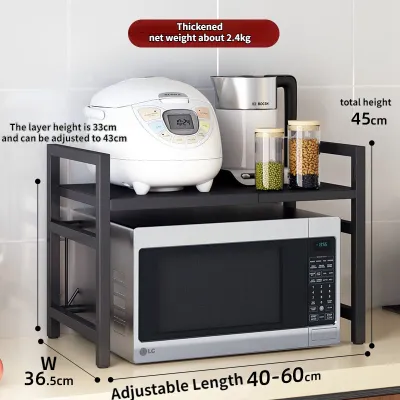
Prices are valid at publication and may change. Please refer to the product page for the latest price.
To maintain a comfortable working environment, you need to factor in ergonomic clearances. As a general rule, leave at least 60 to 90 centimeters of open space in front of the metal rack. This clearance ensures you can pull your office chair out fully, spin around, or walk past the unit without bumping your knees or feeling restricted.
Finally, look up and around the intended installation site to identify potential physical obstructions. Take note of the exact locations of wall outlets, internet routers, light switches, and split-type air conditioning units. Placing a tall metal rack directly in front of an air conditioner can block essential airflow, while covering power outlets makes it difficult to plug in your computer, printer, or desk lamp safely.
Recommended Dimensions for Compact Study Rooms
Choosing the right dimensions ensures your metal rack provides maximum utility without dominating the visual landscape of your study room.

Depth and Width for Tight Spaces
For compact home offices, shallow-depth metal racks measuring 30 to 40 centimeters deep are highly recommended. This depth is perfectly suited for organizing standard textbooks, reference manuals, A4 document binders, and small storage baskets. Opting for a shallow profile prevents the shelves from protruding too far into your primary walkway, preserving valuable floor space.
When it comes to horizontal span, a width of 60 to 90 centimeters is the ideal sweet spot for placing next to a desk or tucking into an unused corner. Units wider than 100 centimeters can easily overwhelm a small wall, making the entire room feel smaller. Furthermore, wider shelves require more robust structural support and thicker steel frames to prevent the horizontal beams from sagging under heavy loads over time.
To avoid post-purchase frustration, measure your largest intended items before finalizing your purchase. If you plan to store a desktop printer, a flatbed scanner, or oversized plastic organizing bins, verify their exact base dimensions. Ensuring these items fit entirely within the shelf depth prevents hazardous overhangs and keeps your workspace looking neat.
Height and Vertical Storage
Utilizing vertical space is the most effective way to expand your storage capacity in a small room. A tall, narrow metal rack standing between 150 and 180 centimeters high allows you to store dozens of books and office supplies while occupying a minimal footprint on the floor.
However, you must balance height with the room’s overall proportions and lighting. Standard residential ceilings in the Philippines often range from 2.4 to 2.7 meters. A rack that is excessively tall can make a low-ceilinged room feel cramped and cave-like. Additionally, ensure the height of the rack does not block natural light from your windows, as a well-lit workspace is essential for maintaining focus and reducing eye strain.
To get the most out of your vertical storage, look for metal racks that offer adjustable shelf heights. Systems utilizing boltless rivet designs or wire shelving with adjustable split sleeves allow you to customize the vertical spacing between tiers. This flexibility lets you easily accommodate tall reference binders on one level and short stationery boxes on another, eliminating wasted vertical gaps.
Space-Saving Configurations to Maximize Utility
Modern metal shelving comes in various designs tailored to solve specific space challenges in compact environments.
Wall-Mounted and Corner Shelves
Wall-mounted metal shelving is an excellent option for keeping your floor completely clear. By elevating your storage, you create an open, airy feel in the room and make daily cleaning, sweeping, or vacuuming much simpler.
Before installing wall-mounted shelves, you must verify your wall construction. In the Philippines, interior walls are commonly constructed from concrete hollow blocks or gypsum drywall. Solid concrete walls can support substantial weight when paired with high-quality masonry anchors and screws. Drywall, on the other hand, is much weaker and requires you to anchor the shelves directly into wooden or metal studs, or use heavy-duty toggle bolts. Always check the manufacturer’s instructions to ensure your wall type can safely support the intended load.
If you have an awkward layout, corner metal racks are a fantastic way to transform dead space into functional storage. These units fit snugly into 90-degree corners, but they require highly precise measurements. Ensure the corner rack does not interfere with nearby window frames, curtains, or door swings.
Mobile and Modular Racks
For multi-purpose rooms that serve as both a bedroom and a home office, mobile metal racks equipped with caster wheels offer unmatched flexibility. You can easily roll the entire storage unit out of the way when cleaning, reconfiguring your desk layout, or accessing hidden wall outlets.
Modular or tiered metal racks provide another layer of versatility. These systems can be expanded vertically or connected side-by-side as your storage needs grow, or disassembled into smaller units if you decide to downsize.
When choosing a mobile rack, pay close attention to the quality of the caster wheels and their locking mechanisms. The wheels should be made of non-marking rubber or polyurethane to prevent scratching delicate vinyl tiles or laminate wood flooring. At least two of the casters must have reliable, heavy-duty locks to ensure the rack remains perfectly stable and stationary when you are pulling items off the shelves.
Common Sizing and Placement Mistakes
Avoiding common pitfalls during the planning phase will save you time, money, and frustration.
One frequent mistake is ignoring the actual depth of the items you plan to store. Even if the metal rack physically fits into your office, placing oversized storage boxes or deep electronic equipment on a shallow shelf will cause them to hang over the edges. This overhang looks messy, disrupts the room’s visual flow, and can easily catch on your clothes as you walk past.
Another common error is placing a tall, open-backed metal rack in the center of a small room to act as a space divider. While this technique works well in large, open-concept lofts, in a compact study room, it disrupts natural sightlines, blocks light, and makes the space feel divided into two claustrophobic cubicles. Keep tall racks positioned firmly against the walls to preserve an open feel.
Do not buy a metal rack based solely on the total number of shelves without considering the actual usable space between them. A five-tier rack might sound appealing, but if the overall height is low, the vertical clearance between each shelf may be too small to fit standard upright binders or books, leaving you with unusable storage tiers.
Finally, always account for the thickness of the rack’s frame. Manufacturers list external dimensions, which include the outer metal posts and corner brackets. The actual internal, usable shelf width is always slightly smaller. If you have specific storage bins that must fit side-by-side, verify the internal clearance dimensions before purchasing.
Safety, Stability, and Installation Checks
Ensuring your metal rack is safely installed and loaded is critical for preventing accidents, especially in compact workspaces where you move around in close proximity to the furniture.
For tall and narrow metal racks exceeding 150 centimeters in height, using anti-tip brackets or wall-anchoring kits is highly recommended. This safety measure is particularly important in the Philippines, where minor seismic tremors can occur, or in households with active pets or small children who might attempt to climb the shelves. Anchoring the rack securely to the wall prevents catastrophic tip-over accidents.
To maintain optimal stability, always load the rack from the bottom up to keep the center of gravity low. Place your heaviest items, such as heavy reference books, paper reams, and printer equipment, on the lowest shelves. Lighter items, like stationery, decorative plants, and empty folders, should be reserved for the upper tiers.
Before loading your shelves, consult the manufacturer’s guidelines for the exact weight capacity per shelf and for the entire unit. Never exceed these limits, as overloading can cause metal shelves to bow, weld joints to fail, or the vertical frame to warp permanently.
Lastly, protect your flooring by placing rubber caps, felt pads, or small rubber mats under the rack’s metal feet. This simple addition prevents the hard metal edges from scratching ceramic tiles, laminate, or vinyl floors, while providing extra grip to prevent the rack from sliding on smooth surfaces.
Frequently Asked Questions (FAQ)
Can a standard metal rack hold heavy books and a printer?
Yes, but the exact load capacity depends heavily on the steel gauge and the specific design of the rack. Standard wire shelving and heavy-duty steel racks are generally robust enough to support heavy books and printers, but you must verify the manufacturer’s rated weight limit per shelf before loading them. To ensure maximum stability, place heavy printers on the bottom or middle shelves, and make sure the shelf depth is sufficient so that the printer’s base and rubber feet sit entirely on the shelf surface without hanging over the edge.
How do I maintain a metal rack in a humid climate?
The high humidity levels in the Philippines can accelerate rust and corrosion on metal furniture. While many modern metal racks feature powder-coated, chrome-plated, or galvanized finishes designed to resist moisture, they are not completely rust-proof. To maintain your rack, keep it in a well-ventilated area of your home office and avoid placing it directly against damp exterior walls. Wipe up any liquid spills immediately with a dry cloth, and periodically inspect the frame for any scratches or chips in the protective coating. If you notice exposed metal, touch it up promptly with a rust-inhibiting paint to prevent corrosion from spreading.

Community discussion
Share your experience or ask a question. Comments are reviewed before publication.