
Finding the right metal shoe cabinet requires balancing your home’s physical layout with the specific storage needs of your footwear collection. A metal cabinet offers excellent durability and a sleek profile, but choosing the wrong size can lead to cramped entryways, blocked doors, or bent shelves. To make the right choice, you must measure your floor area, calculate your actual shoe volume, and select a configuration that accommodates your tallest and bulkiest pairs without obstructing daily foot traffic.
Assess Your Available Space and Clearance
Before browsing online marketplaces or visiting local showrooms, you must establish the precise boundaries of your intended installation area. Start by measuring the available floor width, depth, and height with a standard tape measure. Do not rely on visual estimates, as even a few millimeters of discrepancy can prevent a metal cabinet from fitting flush against the wall. Remember to account for protruding baseboards, electrical outlets, light switches, and wall irregularities that might force the cabinet forward, reducing your usable floor space.
Clearance is just as critical as the physical footprint of the furniture piece. If you choose a metal shoe cabinet with swing-out doors or drop-down drawers, you must measure the clearance zone in front of the unit. Ensure that when the doors or tiers are fully extended, they do not block main walkways, strike adjacent walls, or collide with nearby furniture. In tight spaces like narrow hallways or condo foyers, a slim drop-down cabinet is often more practical than a traditional double-door design because it requires significantly less front clearance to operate.
Products mentioned in this guide
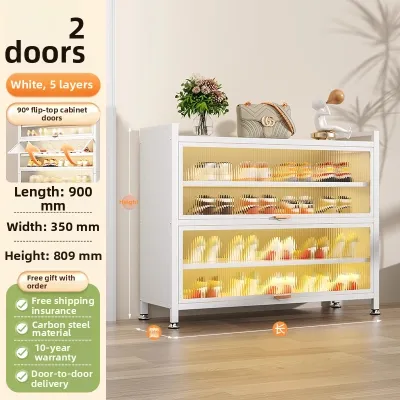
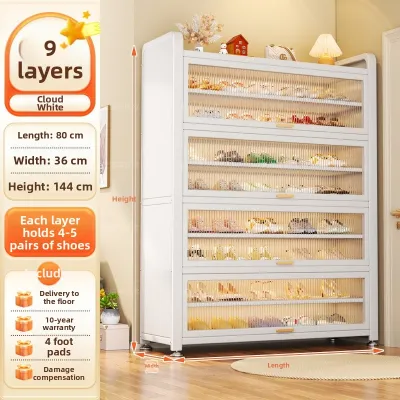
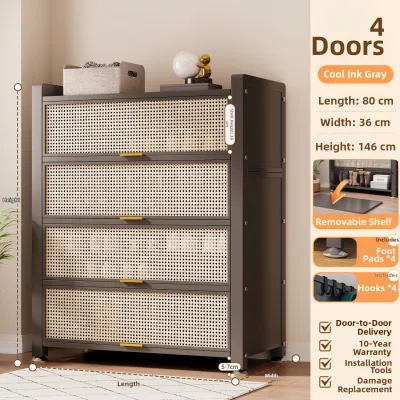
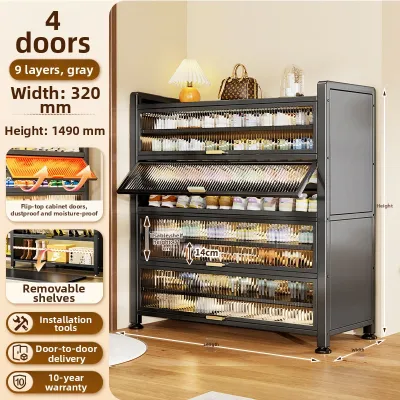
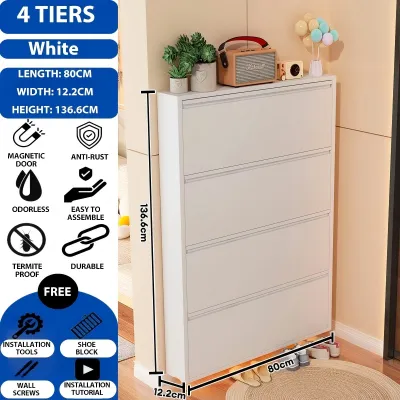
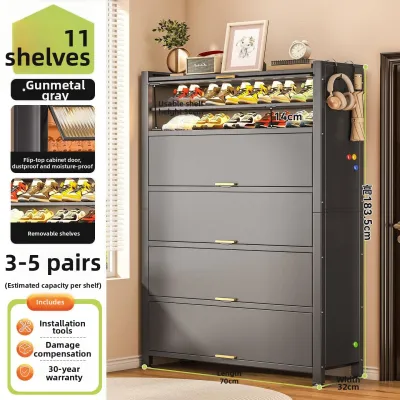
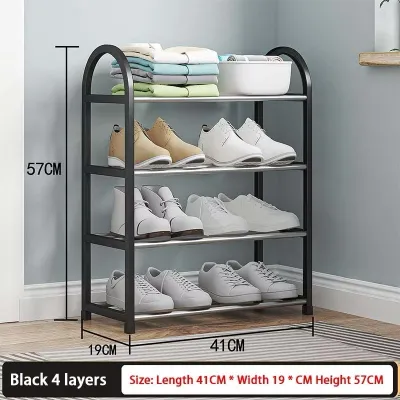
Prices are valid at publication and may change. Please refer to the product page for the latest price.
Finally, plan the delivery route from your building’s entrance to the final room. Measure the width and height of your front door, hallway corners, stairwells, and elevator doors. Metal shoe cabinets are often delivered as heavy flat-packs or fully assembled welded units. Ensuring that the packaged box or the completed frame can navigate these tight passages prevents frustrating delivery failures and potential damage to your walls or the cabinet itself.
Calculate Your Shoe Storage Capacity Needs
To choose a cabinet that actually fits your collection, you must conduct an honest inventory of your footwear. Gather all the shoes you plan to store and count the total number of pairs. Group them by category, such as flat sandals, running sneakers, high heels, leather dress shoes, and boots. This categorization is essential because different shoe styles occupy vastly different amounts of vertical and horizontal space.

While flat sandals and slippers can easily sit side-by-side in tight rows, bulky athletic shoes, high-top sneakers, and boots require much more height and width per pair. If you prefer to keep your premium shoes or seasonal footwear in their original cardboard boxes, you must factor in the extra volume of those boxes. Additionally, always leave a buffer of about ten to twenty percent for future purchases or seasonal rotation, ensuring you do not immediately outgrow your new storage system.
Be cautious when reading manufacturer capacity claims, as these estimates are typically based on standard, low-profile flat shoes. A cabinet advertised as holding eighteen pairs might only accommodate twelve pairs of larger men’s sneakers or high-heeled shoes. By calculating your capacity based on the actual physical dimensions of your specific footwear rather than generic pair counts, you can avoid purchasing a cabinet that is too small for your daily needs.
Match Cabinet Dimensions to Your Space and Collection
Once you have your spatial measurements and shoe inventory, you can compare different metal shoe cabinet configurations to find the ideal balance. If your floor space is highly limited, such as in a compact apartment or a narrow entryway, a tall and narrow vertical cabinet is highly efficient. These units utilize vertical wall space, often featuring slim, tilting compartments that store shoes vertically to minimize the cabinet’s depth.
Conversely, if you have ample wall space but want to keep the visual profile of your room low, a wide and low metal cabinet is an excellent alternative. This style can double as an entryway console table, providing a convenient surface for keys, mail, or decorative items. When choosing between these profiles, always prioritize the physical comfort of your household; a low cabinet can also serve as a sturdy bench where family members can sit while putting on their shoes, provided the manufacturer rates it for seating weight.
To accommodate a diverse collection of footwear, look for metal cabinets that offer adjustable shelves or removable internal dividers. Fixed-tier cabinets can limit your storage options, forcing you to store taller boots or high heels sideways, which can damage the shoe material over time. Always review the detailed product specification sheets provided by the manufacturer to verify the internal shelf depth and height, ensuring your largest shoes will fit comfortably behind closed doors.
Evaluate Structural and Installation Requirements
Metal shoe cabinets are prized for their structural integrity, but they still require careful installation to remain safe and functional. Start by checking the manufacturer’s specified weight capacity for both the individual shelves and the overall unit. Heavy leather boots, thick-soled sneakers, and metal-accented footwear can add up to significant weight, and overloading can cause thin metal shelves to warp or sag over time.
Safety is a paramount concern, particularly with tall, narrow, or shallow metal cabinets. Because metal is relatively lightweight compared to solid wood, a tall cabinet can easily become top-heavy when loaded with shoes. To prevent dangerous tipping hazards, especially in homes with active children or pets, you must anchor the cabinet securely to the wall. Check if the product includes an anti-tip anchoring kit, and verify that your wall type is compatible with the supplied hardware.
During assembly, pay close attention to the leveling of the unit. Uneven floors, which are common in tiled entryways or older buildings, can cause a metal cabinet to wobble, putting uneven stress on the joints and doors. Look for metal cabinets equipped with adjustable leveling feet, which allow you to compensate for floor irregularities and ensure the cabinet stands perfectly upright and stable.
Avoid Common Sizing and Placement Mistakes
One of the most frequent mistakes when choosing a metal shoe cabinet is ignoring ventilation. In warm, humid climates, enclosed metal cabinets can trap moisture from damp shoes, leading to mold growth, unpleasant odors, and accelerated rust on non-treated metal surfaces. To prevent this, choose a cabinet with louvered doors, perforated back panels, or built-in ventilation slots that promote continuous airflow.
Another common error is overcrowding the shelves in an attempt to squeeze in extra pairs. Forcing shoes into spaces that are too tight can scuff delicate leather, crush shoe counters, and exceed the cabinet’s structural weight limits. Always leave a small gap between each pair of shoes to allow air to circulate and to make it easier to retrieve your footwear without knocking over adjacent pairs.
Finally, never place a tall, unanchored metal cabinet in high-traffic zones or directly behind entry doors where it can be easily bumped. A sudden impact from a swinging door or a passing family member can destabilize a top-heavy cabinet, leading to property damage or personal injury. Position the cabinet in a recessed nook or secure it firmly to the wall to ensure it remains a safe, permanent fixture in your home.
Frequently Asked Questions (FAQ)
How much extra space should I leave around a metal shoe cabinet?
You should ideally leave at least two to three centimeters of clearance on the sides and back of the metal shoe cabinet to allow for proper air circulation, which helps prevent moisture buildup. For the front clearance, ensure there is at least sixty to eighty centimeters of open space. This allows you to fully open the doors or tilt-out compartments and stand comfortably in front of the unit without blocking the main pathway or bumping into opposite walls.
Can I stack two small metal shoe cabinets to save floor space?
You should never stack freestanding metal shoe cabinets unless the manufacturer has explicitly designed, tested, and rated them for vertical stacking. Stacking unrated units creates a severe tipping hazard and can crush or warp the frame of the lower cabinet under the excessive weight. If you need to maximize vertical space, always purchase a single, tall cabinet that is engineered for vertical stability and includes dedicated wall-anchoring hardware.

Community discussion
Share your experience or ask a question. Comments are reviewed before publication.