
Fitting a portable folding bed with foam into a small bedroom without blocking wardrobe access requires balancing the bed’s unfolded footprint with your closet’s door clearance. In compact spaces like urban condominiums, floor area is limited. Choosing the wrong bed size can turn a functional room into a cramped obstacle course where you must fold the bed just to grab a change of clothes. By measuring your layout, understanding standard bed dimensions, and selecting the right foam thickness, you can maintain a comfortable sleeping area while keeping your wardrobe fully accessible.
Measure Your Bedroom and Wardrobe Clearance
Before browsing online marketplaces, establish the exact physical boundaries of your bedroom. Use a tape measure to record the wall-to-wall length and width. Mark fixed obstacles like structural pillars, electrical outlets, and built-in shelves that cannot be moved.
Next, analyze your wardrobe design. Hinged doors require a clear arc to open fully. Measure the width of the widest door panel; this is your minimum swing radius. A 50-centimeter door requires an unobstructed 50-centimeter clearance arc in front of it. If your wardrobe has sliding doors, you do not need to worry about a swing arc, but you must still calculate standing clearance. A person needs at least 50 to 60 centimeters of space to stand comfortably in front of a sliding wardrobe while reaching inside.
Products mentioned in this guide
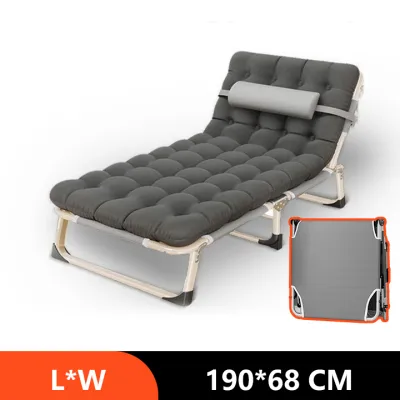

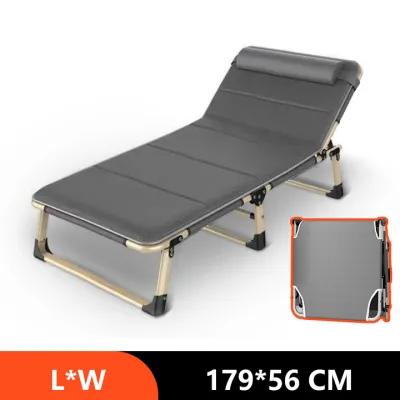
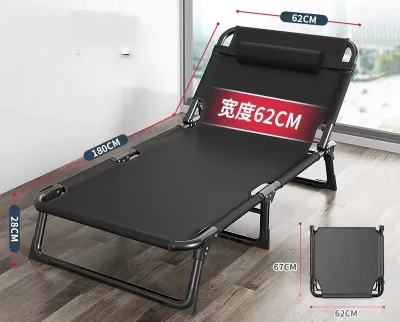
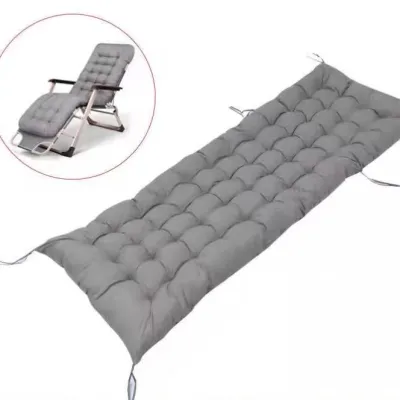
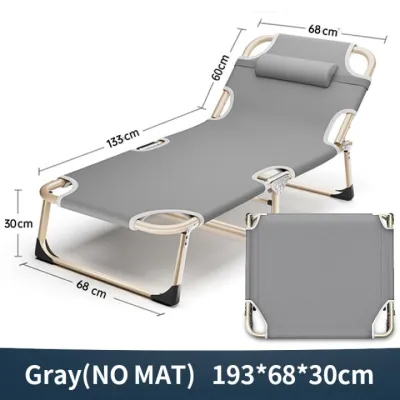
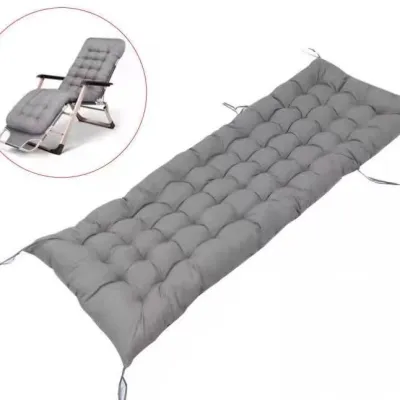
Prices are valid at publication and may change. Please refer to the product page for the latest price.
Finally, map out walking paths. To maintain a safe living environment, you need a designated walkway around the bed. The standard minimum clearance for a secondary pathway is 60 centimeters. This space allows you to walk naturally without turning sideways or risking painful bumps against the bed frame. If the bed sits adjacent to the wardrobe, combine the door swing radius with this walking clearance to determine the total buffer zone needed between the mattress edge and the wardrobe face.
Compare Portable Folding Bed Sizes and Footprints
Portable folding beds with foam come in several standard sizes, each offering a different balance between sleeping comfort and floor space preservation.

A standard Single folding bed typically measures approximately 75 to 90 centimeters in width and 180 to 190 centimeters in length when fully unfolded. This compact footprint is highly suitable for narrow bedrooms, leaving maximum floor space open for wardrobe doors and walkways. However, active sleepers may find a Single bed somewhat restrictive.
A Super Single folding bed, usually measuring 100 to 110 centimeters in width, offers a noticeable upgrade in sleeping comfort without completely overwhelming a small room. It provides extra shoulder room while still fitting comfortably alongside a wardrobe, provided you have sliding doors or a wider room layout.
A Double folding bed, ranging from 120 to 135 centimeters in width, is the largest common portable option. While comfortable, its large footprint can easily block wardrobe access in a standard small bedroom. This size is best reserved for wider rooms where the wardrobe is positioned on an opposite wall, or where the bed can be placed parallel to a sliding-door closet with a generous gap.
To help you visualize how these sizes interact with different room configurations, consider this decision matrix:
| Room Layout Shape | Wardrobe Door Type | Recommended Bed Size | Minimum Clearance to Maintain |
|---|---|---|---|
| Narrow / Rectangular | Hinged Doors | Single | Door swing radius + 60 cm walkway |
| Square / Compact | Sliding Doors | Super Single | 60 cm standing clearance |
| Studio / Open Plan | Sliding or Hinged | Double | Door swing radius + 75 cm walkway |
When reviewing product listings, always check the manufacturer’s specification sheet for the exact outer dimensions of the frame. Protruding legs or brackets can add several centimeters to the overall footprint, which makes a significant difference in tight spaces.
Evaluate Foam Thickness and Storage Dimensions
The thickness and density of the foam mattress play a dual role in your daily comfort and the bed’s storage convenience. While a thicker mattress offers better support, it also increases the overall bulk of the bed when folded.
Standard folding bed mattresses generally range from 5 to 10 centimeters in thickness. A mattress that is 5 to 7 centimeters thick is lightweight, highly flexible, and allows the bed frame to fold into a very slim profile. This makes the unit easy to roll, lift, and store in tight gaps. However, thinner foam may compress fully under an adult’s weight, allowing you to feel the metal support bars underneath. A mattress that is 8 to 10 centimeters thick provides superior cushioning and pressure relief, but it results in a much thicker folded profile and adds significant weight to the frame, making daily handling more physically demanding.
Before making a purchase, identify where the bed will live when it is not in use. Common storage solutions in small bedrooms include the gap between a wardrobe and the wall, inside a deep closet, under an existing high-clearance bed frame, or behind a bedroom door.
Measure your chosen storage spot carefully. Compare the height, width, and depth of the storage gap with the manufacturer’s folded dimensions. Ensure there is at least a two-centimeter buffer on all sides so you can slide the bed in and out without scratching your walls or damaging the wardrobe finish. If you plan to store the bed inside a wardrobe, verify that the wardrobe doors can close completely with the bed inside.
Plan the Layout for Daily Movement and Access
A successful small bedroom layout relies on smooth daily transitions. Because a portable folding bed is meant to be packed away, you must plan for both its active sleeping state and its stored state.
Map out the physical path required to unfold the bed. You will need temporary clearance to stand, roll the bed into position, and extend the legs. If your room is exceptionally tight, you may need to establish a routine of moving light furniture, such as a desk chair or a laundry hamper, to make room for the bed each night. Ensure this transition path does not require heavy lifting or awkward maneuvers that could strain your back.
Positioning is also critical for safety and utility. Avoid placing the bed directly in front of wall outlets that you need to access for charging devices or powering appliances. In tropical climates, ensure the bed does not block the direct airflow from your air conditioning unit or obstruct windows. Proper air circulation is essential for maintaining a comfortable sleeping temperature and preventing moisture buildup.
To make your daily routine as efficient as possible, follow this simple setup and storage checklist:
- Clear the floor area of any loose items, slippers, or small rugs that could interfere with the bed's caster wheels.
- Roll the folded bed gently from its storage location to the designated sleeping area.
- Release the safety strap or locking mechanism holding the frame together.
- Lower both sides of the bed slowly, ensuring the support legs lock into their fully extended positions.
- Arrange your pillows and bedding, ensuring they do not drape onto the floor.
- In the morning, strip the heavy blankets, fold the frame back up, secure the safety lock, and roll it back to its storage spot.
Frequently Asked Questions (FAQ)
Can a portable folding bed with foam be used every night?
Portable folding beds are primarily designed for temporary use, such as hosting overnight guests or taking quick rests. The folding frame, whether made of metal grid or wooden slats, does not offer the same continuous, rigid support as a standard platform bed or box spring. Over time, daily use can cause the frame joints to loosen and the foam mattress to sag or develop permanent creases where it folds. If you must use one daily, check the manufacturer’s weight capacity, inspect the joints regularly for wear, and consider adding a thin, supportive mattress topper to distribute your weight more evenly.
How do I prevent the foam from retaining moisture in a small room?
In warm and humid environments, foam mattresses can easily trap body heat and sweat, creating a breeding ground for mold, mildew, and unpleasant odors. To prevent moisture retention, never place the folding bed directly on a damp floor. Use a breathable, water-resistant mattress protector to shield the foam from sweat. Every morning, leave the bed unfolded for at least fifteen to twenty minutes before packing it away, allowing ambient air to dry out the mattress. Periodically stand the mattress upright in a well-ventilated area near an open window or fan to ensure it dries completely.
What is the minimum aisle width needed beside the folding bed?
The absolute minimum aisle width required to walk comfortably beside a folding bed is 60 centimeters. This clearance allows an adult to navigate the room safely without bumping into the bed frame or scraping against the wall. If the bed is positioned next to a wardrobe with hinged doors, the aisle width must be adjusted to accommodate the full swing of the door plus standing room. For optimal safety and ease of movement, especially in dark or emergency situations, keeping all primary exit pathways completely unobstructed is highly recommended.

Community discussion
Share your experience or ask a question. Comments are reviewed before publication.