
Determining the right size portable hammock for a compact apartment balcony in the Philippines requires balancing personal comfort with strict spatial limitations. Because typical condominium balconies in urban hubs like Metro Manila or Cebu are highly compact, selecting a hammock is not as simple as buying the first model you see online. You must carefully evaluate the physical footprint of the support structure to ensure it fits safely within your outdoor space without blocking essential pathways, doors, or emergency evacuation routes.
Measure Your Balcony Space and Clearance
To find a portable hammock that fits your balcony, start by clearing the area and measuring the actual usable floor length and width. Do not simply measure from wall to wall, as this ignores permanent fixtures that reduce your available space. Subtract the area occupied by air conditioning condenser units, drainage pipes, potted plants, laundry drying racks, or existing outdoor chairs. You must also map out the swing path of any doors opening onto the balcony to ensure the hammock stand will not obstruct daily access.
Next, measure the vertical clearance from the floor to the ceiling or the underside of the balcony above yours. Take note of the height of your balcony railing as well, as this acts as a critical safety boundary. When you sit in a hammock, your body weight causes the fabric to sag, which requires a safe clearance zone beneath and around the setup. You want to ensure that any gentle swaying motion will not cause your knees, feet, or the hammock frame itself to bump into concrete walls or metal railings.
Products mentioned in this guide
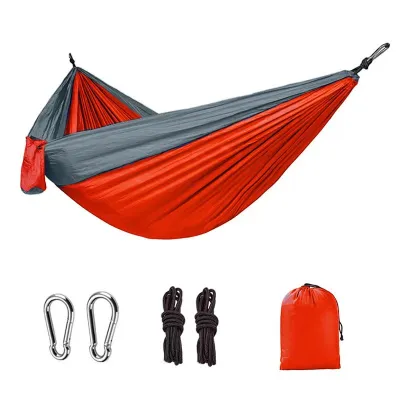
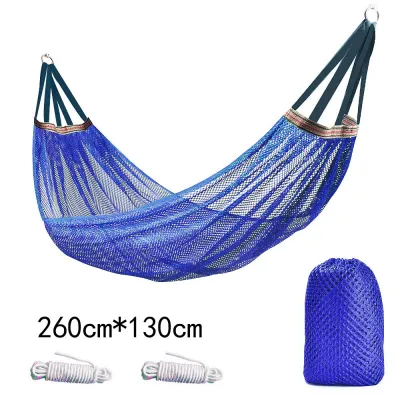

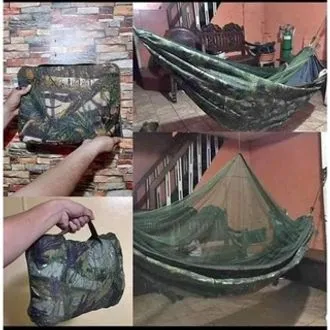
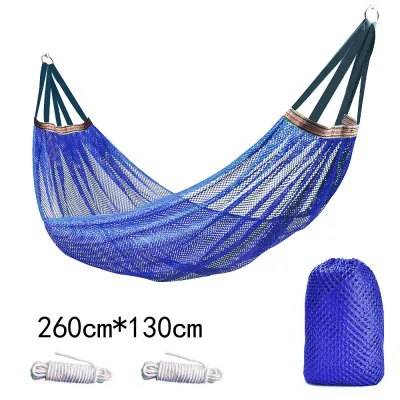
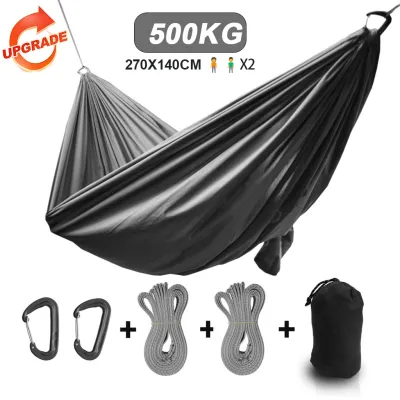

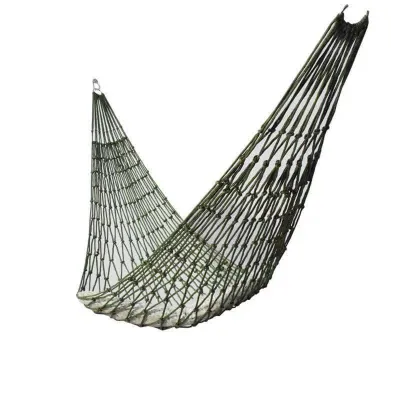
Prices are valid at publication and may change. Please refer to the product page for the latest price.
A frequent mistake is looking only at the fabric dimensions listed on product packaging. A fabric bed that measures 2 meters long often requires a stand that stretches 2.5 to 3 meters in total length to keep the fabric suspended at a usable height. Always look for the manufacturer’s specified total assembled length and base width to verify if the entire metal or wooden frame can sit flat on your balcony floor without overhang.
Portable Hammock Types and Dimensions for Compact Spaces
When shopping on an online marketplace or at a local home improvement store, you will generally choose between two main designs: a freestanding horizontal hammock with a self-supporting frame, or a vertical hanging hammock chair. Freestanding models allow you to lie down fully, but they demand a significantly larger horizontal footprint. If your balcony is narrow and long, a compact double-hook frame might fit, provided you verify the base width does not exceed the narrowest point of your floor.

For exceptionally tight balconies, a hanging hammock chair is often the more practical alternative. Instead of stretching out horizontally, these chairs suspend you in a semi-upright seated position, requiring a fraction of the floor space. Some hammock chairs come with their own compact, C-shaped vertical stands, while others are designed to hang from a single overhead anchor point. If you choose a model with a vertical stand, check the base diameter to ensure it fits comfortably within your balcony’s boundaries.
Always cross-reference the manufacturer’s product manual for the exact assembled dimensions before making a purchase. Look for detailed schematics showing the height, width, and depth of the frame when fully set up. Because balcony layouts vary widely, having these precise numbers allows you to tape out the footprint on your balcony floor using painter’s tape to visualize the physical space the item will occupy.
Portability is another critical factor for apartment living. Look for models featuring foldable, collapsible, or nesting steel tubes that can be assembled and disassembled without complex tools. A frame that easily breaks down into a carrying bag allows you to reclaim your balcony space instantly when hosting guests, drying laundry, or preparing for incoming tropical storms.
Weight Capacity and Structural Safety Checks
Safety on a high-rise balcony is paramount, making it essential to verify the weight capacity of any portable hammock before use. Check the manufacturer’s product label or instruction manual for the maximum weight limit, and ensure this limit comfortably accommodates the weight of anyone planning to use it. Never exceed this rating, as overloading can cause metal fatigue, joint failure, or sudden fabric tearing.
It is highly discouraged to drill hooks, bolts, or anchors directly into your balcony’s concrete walls, ceiling, or structural columns. In most Philippine condominium developments, drilling into exterior structural elements is strictly prohibited by building management due to waterproofing and structural integrity concerns. Even if permitted, you must have the structural load capacity verified by a licensed professional engineer before installing any heavy-duty anchor bolts.
If you opt for a freestanding stand, pay close attention to the stability of the base on your specific flooring. Balcony floors in the Philippines are frequently finished with smooth ceramic or porcelain tiles that can become slippery when wet or humid. Check that the stand features non-slip rubber feet or protective end caps to prevent the frame from sliding or tipping when you get in and out. A wider, low-profile base generally offers better stability on tiled surfaces.
Space-Saving Placement and Storage Tips
When positioning your hammock, always prioritize clear walkways and emergency exit paths. The hammock must not block the path to utility areas, fire escapes, or the main balcony door. In the event of an emergency, you need to be able to step onto and off the balcony without tripping over metal bars or loose fabric straps. Keeping a clear perimeter around the hammock also prevents accidental trips during daily household chores.
The tropical climate in the Philippines presents unique challenges for outdoor furniture, characterized by intense sunlight, high humidity, and sudden heavy downpours. To prevent rust on steel frames and mold or color fading on the fabric bed, do not leave your hammock exposed to the elements indefinitely. Use a fitted, waterproof outdoor cover when the hammock is not in use, or simply detach the fabric portion and store it indoors.
When severe weather or typhoons are forecasted, completely disassemble the portable stand and move all components inside your apartment. High winds can easily catch the fabric or lift a lightweight metal frame, turning it into a dangerous projectile that could damage your glass doors or fall over the railing. Follow the manufacturer’s step-by-step disassembly instructions to fold the frame down safely, and store it in a dry closet or utility area to prolong its lifespan.
Frequently Asked Questions (FAQ)
Can I hang a hammock from my apartment balcony railing?
No, you should never hang a hammock from an apartment balcony railing. Balcony railings are designed to serve as safety barriers to prevent falls, not to support the dynamic, lateral pulling forces exerted by a suspended human body. Attaching straps or ropes to railings can cause structural bending, weld failures, or complete detachment of the railing from the concrete slab, posing an extreme safety hazard. Additionally, condominium house rules almost universally prohibit anchoring any furniture or recreational equipment to balcony railings.
What is the minimum clearance needed above a freestanding hammock?
The minimum clearance needed above a freestanding hammock depends entirely on the specific model’s design and height. You must consult the manufacturer’s product manual to find the exact vertical clearance required for safe operation. Generally, you should ensure there are no low-hanging light fixtures, ceiling fans, hanging plants, or low balcony eaves directly above the hammock’s arc of motion to prevent head injuries when sitting up or swinging.
Are hammock chairs better than traditional hammocks for small balconies?
Hammock chairs are often much better suited for small balconies because they utilize vertical space rather than horizontal floor area. A traditional horizontal hammock requires a long, wide footprint that can completely dominate a compact balcony, leaving no room for movement. In contrast, a hammock chair allows you to sit comfortably while enjoying the outdoors, leaving plenty of floor space open for other uses. However, you must still verify that your balcony ceiling or a dedicated vertical stand can safely accommodate the specific hanging requirements of the chair.

Community discussion
Share your experience or ask a question. Comments are reviewed before publication.