
Living in a compact condominium in the Philippines often requires creative spatial planning, especially when hosting guests or setting up a multi-functional room. A portable folding bed single is an excellent solution for maximizing limited square footage, but finding one that fits comfortably without blocking daily movement requires careful calculation. Condo bedrooms, which typically range from 8 to 12 square meters, leave very little margin for error when introducing temporary furniture. Selecting the wrong size can quickly turn a cozy sleeping space into a cramped, impassable obstacle course.
To make an informed decision, you must look beyond the simple ‘single’ label on a product listing. You need to analyze how the bed interacts with your room’s physical boundaries, existing furniture, and daily traffic patterns. By taking precise measurements of your usable floor space, understanding the difference between mattress size and frame footprint, and planning for adequate clearance, you can ensure your temporary sleeping arrangement is both comfortable and practical.
Measure Your Bedroom's Usable Floor Space
Before browsing online marketplaces or local showrooms, you must determine the actual, unobstructed floor area in your bedroom. Condo units in the Philippines frequently feature structural columns, protruding wall beams, and built-in fixtures that significantly reduce the theoretical square footage of the room. Relying on the developer’s floor plan is rarely sufficient, as these diagrams often omit the exact dimensions of baseboards, window sills, and wall-mounted units.
Products mentioned in this guide
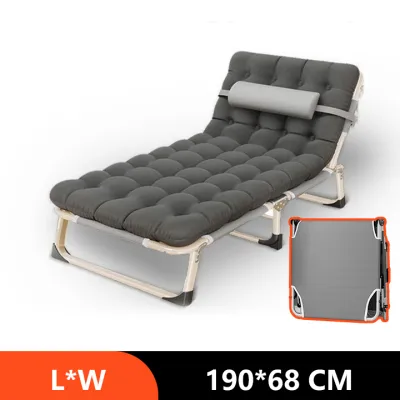
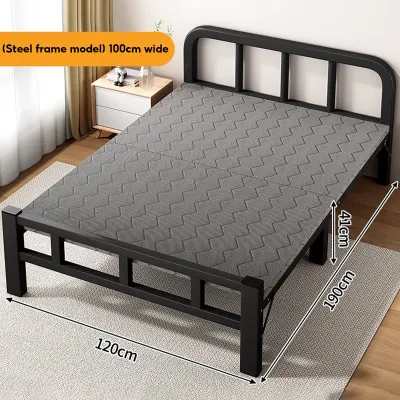
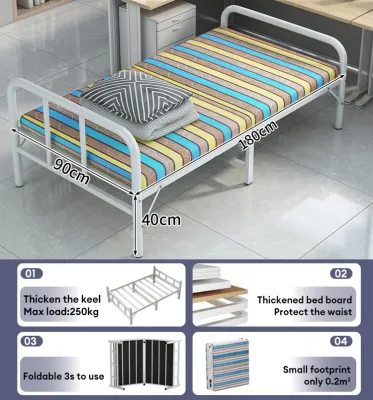
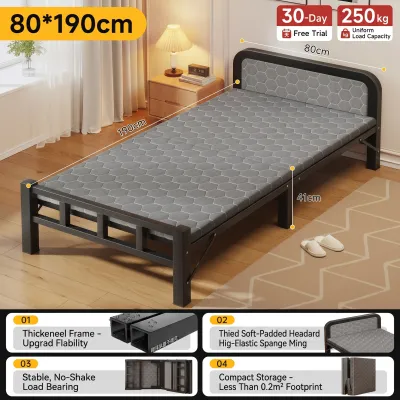
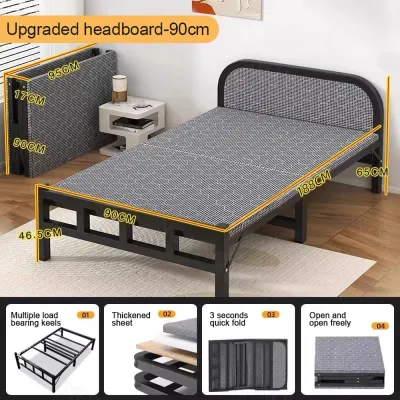
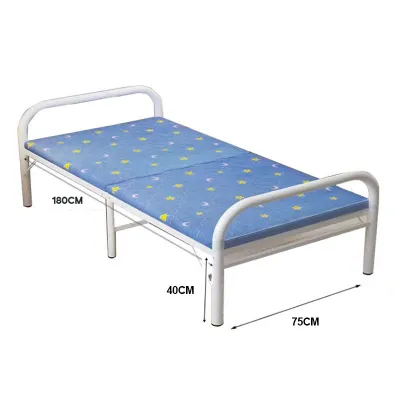
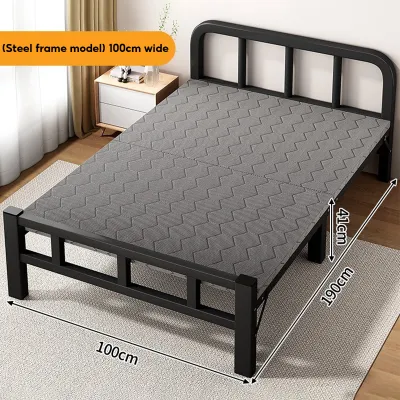
Prices are valid at publication and may change. Please refer to the product page for the latest price.
Begin by clearing the floor of any temporary items and using a metal measuring tape to map out the specific zone where you intend to unfold the bed. Measure the length and width of this clear area from wall to wall, making sure to subtract the depth of any permanent obstacles. Built-in wardrobes, low-hanging air conditioning units, and wall-mounted vanity tables all restrict where a bed can safely lie. If your room has a structural column in the corner, measure the distance from the edge of that column to the opposite wall rather than measuring the entire wall length.
You must also account for the operational clearance of moving parts within the room. Draw a mental arc of your bedroom door’s swing path and measure the distance to ensure the unfolded bed will not block the door from opening fully. This is not just a matter of convenience; a blocked door is a serious safety hazard in an emergency. Similarly, check the clearance of sliding or swinging wardrobe doors, desk drawers, and balcony access points to ensure they can still function when the bed is in use.
Understand Single Folding Bed Dimensions and Footprints
When shopping for a portable folding bed single, it is easy to confuse the advertised mattress size with the actual space the entire unit occupies. A standard single mattress in the Philippines typically measures approximately 91 centimeters wide by 190 centimeters long (36 by 75 inches). However, the metal or wooden frame that supports this mattress almost always extends beyond these dimensions to accommodate folding mechanisms, hinges, headboards, and safety locks.

To avoid spatial conflicts, you must carefully review the manufacturer’s specification sheet for the total unfolded footprint. The frame’s outer dimensions can add anywhere from 5 to 15 centimeters to both the length and width of the bed. For instance, a folding bed with an integrated headboard or a built-in storage shelf will require significantly more longitudinal clearance than a simple, low-profile platform frame. Always use the maximum frame dimensions, rather than the mattress dimensions, when mapping out the bed’s position on your bedroom floor.
Equally important are the folded dimensions of the bed, which dictate how and where it can be stored when not in use. A portable bed is only useful if it can be tucked away easily to reclaim your floor space during the day. Check the folded height, width, and depth of the unit. Some models fold in half vertically and stand on casters, while others fold flat to be slid under an existing bed or sofa. You must verify that the folded depth is slim enough to fit into your designated storage niche without protruding into active living zones.
Additionally, consider the physical weight of the folding bed and the materials used in its construction. Heavy steel frames with thick wooden slats offer excellent stability but can be difficult to maneuver, especially across carpeted floors or over door thresholds. Lightweight aluminum frames are easier to lift and roll but may have lower weight capacities or feel less sturdy. Look for models with high-quality, lockable caster wheels that allow you to transport the bed smoothly without scratching your condo’s laminate or vinyl flooring.
Calculate Clearance for Movement and Existing Furniture
A bedroom must remain functional even when a temporary bed is fully deployed. To maintain a comfortable living environment, you must calculate the clearance around the perimeter of the folding bed. Standard interior design guidelines recommend a minimum walking clearance of 60 centimeters (approximately 24 inches) around the sides and foot of a bed. This space allows an adult to walk comfortably without shuffling sideways or bumping into walls and other furniture.
In a tight condo bedroom, maintaining a 60-centimeter clearance on all sides may not always be feasible. If space is exceptionally tight, you can prioritize clearance on the side used for getting in and out of bed, while pushing one side of the frame flush against a wall. However, if you choose to place the bed against a wall, ensure that the wall surface is protected from friction and that the user does not block access to essential wall outlets, light switches, or air conditioning controls.
You must also evaluate how the unfolded bed interacts with your existing furniture layout. If you have a bedside table, a study desk, or an accent chair, ensure that the bed does not pin these items into corners or render them unusable. For example, if a desk chair must be pushed completely under the desk to accommodate the bed, verify that there is still enough room for someone to sit if necessary. If the bed blocks access to your luggage storage or laundry hamper, you may find the arrangement highly frustrating over a multi-day stay.
When space is limited, you will inevitably face a trade-off between maximizing the sleeping surface and preserving room circulation. While a wider semi-double or double folding bed might offer more sleeping comfort, it can easily overwhelm an 8-square-meter room, leaving no space to walk. Choosing a compact single folding bed is often the more practical decision, as it preserves the room’s flow and prevents the space from feeling claustrophobic. Prioritizing movement ensures that the room remains a relaxing sanctuary rather than a cluttered storage zone.
Verify Doorway, Hallway, and Storage Constraints
The journey of your portable folding bed single begins long before it is unfolded in your bedroom. You must ensure that the packaged or folded unit can actually navigate the journey from the delivery truck to its final resting place inside your condo. Many condo buildings in the Philippines have narrow hallways, tight stairwell turns, and compact passenger elevators that can present significant obstacles for bulky furniture deliveries.
Start by measuring the width and height of your building’s elevator doors and the interior cabin space. If the folding bed is delivered fully assembled or in a large, non-bendable box, it must fit inside the elevator cabin without exceeding the weight limit or blocking the doors. If your building does not have an elevator, or if the elevator is temporarily out of service, you must measure the clearance of the stairwell landings to ensure two delivery personnel can safely carry the item up the stairs.
Next, measure the entryways within your own unit. This includes the main entrance door, any hallway corridors, and the bedroom door itself. Standard condo interior doors are often narrower than main entrance doors, sometimes measuring only 70 to 80 centimeters wide. Compare these measurements against the folded width and depth of the bed. If the folded bed is wider than your doorway clearance, you will be forced to unpack and assemble the bed inside the room, which can be highly inconvenient if you plan to move the bed between different rooms in the future.
Finally, identify a dedicated, permanent storage footprint for the bed when it is not in use. If you plan to store it in a wardrobe, measure the interior shelf depth and height to ensure the folded unit fits completely behind closed doors. If you intend to slide it under an existing master bed, measure the vertical clearance from the floor to the bottom of the bed frame. For corner storage, ensure the folded bed can be securely anchored or positioned so that it does not pose a tip-over hazard, especially in households with active pets or young children.
Common Sizing Mistakes to Avoid
One of the most frequent errors condo dwellers make is assuming that a ‘single’ size is uniform across all brands and manufacturers. Because there are no universal global standards for folding bed dimensions, a single bed from an import brand may differ significantly in length and width from a locally manufactured model. Always rely on exact centimeter or inch measurements provided in the product specifications rather than generic size labels.
Another common oversight is ignoring vertical clearance and the overall height of the bed when unfolded. While floor space is the primary concern, the height of the mattress relative to the floor affects how easy it is to sit up, get out of bed, and move around. If the bed is too low, older adults may find it difficult to stand up; if it is too high, it can make a small room feel visually crowded. Additionally, ensure the bed is not positioned directly beneath low-hanging ceiling fans, pendant lights, or wall-mounted shelves that could cause head injuries when sitting up.
Finally, do not sacrifice structural stability and weight capacity for a smaller footprint. Some ultra-compact folding beds achieve their small size by using thinner metal frames or fewer support legs, which can compromise the bed’s stability and longevity. Always check the manufacturer’s specified weight limit to ensure the frame can safely support the intended user, including the weight of the mattress and bedding. A bed that fits perfectly but feels unstable or squeaks with every movement will ultimately fail to provide a restful night’s sleep.
Frequently Asked Questions (FAQ)
Does mattress thickness affect the folded storage size?
Yes, the thickness of the mattress directly impacts the overall depth and weight of the bed when it is folded. While a thicker, high-density foam or pocket-spring mattress offers superior sleeping comfort, it requires a wider folding hinge, which increases the folded depth of the frame. This extra thickness can make it difficult to slide the bed under low furniture or store it inside shallow closets.
Before purchasing, always check the total folded dimensions, which should include the mattress compressed within the frame. If you have a very limited storage niche, such as a 20-centimeter gap behind a wardrobe, you may need to opt for a model with a thinner, high-density foam mattress (around 5 to 8 centimeters thick) to ensure it fits comfortably without forcing the frame open or damaging the fabric.

Community discussion
Share your experience or ask a question. Comments are reviewed before publication.