
To comfortably seat 6 to 10 people, a solid wood dining table must provide enough personal space while fitting harmoniously within your room. The baseline rule is to allocate 60 to 70 centimeters of table width per person. This ensures guests can eat and converse without feeling cramped. For place setting depth, each diner requires 35 to 40 centimeters, leaving a shared central zone of 20 to 30 centimeters for serving dishes and centerpieces.
When scaling from 6 to 10 diners, the physical footprint increases significantly. A standard rectangular table for 6 measures 150 to 180 centimeters in length. To accommodate 10 people, the table length must expand to 240 to 300 centimeters. This dramatic increase means a table designed for 10 will dominate a room, requiring careful spatial planning.
Beyond length, the physical construction of the solid wood dining table with chairs directly impacts capacity. Thick table tops and deep under-table aprons can restrict vertical legroom, making it difficult to tuck chairs in fully. Furthermore, leg placement plays a critical role. A traditional four-legged table restricts seating at the corners, whereas a pedestal or trestle base allows for flexible chair placement, making it easier to squeeze in extra guests.
Products mentioned in this guide
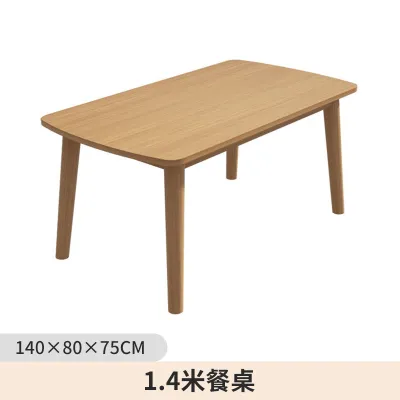
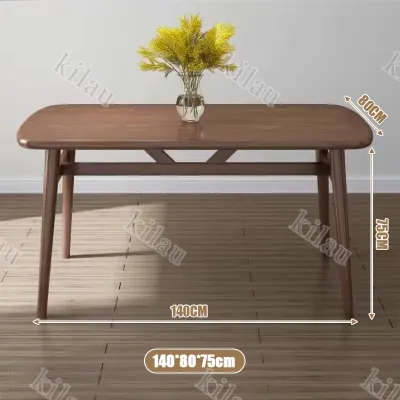
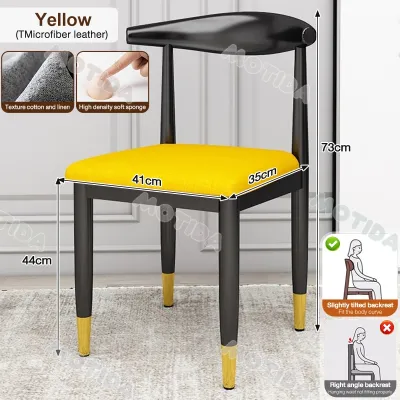
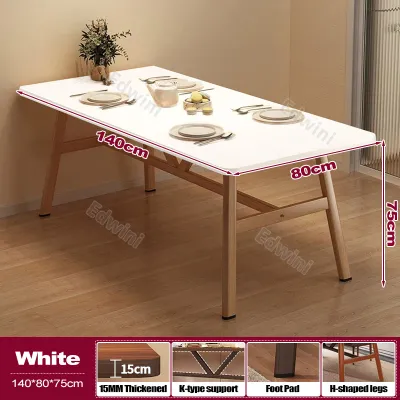
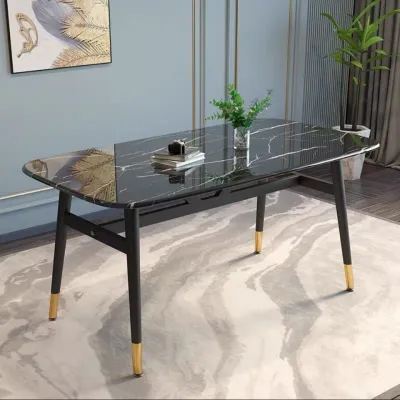
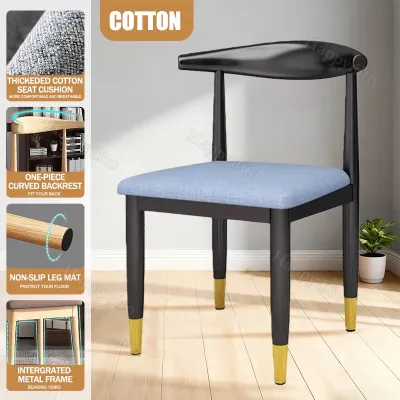
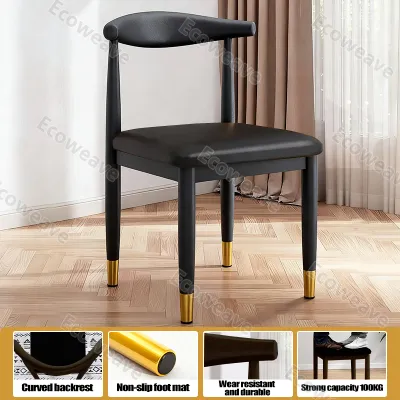
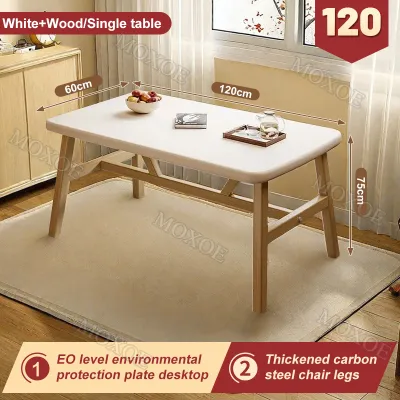
Prices are valid at publication and may change. Please refer to the product page for the latest price.
Measuring Your Dining Room for Clearance and Traffic Flow
A table that fits your guests must also fit your room. To prevent a cramped dining experience, measure the clearance around the table. Maintain a minimum of 90 centimeters of open space between the edge of the table and the nearest wall or sideboard. This clearance allows diners to pull their chairs out and stand up without bumping into physical barriers.
When hosting up to 10 people, traffic flow behind seated guests is a major factor. If you plan to serve food while guests are seated, increase the clearance to 120 centimeters along major pathways. This extra space provides a comfortable walkway for carrying serving platters without forcing guests to tuck themselves in. In tropical climates like the Philippines, where open-plan living is highly valued, maintaining these generous walkways also helps preserve a breezy, uncluttered atmosphere.
To map your usable floor area before purchase, follow a systematic layout check. First, measure the wall-to-wall dimensions of the room. Next, identify permanent obstacles such as columns, swinging doors, or floor outlets. Use painter’s tape on the floor to mimic the exact dimensions of the prospective table. Leave this mock-up in place for a day or two, walking around it to physically experience how the table size affects your daily movement.
Matching Table Shapes to Your Room Layout and Seating Goals
The shape of your solid wood dining table determines how efficiently it uses your floor plan. Rectangular tables are the traditional choice for seating 6 to 10 people, especially in long, narrow dining rooms. They align naturally with parallel walls, maximizing linear seating along the sides and allowing you to place chairs at both ends. This shape is highly efficient for structured dining layouts and works exceptionally well when paired with dining benches on one side to save space.

For square rooms or open-concept spaces, round and oval tables offer distinct advantages. Oval tables soften the visual lines of a room and eliminate sharp corners, making navigation safer. Round tables are celebrated for creating an intimate dining experience, as every guest can see and converse with everyone else. However, seating 10 people at a round table requires a massive diameter of at least 180 to 210 centimeters, which presents unique practical challenges.
Large round tables require a massive central pedestal base to remain stable, which can severely limit legroom. Additionally, the center of a very wide round table becomes a distant zone that is difficult to reach during meals. To serve food comfortably, hosts often must install a rotating tray or Lazy Susan, which reduces the usable area for individual place settings. For these reasons, oval or rectangular shapes are generally more practical for hosting up to 10 people.
Fixed vs. Extendable Solid Wood Tables for Flexible Seating
If you host large gatherings occasionally but dine with a smaller household daily, choosing between a fixed-size table and an extendable model is a key decision. A fixed solid wood table offers unmatched structural integrity and a consistent aesthetic, but it permanently occupies a large footprint. An extendable solid wood table provides excellent flexibility, allowing you to keep the table compact for daily use and expand it only when hosting up to 10 guests.
Extendable tables utilize various mechanisms, each with specific trade-offs for solid wood construction. Butterfly leaves fold and store neatly inside the table frame, protecting them from damage and saving storage space. Removable insert leaves offer a traditional extension method but require separate storage in a closet, where they must be protected from warping. Drop-leaf designs are simple but often leave hanging panels that can interfere with legroom when folded down.
When evaluating an extendable solid wood table, pay close attention to structural stability and weight distribution. Solid wood is heavy, and extending the table can put significant stress on the center joints. Ensure the table features robust wooden or metal runners and that the legs slide outward to the ends when extended, which provides superior support. Additionally, because natural wood changes color when exposed to sunlight, stored extension leaves may eventually show a slight color mismatch compared to the main tabletop.
Delivery, Assembly, and Structural Checks Before Purchase
Before finalizing your purchase of a large solid wood dining table with chairs, you must plan for its arrival and installation. Solid wood furniture is exceptionally heavy and rigid, meaning it cannot be bent or squeezed through tight spaces. Measure every doorway, hallway, stairwell, and elevator cabin along the delivery path to ensure the packaged table can safely reach your dining room. Pay special attention to low ceilings and sharp turns in stairwells, which frequently block large furniture deliveries.
The sheer weight of a solid wood table seating up to 10 people requires proper floor support. Ensure your flooring is level to prevent the table from wobbling, which can strain the joints over time. Use heavy-duty felt or rubber protective pads under the table legs to prevent scratching on hardwood, tile, or laminate floors. If your dining room floor has a slight slope, look for tables equipped with adjustable leveling feet.
Finally, review the manufacturer’s assembly instructions and hardware specifications. High-quality solid wood tables should use robust metal-to-metal bolt connections rather than simple wood screws, ensuring the joints remain tight even after years of use and seasonal humidity changes. Verify if the table requires professional assembly, and check the warranty terms regarding the extension mechanisms and structural joints, as these moving parts are critical to the table’s long-term durability.
Frequently Asked Questions (FAQ)
How do I protect a large solid wood table from heat and moisture damage?
To preserve the natural beauty of your solid wood table, always use protective barriers during meals. Place heat-resistant trivets under hot serving dishes, and use absorbent coasters under cold drinks to prevent condensation rings. Wipe up spills immediately with a soft, dry microfiber cloth to prevent moisture from penetrating the wood grain. Always refer to the manufacturer’s specific care guidelines, as different finishes—such as polyurethane, lacquer, or natural oils—require distinct cleaning products and maintenance routines.
Can I mix and match chairs with a solid wood dining table?
Yes, mixing and matching chairs can create a highly personalized and curated dining space. The most critical factor is ensuring ergonomic compatibility: measure the distance between the chair seat and the underside of the table apron to guarantee at least 25 to 30 centimeters of legroom. To maintain visual harmony, coordinate the chairs by choosing a consistent design element, such as matching the wood tone, sharing a similar silhouette, or balancing the visual weight of the chairs with the scale of the table.

Community discussion
Share your experience or ask a question. Comments are reviewed before publication.