
To choose the right size storage cabinet for books, you must balance your current collection’s physical volume and weight with the precise dimensions of your room, accounting for local environmental factors like humidity and ventilation. A successful choice requires calculating the total linear shelf space your books occupy, measuring your floor and wall clearances, and verifying that the cabinet’s structural limits can handle the heavy load of paper without sagging or tipping.
Assess Your Book Collection's Volume and Weight Needs
Determining the right cabinet size begins with a thorough audit of your current book collection. Gather your books and categorize them by physical dimensions, separating standard paperbacks, larger hardcovers, and oversized volumes like art books or reference manuals. Standard paperbacks typically require a shelf depth of at least 15 to 20 centimeters, while large hardcovers and textbooks need 25 to 30 centimeters of depth to sit comfortably without protruding.
Once categorized, you can estimate the total linear shelf space required to house your collection. Measure the thickness of a typical stack of your books, or line them up on a table to measure the total length they occupy from end to end. For example, if your accumulated paperbacks span three linear meters, you will need a cabinet that offers at least that much total shelf length. It is highly practical to add a buffer of 15% to 20% to this calculation to accommodate future acquisitions, preventing the immediate need for an additional storage unit.
Products mentioned in this guide
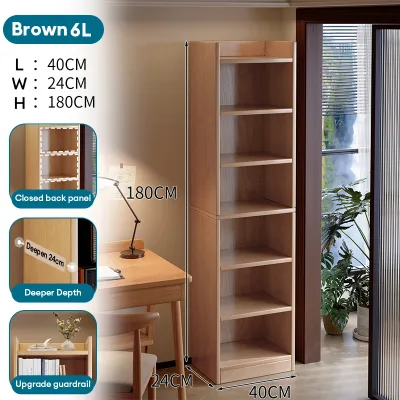
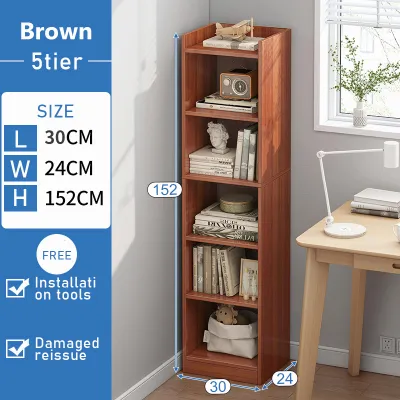
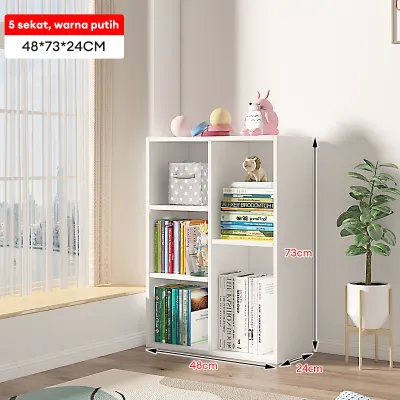
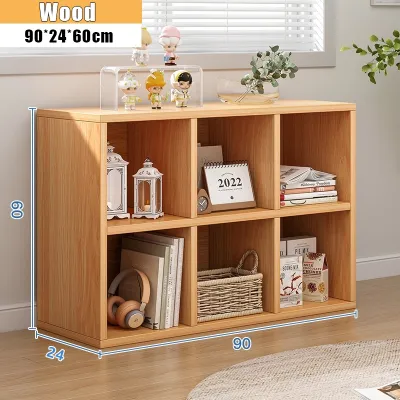
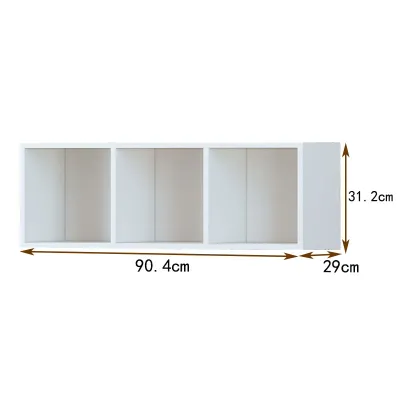
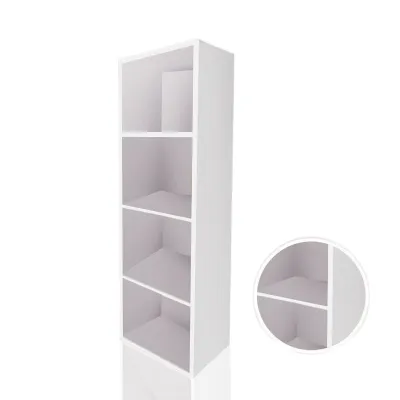
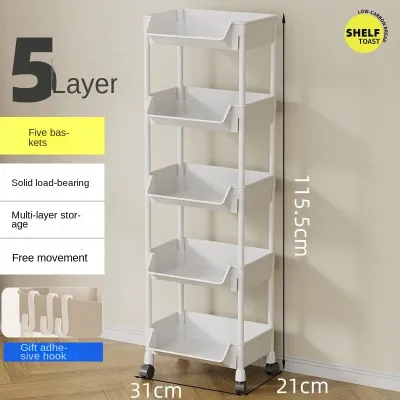
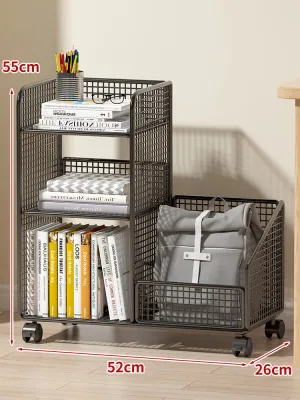
Prices are valid at publication and may change. Please refer to the product page for the latest price.
Weight capacity is another critical factor that is often underestimated when selecting furniture for book storage. Paper is exceptionally dense, and a shelf packed tightly with heavy textbooks or academic journals can easily carry a significant load. Before making a purchase, check the manufacturer’s product specifications to verify the maximum weight limit per shelf. Standard shelves may support around 10 to 15 kilograms, whereas reinforced or thicker solid wood shelves can handle heavier loads. Ensuring your collection falls safely within these limits prevents structural damage and keeps your books secure.
In tropical environments like the Philippines, high humidity can cause book pages to absorb moisture, slightly increasing both their physical volume and their overall weight. This environmental factor makes it even more important to avoid overloading shelves and to choose materials that resist warping under sustained weight and moisture.
Measure Your Available Floor and Wall Space Accurately
Before browsing online marketplaces or visiting local furniture showrooms, you must map out the physical boundaries of the room where the cabinet will stand. Use a reliable metal tape measure to record the exact width, height, and depth of the intended placement area. Do not rely on visual estimates, as even a discrepancy of a few millimeters can prevent a pre-assembled cabinet from fitting into a designated alcove or corner.

When measuring the wall space, pay close attention to architectural features that might obstruct the cabinet or reduce the usable footprint. Baseboards along the bottom of the wall often prevent a flat-backed cabinet from sitting completely flush against the wall, which can affect stability and alignment. Take note of the locations of wall outlets, light switches, window sills, and ventilation grilles. Covering an outlet can restrict access to power, while placing a tall cabinet too close to a window might block natural light or interfere with window treatments.
Equally important is measuring the entire delivery pathway from the entrance of your home to the final room. Measure the height and width of all doorways, narrow hallways, stairwells, and elevator cabins that the cabinet must pass through during delivery. Many homeowners purchase a beautiful, fully assembled wooden cabinet only to find it cannot clear the tight turn in a condominium stairwell or fit inside a standard residential elevator. If your access pathways are highly restricted, a flat-pack cabinet that you assemble inside the room or a modular system may be the most practical solution.
Match Cabinet Dimensions to Your Room Layout
The layout of your room plays a major role in determining whether a tall, narrow cabinet or a wide, low unit is the better choice. Tall, narrow cabinets are excellent for maximizing vertical space, making them ideal for compact study rooms, bedrooms, or studio apartments where floor space is limited. These units draw the eye upward, creating the illusion of higher ceilings while keeping the floor clear for other furniture.
Conversely, wide and low storage cabinets are highly suited for placement under windows, along the back of a sofa, or as functional room dividers in open-plan living spaces. A low cabinet keeps the sightlines open, making the room feel more spacious and airy. The top surface of a low cabinet also provides a convenient area for displaying decorative items, table lamps, or frequently accessed reference books.
Adjustable shelving is a highly desirable feature to look for when comparing cabinet designs. Fixed shelves often result in wasted vertical space, especially when storing a mix of short paperbacks and tall novels. Cabinets with adjustable shelf support pegs allow you to customize the height of each compartment to match the exact dimensions of your books, maximizing storage efficiency and preventing dust from settling in large empty gaps above the books.
Your choice between freestanding, wall-mounted, or modular styles should align with your living situation and wall structure. Freestanding cabinets offer the greatest flexibility, allowing you to rearrange your room layout or take the furniture with you if you move. Wall-mounted shelves save valuable floor space but require secure anchoring into concrete walls or sturdy wall studs. Modular systems offer a customizable middle ground, allowing you to start with a single unit and add matching sections as your book collection expands over time.
Verify Clearances, Pathways, and Safety Limits
A well-positioned storage cabinet must not interfere with the daily flow of traffic or the functionality of other items in the room. When planning the placement, ensure there is adequate clearance to fully open cabinet doors or pull out drawers. If you choose a cabinet with hinged glass doors to protect your books from dust and humidity, measure the door swing radius to ensure it does not collide with nearby desks, chairs, or doorways. For tight spaces, cabinets with sliding glass doors or open shelving are highly practical alternatives that eliminate door swing concerns.
Maintain clear and comfortable walking pathways around the cabinet to prevent tripping hazards and ensure easy navigation. In high-traffic areas, a clearance of at least 70 to 90 centimeters is recommended to allow people to walk past comfortably without bumping into the furniture. This is particularly important in multi-functional spaces where a study area shares space with a living room or bedroom.
Safety is a paramount consideration, especially for tall freestanding cabinets that can become top-heavy when loaded with books. To prevent accidental tipping, tall units should always be securely anchored to the wall. Review the manufacturer’s assembly instructions to identify the recommended anchoring hardware, such as L-brackets or safety straps, and ensure they are compatible with your wall type. If you are renting your home and cannot drill into the walls, a lower, wider cabinet with a low center of gravity is a much safer choice than a tall, narrow bookcase.
In tropical climates, leaving a small gap of approximately 2 to 5 centimeters between the back of the cabinet and the wall is a wise practice. This gap promotes air circulation, which helps prevent the buildup of stagnant air, moisture, and mold behind the unit, protecting both your furniture and your valuable book collection from humidity damage.
Common Sizing and Placement Mistakes to Avoid
One of the most frequent mistakes when choosing a storage cabinet for books is ignoring the depth of the unit. While buyers often focus on width and height to ensure the cabinet fits the wall, an excessively deep cabinet can protrude into walkways, blocking foot traffic or preventing nearby doors from opening fully. Conversely, a cabinet that is too shallow will force larger books to overhang the shelves, creating an untidy appearance and increasing the risk of books falling.
Another common error is overloading shelves beyond the manufacturer’s specified weight capacity. Over time, excessive weight causes shelves to bow or sag in the middle, which permanently damages the structural integrity of the cabinet and can eventually lead to a sudden collapse. To avoid this, distribute heavier books, such as encyclopedias and textbooks, across the bottom shelves of the cabinet, and place lighter paperbacks on the upper shelves. This distribution also lowers the unit’s center of gravity, enhancing overall stability.
Finally, failing to measure the delivery path remains a major source of post-purchase frustration. Even if a cabinet fits perfectly within your study room, it is useless if it cannot be transported through your front door or up your apartment building’s staircase. Always verify the packaged dimensions of the cabinet before purchasing, and compare them against your home’s entryways to ensure a smooth and hassle-free delivery process.
Frequently Asked Questions (FAQ)
How much extra space should I leave around a freestanding book cabinet?
When installing a freestanding storage cabinet, it is highly recommended to consult the specific product manual for any manufacturer-recommended clearance guidelines. As a general practice, leaving a gap of 2 to 5 centimeters between the back of the cabinet and the wall helps facilitate air circulation, which is crucial for preventing moisture buildup and mold growth in humid climates. This small space also makes it easier to clean behind the unit and prevents the cabinet from rubbing against the wall, protecting your paintwork from scratches.
Can I use a standard storage cabinet for heavy textbook collections?
Before using a standard storage cabinet for heavy textbooks, you must verify the specific load-bearing rating per shelf on the product label or manufacturer specifications. Standard cabinets designed for general household storage may not have the structural reinforcement required to support dense academic books without sagging. If you have a large collection of heavy textbooks, look for cabinets constructed from solid wood or high-density plywood, or choose units with shorter shelf spans and reinforced support brackets to ensure long-term durability and safety.

Community discussion
Share your experience or ask a question. Comments are reviewed before publication.