
Finding the right storage cabinet with drawers for your dining room requires balancing physical floor space with your actual storage needs. A cabinet that is too large restricts movement, making family meals feel cramped, while one that is too small leaves your table linens, cutlery, and serving platters cluttered. To make the right choice, you must measure your dining area’s physical boundaries, calculate active clearances for chairs and drawers, and verify the internal dimensions of the cabinet to ensure your items will actually fit.
Assess Your Dining Space and Clearances
Start by measuring the designated wall where the cabinet will stand. Use a metal measuring tape to find the maximum width, depth, and height available. Do not just measure wall-to-wall; account for architectural details like baseboards, wall trim, electrical outlets, and light switches. Baseboards can push a cabinet several centimeters away from the wall, increasing its effective depth.
Next, calculate the necessary walkway clearances. In a standard dining room, you need comfortable pathways so family members can move around even when people are seated. Ideally, maintain a clearance of at least 90 to 120 centimeters between the edge of your dining table and the front of the cabinet. This allows someone to walk behind a seated person without forcing them to squeeze past.
Products mentioned in this guide
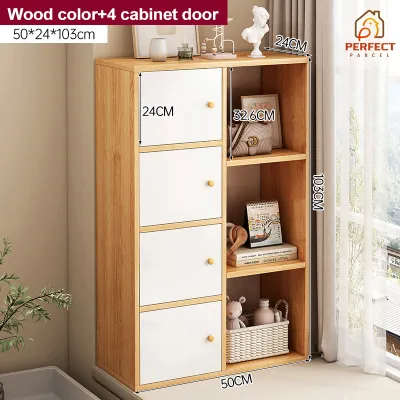
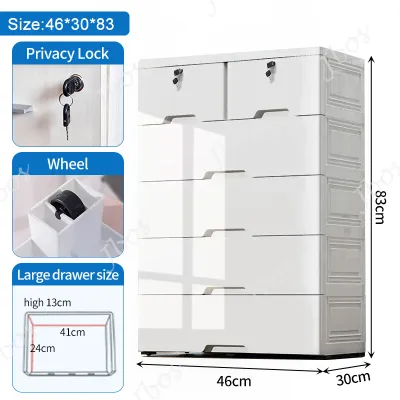
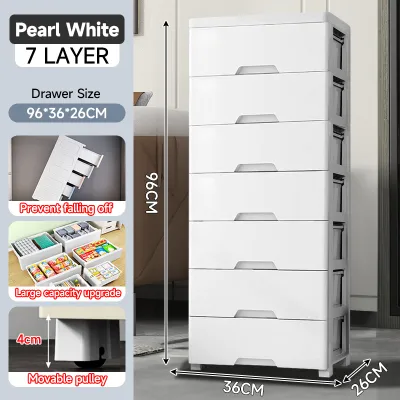
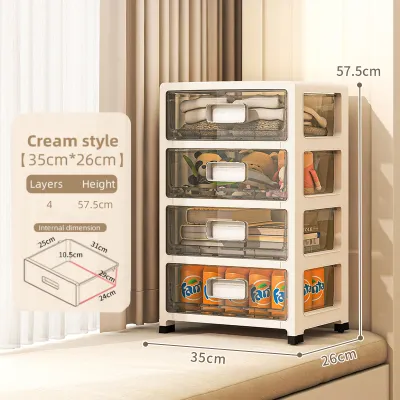
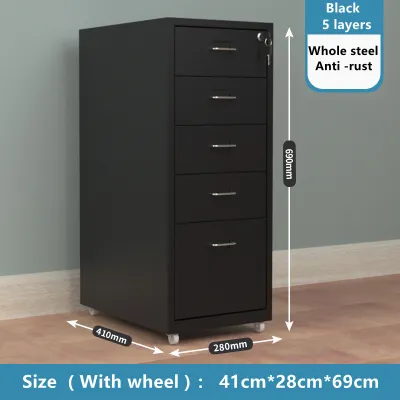

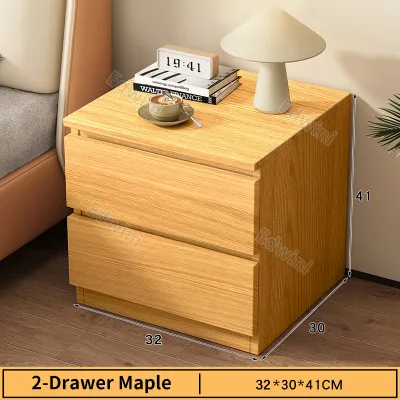
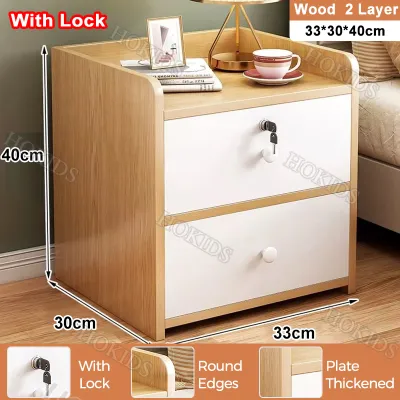
Prices are valid at publication and may change. Please refer to the product page for the latest price.
Finally, factor in the drawer extension. A storage cabinet drawer must be able to open fully without hitting the dining chairs, table legs, or adjacent walls. Measure the depth of the cabinet with the drawers fully extended. Add at least 50 centimeters of standing room in front of the fully opened drawer so you can comfortably stand, bend down, and retrieve items without feeling trapped.
Determine Your Storage Capacity Needs
Before looking at cabinet designs, take inventory of what you plan to store. Group your dining essentials into categories: daily cutlery, formal silverware, table runners, placemats, heavy serving bowls, and small kitchen appliances like blenders or waffle makers.

Estimate your volume requirements based on how your household lives. A family that hosts regular Sunday gatherings or holiday dinners will need significantly more storage for extra dinnerware sets and large serving platters than a smaller household. If you have extensive collections of glassware or decorative plates, you might want to balance enclosed drawer storage with glass-front display doors or open shelving.
Drawers are highly efficient for items you need to access from above, such as cutlery and linens, while cabinets with doors are better suited for tall pitchers or stacked plates. Finding a configuration that balances these elements ensures you do not waste valuable dining room space on unused or awkward storage compartments.
Evaluate Drawer Configurations and Dimensions
Not all drawers are created equal. When shopping for a storage cabinet drawer unit, look closely at the depth and height of individual drawers. Shallow drawers (around 8 to 12 centimeters deep) are ideal for organizing cutlery trays, napkins, and placemats. Medium drawers work well for folded tablecloths and serving utensils, while deep drawer bins (20 centimeters or more) are necessary for bulky items like casserole dishes or small appliances.
Always verify the internal drawer dimensions rather than relying solely on the cabinet’s external measurements. The drawer sides, back, and bottom panel take up space, and the glide mechanisms can reduce the usable width by several centimeters. If you have a specific heirloom serving platter, measure its length, width, and height, and compare those figures directly with the manufacturer’s internal drawer specifications.
Additionally, check the drawer glide mechanisms and weight capacities. In humid tropical climates, wooden drawer runners can swell and stick, making metal ball-bearing glides a more reliable choice for smooth operation. Ensure the glides are rated to handle the weight of heavy ceramic plates or stoneware. Overloading a drawer beyond its rated capacity can cause the glides to bend, sag, or fail entirely.
Check Delivery, Assembly, and Placement Constraints
A cabinet can only serve your dining room if it can physically get inside your home. Before purchasing, measure the width and height of every doorway, hallway, stairwell, and elevator door the delivery team must navigate. For high-rise condominium residents, checking the clearance of the service elevator is a crucial step that is easily overlooked.
Once inside, consider the floor surface. Ensure your dining room floor is level. Uneven tile grout lines or warped wooden planks can cause a tall cabinet to wobble, putting stress on the joints and preventing drawers from aligning or closing properly. Many modern cabinets feature adjustable leveling feet; check if the model you are considering includes this feature to compensate for minor floor irregularities.
Safety is paramount, especially when dealing with heavy drawer units. When multiple drawers are pulled out simultaneously, the center of gravity shifts forward, creating a severe tip-over hazard. Always check if the manufacturer includes anti-tip anchoring hardware. Securing the cabinet to a concrete or stud wall is highly recommended to prevent accidents, particularly in homes with active children or pets.
Common Sizing Mistakes to Avoid
One of the most frequent errors is failing to account for hardware protrusions. Cabinet depth specifications often measure only the wooden frame. If the drawers feature prominent metal pulls or knobs, they can add two to five centimeters to the overall depth, potentially blocking a narrow walkway or preventing an adjacent door from opening.
Another mistake is ignoring the swing radius of nearby doors, such as pantry doors, kitchen entryways, or even the cabinet’s own swing-out doors if it has a mixed configuration. Ensure that opening these doors does not cause them to collide with your dining chairs or other furniture pieces.
Lastly, do not assume that a cabinet with a large external footprint automatically translates to massive storage. Thick solid wood frames, decorative molding, and heavy-duty drawer glides all eat into the actual usable internal volume. Always subtract these structural clearances to get an accurate picture of what the cabinet can hold.
Frequently Asked Questions (FAQ)
How much space should I leave between the dining table and the cabinet?
For comfortable daily use, leave a minimum of 90 centimeters of clearance between the edge of your dining table and the front of the storage cabinet. This provides enough space for a person to sit comfortably and slide their chair out. If the cabinet features deep drawers that extend far into the room, increasing this clearance to 120 centimeters is highly recommended. This ensures that someone can fully open a drawer and access its contents even while others are seated at the table.
Can I place a storage cabinet with drawers over floor heating or near a radiator?
Placing a wooden storage cabinet directly over active floor heating or right next to a radiator is not recommended. Continuous exposure to localized heat sources causes wood to dry out rapidly, leading to warping, joint separation, and cracked finishes. While floor heating and radiators are uncommon in tropical climates, the same thermal safety rules apply to placing your cabinet near kitchen ovens, stoves, or in the path of intense, direct sunlight. Always consult the manufacturer’s guidelines for minimum clearance distances from any heat-emitting appliances to protect your furniture from structural damage.

Community discussion
Share your experience or ask a question. Comments are reviewed before publication.