
Finding the right steel side table for a compact condominium or studio apartment in the Philippines requires balancing physical footprint, structural durability, and daily utility. Because space is at a premium in urban developments, a side table cannot simply be decorative. It must serve multiple purposes—acting as a workspace, a dining surface, or a storage hub—while resisting the challenges of a humid tropical climate. By focusing on precise measurements, multi-functional designs, and robust finishes, you can select a piece that enhances your living area without causing physical or visual clutter.
Assessing Your Space and Clearance Requirements
Before browsing online marketplaces or visiting local showrooms, you must map out the exact zone where the table will sit. Start by measuring the available floor footprint beside your sofa, armchair, or bed. In tight layouts, even a few centimeters can make the difference between a comfortable walkway and a cramped bottleneck. Look for underutilized dead spaces, such as the narrow gap between a couch armrest and the wall, which can easily accommodate a slim-profile steel table.
Walkway clearances are critical for maintaining a natural flow through your home. As a general rule, aim to keep at least 50 to 60 centimeters of clear space along major pathways to prevent your legs or hips from bumping into furniture. If your side table will stand near a door, balcony entry, or low-reaching cabinet, measure the swing path of these doors to ensure they can open fully without striking the steel frame.
Products mentioned in this guide
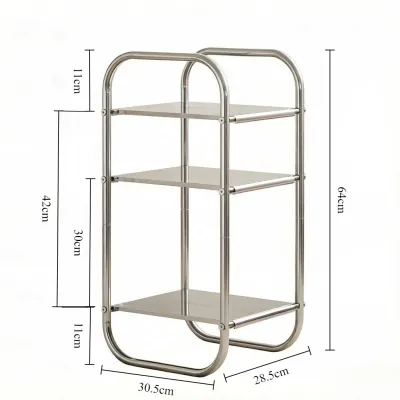

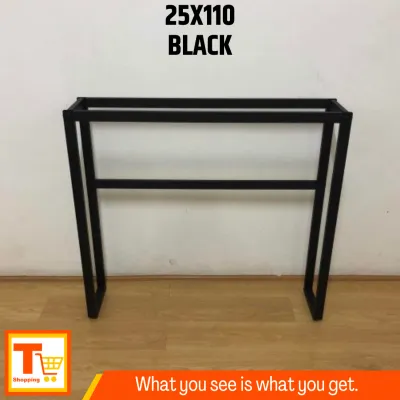
Prices are valid at publication and may change. Please refer to the product page for the latest price.
Do not forget to check vertical clearances. If you plan to position the table beneath a low windowsill, a wall-mounted air conditioning unit, or floating shelves, measure the height from the floor to the bottom of these fixtures. This prevents you from purchasing a table that is too tall to slide into its intended spot, saving you the hassle of returns or awkward rearrangements.
Matching Table Dimensions to Your Seating and Room Scale
A side table should feel like a natural extension of your seating rather than an afterthought. To achieve ergonomic comfort, the height of your steel side table should align closely with the height of your sofa or bed armrest. Ideally, the tabletop should sit within 5 centimeters of the armrest height, allowing you to reach for a glass of water, a book, or a remote control without straining your shoulder or back.

If your seating lacks armrests, match the table height to the seat cushion level instead. This keeps the surface easily accessible while maintaining a clean, low-profile visual line across the room. For tabletop width or diameter, select a size that accommodates your daily essentials—such as a small lamp, a mug, and a phone—without extending past the depth of your sofa. A table that is too deep will awkwardly protrude into the room, disrupting the alignment of your furniture.
Visual weight is just as important as physical dimensions in a small apartment. Solid wooden or bulky plastic tables can make a small room feel dark and congested. In contrast, steel side tables with slender legs, open wireframes, or glass tops allow light to pass through, creating an illusion of openness. Choosing a frame color that matches your walls or existing metal accents can further integrate the piece into your space.
Exploring Space-Saving and Multi-Functional Steel Designs
When floor space is limited, the structural design of your steel table determines its overall utility. C-shaped tables are exceptionally efficient for small layouts. These designs feature an off-center base that allows the bottom frame to slide completely under your sofa or bed, bringing the tabletop directly over your lap. This setup turns a simple side table into a temporary laptop desk or dining tray without occupying any extra floor space in front of the seating.
Nesting tables offer another flexible solution for dynamic living spaces. These sets typically consist of two or three tables of graduating sizes that slide completely underneath one another when not in use. When you host guests or need extra surface area for projects, you can pull the smaller tables out to create a tiered configuration, then tuck them away to reclaim your floor space once the gathering ends. Foldable steel tables provide similar adaptability, allowing you to store the entire unit in a closet or behind a door when it is not needed.
To maximize vertical space, look for steel side tables that incorporate built-in storage features. Models with lower wire shelves, integrated magazine racks, or fabric baskets underneath the main surface allow you to organize books, chargers, and blankets vertically. This keeps your tabletop clear of clutter and eliminates the need for additional storage bins elsewhere in the room.
Verifying Steel Quality, Finish, and Stability
Because steel furniture is a long-term investment, you must verify its construction details through manufacturer specifications and product labels. Start by checking the weight capacity of the table. Even a small side table should have a clearly stated load limit to ensure it can safely support heavy books, ceramic mugs, or decorative items without bending or wobbling.
In the Philippines, high humidity levels can accelerate rust and corrosion on untreated metal. To protect your investment, look for steel tables finished with a durable powder coating or a rust-resistant epoxy paint. These protective layers seal the underlying metal from moisture, making the table much easier to maintain over years of tropical weather. Avoid raw or poorly plated steel finishes that can flake or discolor when exposed to humid air or condensation from cold drinks.
Examine the structural joints and base design for stability. High-quality steel tables feature clean, continuous welds at the joints rather than flimsy screws that can loosen over time. If you are purchasing a flat-pack item, ensure the assembly hardware is robust and includes locking washers. Additionally, look for adjustable leveling feet on the bottom of the legs, which allow you to stabilize the table on slightly uneven tile or wood floors.
Common Sizing and Placement Mistakes to Avoid
One of the most frequent errors in small-space decorating is overestimating the available width beside a sofa. Homeowners often buy a table based on visual appeal alone, only to find that it blocks a high-traffic pathway or crowds the seating. Always double-check your measurements against the actual layout, leaving a comfortable buffer zone for movement.
Another common mistake is ignoring the relationship between the base footprint and the tabletop overhang. A table with a wide, splayed base might offer excellent stability, but if the legs extend far beyond the tabletop, they become a constant tripping hazard in tight quarters. Look for designs where the legs remain flush with or slightly recessed under the tabletop edge to keep pathways clear and prevent stubbed toes.
Finally, mismatching the table height with your seating can lead to daily frustration. A table that is significantly lower than your sofa armrest forces you to bend awkwardly to reach your items, while a table that is too high can block your line of sight and feel imposing. Take the time to measure your existing furniture heights before committing to a purchase, ensuring a seamless and comfortable integration.
Frequently Asked Questions (FAQ)
How do I prevent a steel side table from scratching hard floors?
To protect your tiles, laminate, or hardwood floors from scratches, check if the steel table comes with pre-installed floor protectors. Many manufacturers include plastic caps, rubber feet, or felt pads on the bottom of the legs. If your table lacks these, you can easily purchase aftermarket self-adhesive felt pads or silicone leg caps from local hardware stores. Choose heavy-duty felt for smooth indoor floors, or rubber caps if you need extra grip to prevent the table from sliding when bumped.
What is the best way to clean and maintain powder-coated steel?
Maintaining a powder-coated steel finish requires minimal effort but demands the right approach to avoid damaging the protective layer. Wipe the surface regularly with a soft microfiber cloth dampened with warm water and a few drops of mild dishwashing liquid. Avoid using abrasive scrubbing pads, steel wool, or harsh chemical cleaners containing bleach or ammonia, as these can scratch the finish and expose the underlying steel to moisture and rust. Always dry the table thoroughly with a clean towel after wiping it down.

Community discussion
Share your experience or ask a question. Comments are reviewed before publication.