
Preparing for a lipat bahay requires systematic planning, especially when it comes to securing your household goods for transit. Choosing the right containers from the Handyman official store involves more than just grabbing the largest bins available; it requires matching the structural limits of each box to the weight, fragility, and volume of your belongings. By evaluating your storage needs, verifying key structural features, and applying strategic packing methods, you can safeguard your items against the bumps, humidity, and unexpected challenges of moving day.
Assessing Your Moving Storage Needs Before You Shop
Before heading to the Handyman official store or browsing their online catalog, you must conduct a thorough inventory of your household items. Categorizing your belongings by weight and fragility is the first step in preventing transit damage. Heavy, dense items like books, kitchen tools, and small appliances must be separated from delicate glassware, electronics, and decorative ornaments. Mixing heavy and fragile items in a single container often leads to crushing, regardless of how sturdy the box appears.
Estimating the total volume of your goods helps you purchase the correct number of containers without over-spending or running out of space mid-pack. Walk through each room and group items visually to determine how many small, medium, and large boxes you will need. Keep in mind that over-packing large boxes makes them too heavy to lift safely, while under-packing can cause items to shift and break. Aim for a balanced mix of container sizes that allows you to distribute weight evenly across your moving inventory.
Products mentioned in this guide
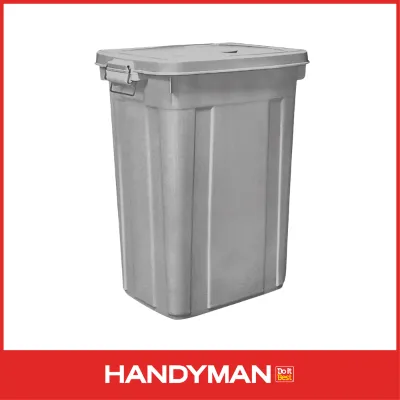
Prices are valid at publication and may change. Please refer to the product page for the latest price.
Finally, consider the physical constraints of both your current residence and your new home. Measure narrow hallways, low ceilings, tight stairwells, and doorway clearances to ensure your chosen boxes can pass through easily. If you are moving into a high-rise condominium or a multi-story townhouse, check the dimensions of the service elevator and the turning radius of the staircases. Additionally, verify the cargo capacity of your moving vehicle, as oversized boxes may not fit efficiently into standard utility vans or truck beds, leading to wasted space and multiple trips.
Structural Features to Verify on Storage Boxes and Containers
When evaluating options at the Handyman official store, look past basic aesthetics and focus on the physical specifications printed on the product labels. Verify the material thickness and the manufacturer’s stated load-bearing limits. For plastic containers, look for high-density polyethylene or polypropylene options that specify their maximum weight capacity. For cardboard boxes, check the edge crush test rating or the burst strength certification printed on the bottom flaps to ensure the walls can withstand vertical pressure when stacked.

The design of handles and lids plays a critical role in safe transit. Inspect the handle areas to ensure they are reinforced and comfortable to grip, as thin or sharp plastic edges can cause hand fatigue or snap under heavy loads. Lids should feature secure locking mechanisms, such as heavy-duty latches or snap-tight designs, to prevent them from popping open if a box is tilted. If you plan to stack containers in the moving vehicle, choose lids with recessed channels or interlocking grooves that keep the base of the upper box firmly aligned and prevent sliding.
In a tropical climate characterized by high humidity and sudden rain showers, weather and moisture resistance are paramount. Do not assume a container is moisture-proof simply because it is made of plastic. Check the product specifications for specialized features such as silicone gaskets, rubber seals, or overlapping lid lips that actively block dust and water. For cardboard boxes, verify if they have a moisture-resistant exterior coating or plan to use protective plastic liners to shield your items from dampness during transport.
Lastly, compare the external dimensions of the containers against your transit route. A box that is too wide to fit through a standard doorway or too tall to stack in your vehicle’s cargo hold will cause significant delays on moving day. Note the exact length, width, and height of the boxes you intend to buy, and compare these figures with the clearance measurements of your vehicle’s trunk, back seat, or truck bed to plan an efficient loading layout.
Matching Storage Organizers to Your Specific Household Items
Achieving an organized and damage-free move relies on pairing the right storage solutions with specific categories of household goods. Heavy and dense items, such as books, hand tools, canned goods, and ceramic tableware, require small, reinforced containers. Opting for smaller volumes prevents the box from becoming too heavy for a single person to carry and reduces the risk of the bottom collapsing. Look for heavy-duty plastic bins with reinforced bases or double-walled cardboard boxes designed specifically for heavy loads.
Bulky and lightweight items, such as pillows, blankets, comforters, winter wear, and plush toys, are best suited for large, lightweight boxes or flexible storage bags. These items occupy a significant amount of space but add very little weight, making large-capacity containers highly efficient. Flexible zippered bags or vacuum-seal storage bags are particularly useful here, as they allow you to compress soft textiles, maximizing the available space in your moving vehicle while protecting the fabrics from dust and moisture.
Fragile and irregularly shaped items, including glassware, porcelain figurines, small electronics, and picture frames, require specialized protection. Select compartmentalized organizers or stackable bins with smooth, non-abrasive interior walls. Using boxes with built-in dividers keeps individual items isolated, preventing them from knocking against each other during transit. For added safety, wrap each item in packing paper or bubble wrap before placing it into its designated compartment, and fill any remaining voids with soft packing materials.
Wardrobe items and delicate textiles deserve dedicated attention to prevent creasing, tearing, or exposure to musty odors. Utilize specialized garment boxes equipped with built-in metal or plastic hanging bars, which allow you to transfer clothes directly from your closet on their hangers. For folded clothing, choose ventilated fabric organizers or breathable storage boxes that promote airflow while keeping dust, pests, and tropical humidity at bay during the transition to your new home.
Packing and Loading Strategies for Safe Transport
Once you have selected the appropriate containers from the Handyman official store, executing a proper packing and loading strategy is essential for a successful lipat bahay. Always apply weight distribution principles inside each individual box. Place the heaviest items at the very bottom to establish a low center of gravity, and layer lighter items on top. Fill any remaining empty spaces or voids with crumpled packing paper, clean towels, or bubble wrap to prevent the contents from shifting and colliding when the vehicle is in motion.
Securing the lids and reinforcing the seams of your boxes prevents unexpected spills during handling. For cardboard boxes, use high-quality packaging tape to seal the bottom and top seams, applying tape in an “H” pattern across all open flaps. For plastic containers, ensure the latches are fully engaged and clicked into place. If you are transporting containers in an open-bed vehicle, consider wrapping the entire stack with stretch film to keep the lids firmly secured and to provide an extra layer of protection against dust and sudden rain.
When loading the moving vehicle, plan a sequence that maintains stability and protects fragile items. Place the heaviest, most rigid plastic bins and double-walled cardboard boxes at the base of the cargo area to form a solid foundation. Never stack heavy containers on top of lighter or fragile ones, as this will cause crushing. Secure the entire load using tie-down straps or ropes to prevent the stacks from shifting, sliding, or tipping over when navigating sharp turns, steep inclines, or uneven road surfaces.
While a DIY approach works well for standard household goods, you must recognize when to stop and consult professional movers. For exceptionally heavy items like pianos, large safes, or solid wood wardrobes, as well as highly fragile heirlooms or oversized glass panels, professional handling is necessary. Attempting to pack and transport these items without specialized equipment and training can lead to severe personal injury, structural damage to your home, or irreparable ruin of your valuable belongings.
Frequently Asked Questions (FAQ)
Can I return unused storage boxes to the Handyman official store?
To verify if you can return unused storage boxes, you must check the specific return window and condition requirements on the Handyman official store’s current policy page or consult the customer service desk at your local branch. Generally, returns are accepted only if the items are in pristine, resalable condition, with all original packaging, tags, and the official receipt fully intact. Keep in mind that standard exceptions apply, meaning customized items, final sale goods, or clearance merchandise are typically not eligible for returns or exchanges.
How do I prevent plastic storage boxes from cracking during a move?
Preventing plastic storage boxes from cracking requires careful handling and adherence to manufacturer guidelines. Avoid overfilling any container beyond its stated maximum load limit, as excessive internal pressure can stress the plastic walls and cause them to split. Do not stack heavy boxes on top of rigid plastic bins unless the lower bins are explicitly rated by the manufacturer for high stacking loads. Additionally, keep plastic containers away from extreme heat or direct sunlight during transport, as prolonged exposure to high temperatures can alter the material’s flexibility, making the plastic brittle and highly susceptible to cracking under impact.

Community discussion
Share your experience or ask a question. Comments are reviewed before publication.