
Selecting the right table and chair set size for a household of 6 to 10 people requires balancing physical room dimensions, seating comfort, and daily traffic flow. To comfortably accommodate a fluctuating headcount, a standard six-seater table requires a length of at least 72 inches, while an eight-seater needs around 96 inches, and a ten-seater demands at least 120 inches. Finding the perfect setup involves assessing your daily family dynamics, measuring your room’s precise clearance zones, and selecting a base design that maximizes legroom. In the Philippines, where dining rooms serve as central hubs for multi-generational gatherings and festive salo-salo meals, finding this balance is essential to prevent a cramped, uncomfortable dining experience.
Match Table and Chair Set Shapes to Your Seating Needs
The shape of your dining table directly dictates how efficiently you can use your floor space and how easily your family can converse during meals. For larger households ranging from 6 to 10 people, the visual and physical footprint of the furniture can quickly overwhelm a room if the shape is mismatched. A well-chosen table shape ensures that every family member has adequate elbow room while maintaining an intimate, engaging atmosphere.
When seating up to 10 people, standard dimension ranges become critical benchmarks. A table that is too small forces guests to bump elbows, while an excessively large table can make the dining room feel congested and restrict movement. Additionally, the width of the table is just as important as its length. For family-style dining, where multiple large serving dishes, rice platters, and soup bowls are placed in the center of the table, a narrow surface will quickly run out of space. Aim for a table width of at least 36 to 42 inches to ensure there is plenty of room for both individual place settings and shared platters.
Products mentioned in this guide
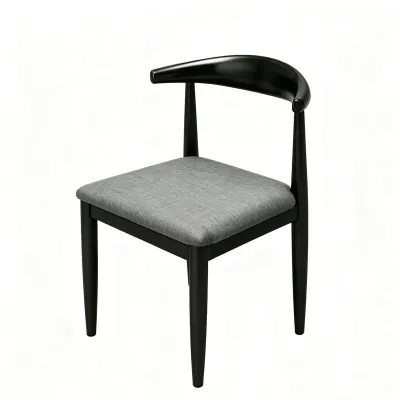
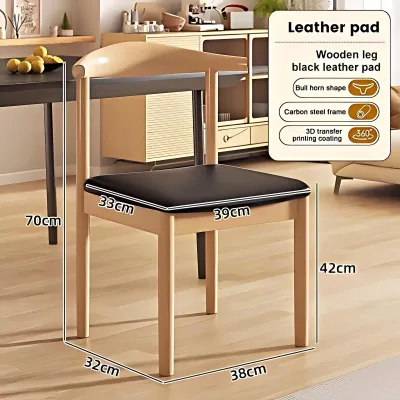
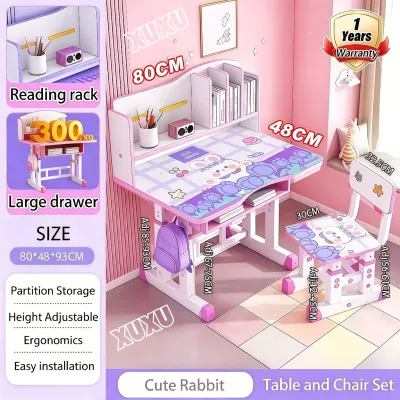
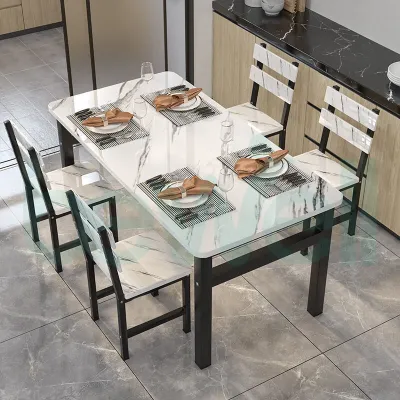
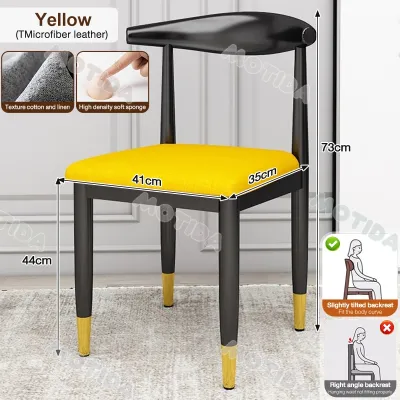
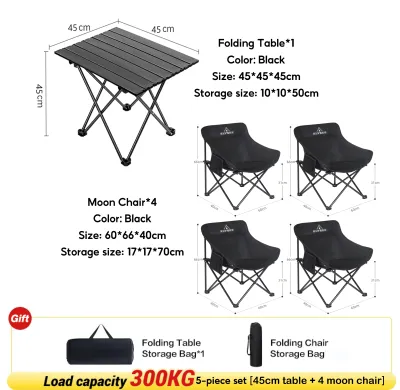
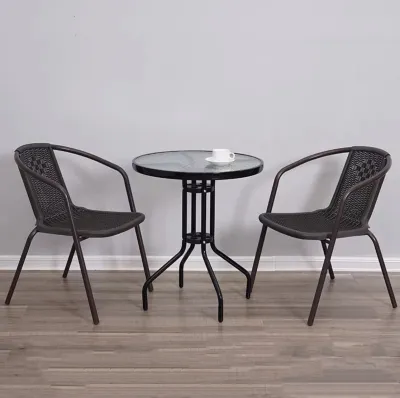
Prices are valid at publication and may change. Please refer to the product page for the latest price.
Rectangular and Oval Tables
Rectangular tables are the traditional choice for large families because they align cleanly with the long walls of standard dining rooms. For a comfortable seating arrangement, a 6-seater rectangular table should measure approximately 72 inches in length. If you regularly host 8 people, look for a table length of about 96 inches. To accommodate a full group of 10 people, you will need a table that stretches to at least 120 inches.
Oval tables offer a highly practical alternative to rectangular designs. They provide a similar surface area and length capacity but feature rounded, softened corners. These curved edges are incredibly beneficial for improving traffic flow in tighter dining rooms, as they eliminate sharp corners that family members might bump into when walking past. Oval shapes also allow you to squeeze in an extra chair at the curved ends in a pinch, offering slightly more flexible seating configurations.
Round Tables
Round tables are exceptional for fostering close conversation and a sense of equality, as everyone faces the center. However, they require a significant amount of open floor space when scaled up for larger groups. To comfortably seat 6 to 8 people, a round table must have a diameter of at least 60 to 72 inches. If you need to seat 10 people, the diameter must expand to a massive 72 to 84 inches.
Before choosing a large round table, consider the practical limitations of food sharing. At a diameter of 72 inches or more, the center of the table becomes incredibly difficult to reach. Passing heavy platters across such a wide distance can be awkward and inconvenient. To make a large round table functional for daily meals, you will almost certainly need to install a lazy Susan in the center so that dishes can be rotated smoothly to each diner.
Extendable Dining Tables
For families that fluctuate between daily meals and hosting larger gatherings, an extendable dining table is often the most versatile solution. These tables allow you to maintain a compact footprint for daily life and expand the surface only when needed. Common extension mechanisms include butterfly leaves, drop-leaves, or removable center inserts that can easily transform a modest 6-seater table into an 8- or 10-seater.
When shopping for an extendable table and chair set, always inspect the quality and smoothness of the extension mechanism. High-quality metal glides or wooden tracks should operate without sticking or requiring excessive force. Additionally, check where the extension leaves are stored; some tables feature self-storing designs where the leaves fold neatly beneath the tabletop, while others require you to store the bulky inserts in a closet or under a bed when not in use.
Measure Your Dining Space and Plan for Clearance
Before purchasing any large furniture set, you must accurately measure your dining area to ensure a comfortable fit. Begin by measuring the overall length and width of the room using a steel tape measure. Be sure to note the locations of doors, low-hanging windows, built-in cabinets, and electrical outlets. If you live in a high-rise condominium or a multi-story home, you must also measure your doorways, hallways, and elevator doors to guarantee the delivery team can actually bring the large tabletop inside your home.

The golden rule of dining room layout is to maintain a clearance zone of 36 to 48 inches between the edge of the table and the nearest wall or piece of furniture. A minimum of 36 inches of clearance allows family members to pull their chairs out and sit down comfortably. If the dining room serves as a pathway to the kitchen or backyard, increase this clearance to 48 inches so that people can easily walk behind seated guests without disrupting their meal.
In tropical climates like the Philippines, you must also account for overhead and wall-mounted fixtures that affect your dining experience. Ensure your table placement aligns perfectly with ceiling fans or pendant lights to prevent uneven lighting or draft issues. If you have a wall-mounted split-type air conditioning unit, position the table so that the cold air does not blow directly onto the food, which can cause hot dishes to cool down too quickly during family gatherings.
Select the Right Chair Configuration and Count
The chairs you choose play a massive role in both the comfort of your guests and the overall footprint of your dining set. Standard dining chairs typically range from 18 to 22 inches in width. Armchairs, which feature side supports, are wider and require more physical clearance than armless chairs. To optimize space, a smart configuration is to place comfortable armchairs at the head and foot of a rectangular table, while using space-saving armless chairs along the sides.
If you are trying to maximize seating capacity without overcrowding the room, dining benches are a highly efficient alternative. Placing a bench on one side of a rectangular table allows you to slide it completely underneath the table when it is not in use, instantly clearing up floor space. Benches are incredibly family-friendly, making it easy to seat three or four children together without the bulk of individual chair frames. However, ensure the bench’s length is slightly shorter than the distance between the table legs so it can slide under smoothly.
Check Structural Stability and Base Design
A table built for 6 to 10 people must support a substantial amount of weight, from heavy ceramic serving platters to the physical leaning of multiple family members. Therefore, analyzing the base design and structural stability is critical. Traditional four-leg tables offer excellent corner stability but can restrict legroom, as the corner legs often interfere with where guests sit, especially at the corners of an expanded table.
In contrast, pedestal or trestle bases are highly recommended for larger dining sets. A pedestal base features a single central support, while a trestle base uses two or more vertical supports connected by a horizontal bar. Both designs eliminate leg interference at the corners, making it much easier for 8 to 10 people to slide in and out of their seats. When evaluating these bases, verify the manufacturer’s specified weight capacity and check the thickness of the tabletop to ensure it will not sag or bow in the center over time. Look for robust joinery, such as mortise-and-tenon joints or heavy-duty metal brackets, to ensure the frame remains rock-solid during active daily use.
Common Sizing Mistakes to Avoid
One of the most frequent mistakes homeowners make is overlooking the thickness of the table’s apron—the wooden panel that runs horizontally beneath the tabletop. A thick apron can significantly reduce knee clearance, making it uncomfortable for taller family members to sit comfortably. It can also prevent dining chairs with armrests from sliding fully under the table, forcing them to stick out and block valuable floor space. Always measure the distance from the floor to the bottom of the apron before buying.
Another common error is ignoring the exact placement of the table legs. Even if a table is advertised as a 10-seater, poorly positioned legs can prevent you from placing chairs where you need them, forcing guests to awkwardly straddle a wooden leg. Lastly, avoid pushing a large dining table too close to high-traffic walkways or entryways. A dining set that blocks the natural flow of your home will quickly become a source of daily frustration.
Frequently Asked Questions (FAQ)
How much space do I need between the dining table and the wall?
You should leave a minimum of 36 inches of clearance between the dining table edge and the wall to allow chairs to be pulled out easily. If the area is a primary walkway where family members need to pass behind seated guests, aim for a clearance of 48 inches to ensure smooth foot traffic.
Can I use a dining bench instead of chairs for a 10-seater table?
Yes, a dining bench is an excellent space-saving option for one side of a 10-seater table. It can comfortably accommodate multiple children or adults and slides completely under the table when not in use. Just ensure the bench’s length matches the interior distance between the table legs.
What is the best table width for serving family-style meals?
The ideal table width for family-style dining is between 36 and 42 inches. This width provides ample room for individual place settings on both sides while leaving a generous center zone for large shared platters, rice bowls, and decorative centerpieces without crowding.

Community discussion
Share your experience or ask a question. Comments are reviewed before publication.