
Living in a compact condominium or apartment in the Philippines requires a smart approach to space management. The entryway is often the first area to become cluttered, especially when shoes accumulate near the door. A traditional, bulky shoe rack can quickly block narrow hallways and make your home feel cramped. This is where a thin shoe cabinet becomes an essential piece of furniture. By utilizing a slim profile and clever vertical storage mechanisms, these specialized cabinets keep your footwear organized while preserving precious floor space.
To find the best thin shoe cabinet for your specific living arrangement, you must look beyond aesthetics. The ideal choice balances a shallow depth—often between 15 and 24 centimeters—with structural stability, realistic storage capacity, and materials capable of withstanding tropical humidity. Understanding how to measure your space, evaluate material specifications, and ensure secure installation will help you select a durable unit that seamlessly integrates into your daily routine.
Measuring Your Condo Entryway and Hallway Constraints
Before browsing online marketplaces or visiting local furniture showrooms, you must obtain precise measurements of your entryway. Use a reliable metal measuring tape rather than relying on visual estimates. Start by measuring the available wall length where you plan to place the cabinet. Next, measure the maximum allowable depth. Keep in mind that even a very slim cabinet will project outward, so you must ensure it does not obstruct the natural flow of foot traffic.
Products mentioned in this guide
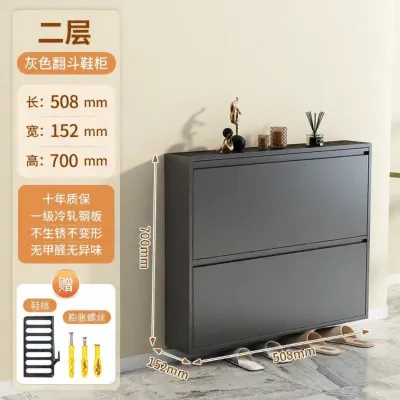
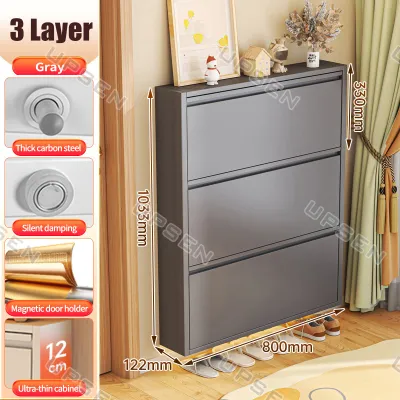
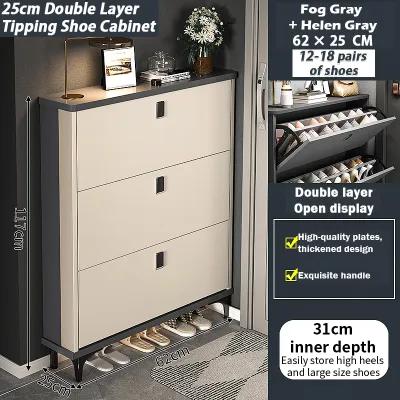
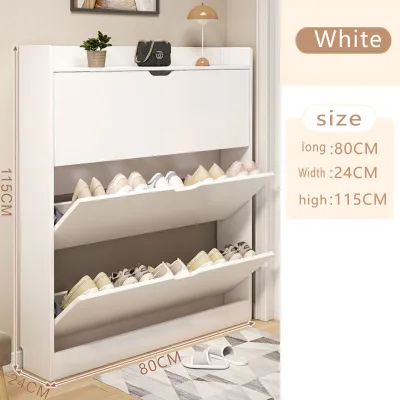
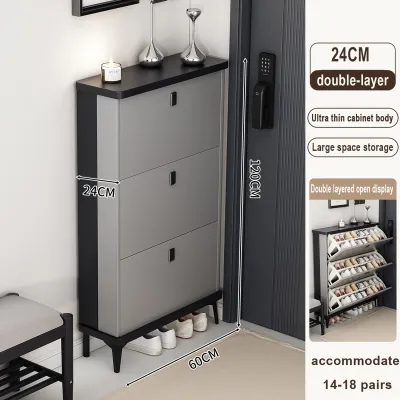
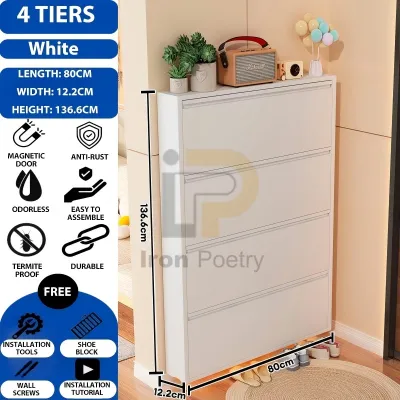
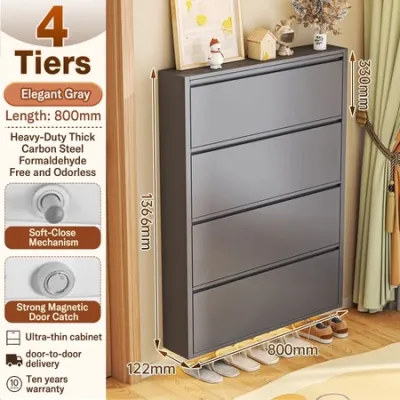
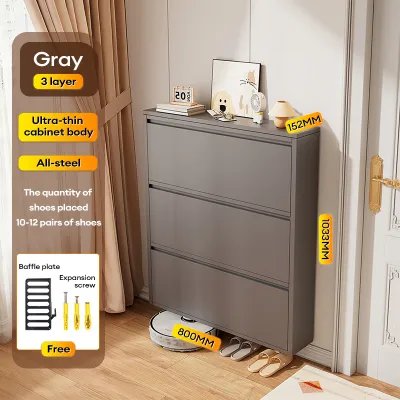
Prices are valid at publication and may change. Please refer to the product page for the latest price.
When calculating depth, pay close attention to physical obstacles along the wall. Baseboards are a common oversight; if your condo has thick baseboards, they will prevent the cabinet from sitting completely flush against the wall. This creates a gap at the top, which can compromise stability and look untidy. You should also locate any electrical outlets, light switches, or internet access points. Placing a tall cabinet directly over an outlet can block access to essential plugs or force you to position the cabinet away from its ideal spot.
Door swings are another critical factor to analyze. Measure the swing path of your main entrance door, as well as any nearby closet or bathroom doors. The cabinet must be positioned far enough away so that doors can open fully without striking the furniture, which could cause scratches or structural damage over time. Additionally, if your entryway leads directly into a narrow hallway, ensure that the remaining walkway width allows two people to pass comfortably.
Finally, familiarize yourself with your building’s condominium corporation rules and fire safety regulations. Many high-rise developments in the Philippines have strict policies regarding the placement of furniture in shared hallways or common areas. Even within your private unit, maintaining clear, unobstructed pathways to the main exit is vital for emergency evacuations. Ensuring your cabinet complies with these safety clearances provides peace of mind alongside organized storage.
Balancing Cabinet Depth with Realistic Shoe Capacity
The primary appeal of a thin shoe cabinet lies in its space-saving design, but this compact footprint comes with trade-offs in storage capacity. Standard shoe cabinets store footwear flat on horizontal shelves, requiring a depth of at least 30 to 35 centimeters. Slim cabinets achieve their narrow profile—often as thin as 15 centimeters—by utilizing tilt-out drawers where shoes are stored vertically or at a steep angle.

When evaluating different models, consider the types of shoes your household wears regularly. An ultra-slim cabinet with a depth of 15 to 17 centimeters is highly efficient but is generally limited to low-profile footwear. Flat sandals, slippers, canvas sneakers, and children’s shoes fit easily into these narrow compartments. However, if you need to store bulky running shoes, high-top sneakers, platform heels, or formal leather dress shoes, you will likely require a cabinet depth of 20 to 24 centimeters, or a model featuring adjustable internal dividers.
Internal shelving adjustability is a crucial feature to look for during your search. Some tilt-out cabinets feature removable or adjustable wooden or plastic partitions within each drawer. This allows you to customize the compartment height based on the thickness of your footwear. If the dividers are fixed, you may find yourself unable to close the drawer fully when storing thicker shoes, rendering some compartments unusable.
To determine the right size, calculate your realistic storage needs based on your household size and daily habits. A single professional living in a studio condo might only need to store six to eight pairs of daily-wear shoes near the entrance. A family of three or four, however, will quickly overwhelm a small cabinet. If space constraints force you to choose an ultra-thin model, plan to use it strictly for your most frequently worn pairs, while keeping seasonal, formal, or bulky footwear stored in bedroom closets or under-bed organizers.
Checking Material Specs for Humid Environments
The tropical climate of the Philippines, characterized by high temperatures and intense humidity, demands careful attention to furniture materials. Entryways are particularly vulnerable to moisture, as wet umbrellas, damp shoes, and humid air from open doors frequently gather in this zone. Choosing a cabinet made from unsuitable materials can lead to warping, sagging, and mold growth within a few seasons.
Engineered wood, such as medium-density fiberboard (MDF) and particle board, is widely used in modern, budget-friendly slim cabinets. While these materials allow for sleek designs and affordable price points, their durability depends heavily on their protective finishes. Inspect product specifications for high-quality melamine laminates or thermo-structured surfaces. Crucially, check the quality of the edge banding. Seamless, professionally applied edge banding prevents moisture from penetrating the porous inner core of the engineered wood, which would otherwise cause the material to swell and crumble.
For superior moisture resistance, consider alternative materials like powder-coated steel or heavy-duty plastics. Metal shoe cabinets offer an industrial aesthetic and exceptional structural integrity. The powder-coated finish protects the steel from rust, making it easy to clean with a damp cloth. Plastic storage units, while often simpler in design, are completely immune to water damage and rot, making them highly practical for wet footwear, though they may lack the premium feel of wood or metal.
Ventilation is another essential defense against the humid climate. Enclosed, airtight cabinets trap moisture and sweat from worn shoes, creating an environment ripe for unpleasant odors and mold. Look for cabinets that incorporate built-in ventilation features. Slatted front doors, open-back designs, or dedicated ventilation grilles on the rear panel facilitate continuous airflow, helping your shoes dry faster and keeping the cabinet interior fresh.
Ensuring Stability and Safe Installation
Because thin shoe cabinets feature a very shallow depth and a tall, vertical design, they have a high center of gravity. This physical profile makes them inherently prone to tipping forward, especially when multiple tilt-out drawers are opened simultaneously or when heavy shoes are placed in the upper compartments. Ensuring a safe and stable installation is paramount to prevent accidents, particularly in active households.
Wall anchoring is the most effective way to secure a slim cabinet. Most reputable manufacturers include wall-mounting hardware, such as brackets, straps, or pre-drilled holes in the back panel. For the concrete or hollow block walls common in Philippine condo construction, standard drywall screws will not suffice. You will need to use plastic wall plugs, commonly known as tox, along with matching screws. Installing these requires a hammer drill and the correct masonry drill bit. If you are renting your apartment and are prohibited from drilling into the walls, you must look for freestanding models designed with wider, weighted bases, or seek written permission from your landlord for a reversible anchoring solution.
Weight distribution plays a significant role in maintaining stability. As a general rule, always store your heaviest footwear, such as leather boots, heavy sneakers, or formal shoes, in the bottom drawers of the cabinet. Keep lightweight sandals, slippers, and flats in the upper compartments. This simple organization strategy keeps the center of gravity low, reducing the risk of the unit tipping forward when a drawer is opened quickly.
Finally, address the condition of your flooring. Many condos feature ceramic tiles or laminate flooring that may not be perfectly level. A slight wobble can cause a tall, narrow cabinet to lean, putting extra strain on wall anchors and causing drawers to misalign. Look for cabinets equipped with adjustable leveling feet that allow you to compensate for uneven floors. Alternatively, you can use discreet plastic or felt furniture shims underneath the base to ensure the cabinet sits perfectly plumb before you finalize the wall attachments.
Building Your Shortlist: Pre-Purchase and Delivery Checks
Once you have identified a few thin shoe cabinets that meet your size, capacity, and material requirements, you must perform a final set of practical checks before completing your purchase. These steps help prevent common delivery day headaches and ensure a smooth assembly process.
First, verify the packaged dimensions of the product. While the assembled cabinet might fit perfectly in your entryway, the shipping box can be significantly larger and more awkward to handle. Measure your condo building’s service elevator, the width of the corridors, and the clearance of your unit’s front door. If you live in a low-rise apartment without an elevator, ensure the package can be safely carried up the stairwell turns. Confirming these details beforehand prevents the frustration of a delivery team being unable to bring the item to your door.
Next, evaluate the assembly requirements. Many slim shoe cabinets purchased from online marketplaces or flat-pack furniture retailers require complete self-assembly. Review the product description to see what tools are required. While some packages include basic hex keys, you will often need your own Phillips-head screwdriver, a hammer, and a spirit level to ensure a precise build. If you are not comfortable with DIY projects, check if the retailer offers professional assembly services for an additional fee in ₱, or plan to hire a local handyman to assemble and mount the cabinet securely.
Lastly, carefully review the seller’s return policies, damage replacement terms, and warranty conditions. Furniture transit can sometimes result in chipped corners, cracked panels, or missing hardware. When purchasing through online marketplaces, always record a continuous, unedited video of the unboxing process. This video serves as vital evidence if you need to file a return or exchange claim for transit damage. A reliable seller should offer clear support for replacing defective parts, giving you confidence in your investment.
Frequently Asked Questions (FAQ)
Can a thin shoe cabinet hold heavy boots or high heels?
Standard thin shoe cabinets with tilt-out drawers are primarily designed for low-profile footwear like flats, sneakers, and sandals. Heavy boots or high heels with tall shafts often exceed the physical height and depth limits of these narrow compartments, preventing the drawers from closing. To store taller footwear, look for slim cabinets that feature adjustable or removable internal dividers, which allow you to create larger individual compartments. Alternatively, some models combine tilt-out drawers with a side section of open, adjustable shelves specifically designed to accommodate taller shoes and boots.
How do I prevent odors in a slim, enclosed shoe storage unit?
Preventing odors in a compact, enclosed shoe cabinet requires a combination of good habits and active moisture control. Never place damp or sweaty shoes directly into the cabinet; allow them to air dry completely in a well-ventilated area first. Regularly wipe down the interior shelves with a mild disinfectant solution to eliminate bacteria. To combat the natural humidity of the Philippines, place moisture-absorbing products inside the compartments, such as hanging dehumidifier bags, activated charcoal sachets, or silica gel packets. Choosing a cabinet with built-in ventilation slats or an open-back design will also significantly improve airflow and reduce odor buildup.

Community discussion
Share your experience or ask a question. Comments are reviewed before publication.