
The best transparent storage boxes for a successful lipat bahay in the Philippines are those engineered with heavy-duty, impact-resistant plastic, secure latching lids, and reinforced structural bases. Unlike traditional cardboard boxes that can easily degrade in high humidity or tear during transit, clear plastic containers offer immediate visibility of your belongings while protecting them from dust, pests, and sudden tropical downpours. Selecting the right containers involves looking past basic aesthetics to evaluate structural integrity, lid security, and load-bearing capacity.
When planning a move, the transition from packing to unpacking can become chaotic if you cannot locate essential items. Transparent storage boxes solve this issue by allowing you to scan the contents of each container without peeling off layers of packing tape or opening multiple lids. This visibility is particularly valuable during the first few days in your new home when you need quick access to toiletries, kitchen utensils, and basic tools.
However, not all clear plastic boxes are built to withstand the physical demands of being loaded into a moving truck, driven over bumpy roads, and stacked multiple layers high. To ensure your belongings remain safe and the boxes do not crack under pressure, you must establish a clear set of criteria for evaluating materials, sizes, and structural designs before making a bulk purchase.
Products mentioned in this guide
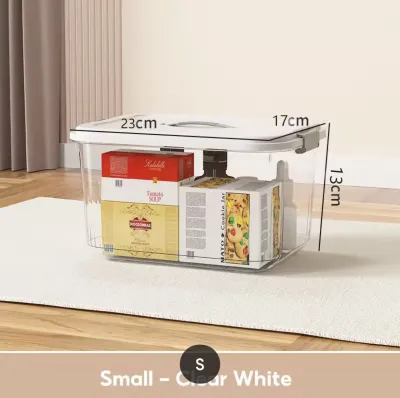
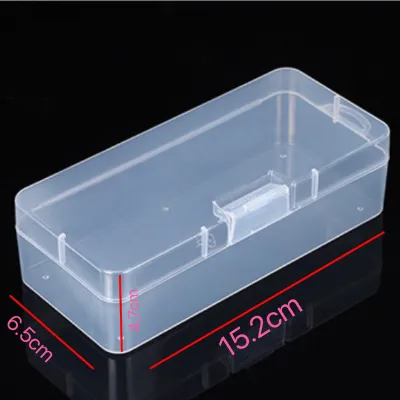
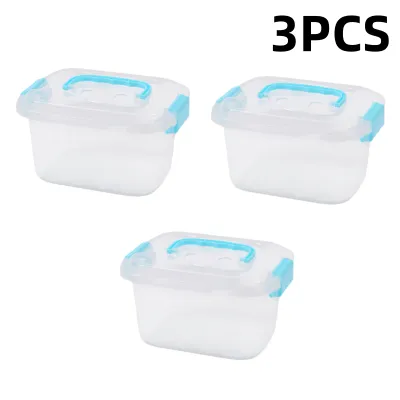
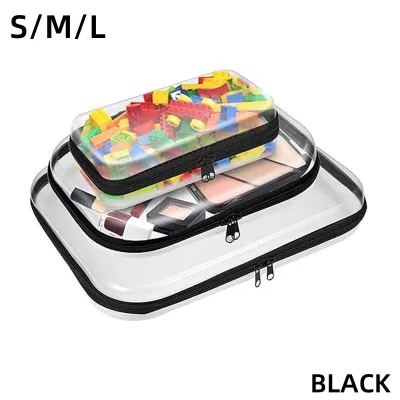
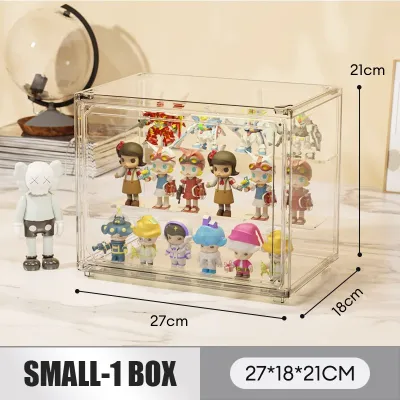
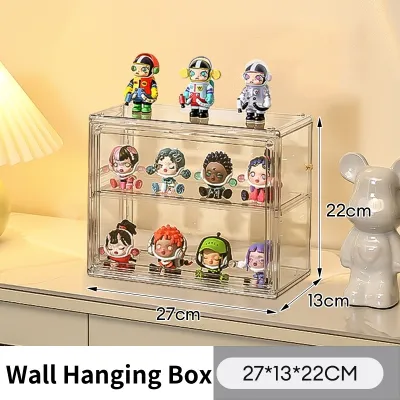
Prices are valid at publication and may change. Please refer to the product page for the latest price.
Core Features to Evaluate in Transparent Moving Boxes
The physical demands of a lipat bahay require storage containers that can handle movement, stacking pressure, and manual handling. The first feature to examine is the latching mechanism of the lid. Standard snap-on lids often pop open when a box is slightly overfilled or when the container flexes during transport. To prevent accidental spills, look for boxes equipped with robust, heavy-duty buckle latches or slide locks that physically clamp the lid to the container body. These latches should feel secure and require a deliberate force to open, ensuring they remain closed even if the box is tilted or bumped inside the moving vehicle.
Another critical structural element is the design of the base and walls. A flat, thin plastic bottom will bow downward when filled with heavy items, which can cause the plastic to stress-crack or make stacking impossible. High-quality moving boxes feature reinforced bases with molded grid patterns or thick perimeter rims that distribute weight evenly. Similarly, the side walls should incorporate vertical ribs or contoured columns. These structural ridges act as pillars, transferring the weight of stacked boxes directly to the floor rather than forcing the flat plastic panels to bear the load.
Ergonomic handles are equally vital for safe lifting and carrying through narrow hallways, up stairwells, or onto truck beds. Avoid boxes with sharp, thin plastic edges under the rim, as these can cut into your hands when carrying heavy loads. Instead, prioritize containers with integrated, rounded handle grips or molded-in recessed handles that provide a comfortable, secure hold. If the box uses clip-on latches, ensure the latches themselves are designed to double as smooth handles that do not pinch your fingers during transport.
Sizing and Capacity Planning for Household Items
A common mistake during a lipat bahay is purchasing a single, uniform size of storage box for all household items. This approach often leads to oversized boxes being packed with heavy goods, making them dangerous to lift and highly prone to cracking. To prevent box failure and physical strain, you should categorize your belongings and match them to appropriate container capacities.

Small transparent boxes, typically ranging from 10 to 30 liters, are ideal for dense, heavy items. Books, hand tools, kitchenware, canned pantry goods, and small electronics should always be packed in these smaller containers. Keeping the volume low ensures that even when filled to capacity, the total weight remains manageable for a single person to lift safely. It also prevents the bottom of the box from bowing under excessive concentrated weight.
Medium to large boxes, spanning 50 to 100 liters or more, should be reserved exclusively for bulky, lightweight household items. Use these larger containers for bed linens, pillows, blankets, winter wear, stuffed toys, and folded clothing. While these items take up a significant amount of physical space, their low density means the box will remain light enough to carry easily. Packing heavy items in a 100-liter box is a recipe for structural failure, as the sheer volume of weight will likely cause the plastic to buckle when lifted.
When planning your purchase, always compare the interior dimensions of the boxes against their exterior footprints. Many transparent boxes feature tapered designs where the bottom is significantly narrower than the top. While this tapering allows empty boxes to nest inside one another for easy storage, it reduces the usable interior volume and can create empty, unstable gaps when stacking them side-by-side in a moving truck. Look for boxes with relatively straight vertical walls to maximize space efficiency and ensure a tight, stable fit inside the transport vehicle.
Material, Structure, and Durability Checks
The durability of a transparent storage box depends heavily on the type and quality of the plastic used in its manufacturing. When evaluating options, look for specific material labels and observable physical traits rather than relying on generic marketing descriptions. If you plan to use the boxes to store kitchenware, dining utensils, baby items, or dry pantry goods, check for food-grade or BPA-free certifications. These labels indicate that the plastic will not leach harmful chemicals into your household items, making them safe for long-term contact with food-related objects.
You can assess the structural quality of a plastic box through simple physical checks. High-quality moving containers are typically made from thick, high-density polypropylene (PP), which offers a balance of rigidity and impact resistance. When you press against the center of a wall or lid, the plastic should offer firm resistance rather than flexing easily like thin packaging material. Avoid boxes that feel brittle or have a glassy, highly rigid texture, as these are prone to shattering upon impact. Instead, look for a slight, tough flexibility that allows the plastic to absorb shocks without cracking.
The clarity of the transparent walls is another indicator of material quality. While crystal-clear polystyrene boxes offer excellent visibility, they are highly brittle and scratch easily, making them unsuitable for the rough handling of a move. The best transparent moving boxes are made of clarified polypropylene, which has a slightly milky or frosted appearance but still allows you to easily identify the shapes and colors of the items inside. This material is highly resistant to scuffing, scratching, and impact, ensuring the boxes remain functional and visually clear through multiple moves.
Building Your Shortlist: What to Verify on E-commerce Platforms
When shopping for transparent storage boxes on online marketplaces in the Philippines, navigating the sea of listings requires a systematic verification process. Start by thoroughly reading user reviews, paying close attention to photos and videos uploaded by previous buyers. Look specifically for feedback from customers who used the boxes for moving or long-term storage. Reviews that mention boxes arriving cracked, lids failing to latch, or containers buckling when stacked are clear warning signs to avoid that particular product or seller.
Next, calculate the true cost per box to ensure you are getting genuine value. Many sellers offer bulk packages or bundles that significantly reduce the individual price of each container. However, because storage boxes are bulky, shipping fees can escalate quickly, especially if they are classified as oversized cargo. Compare the total cost—including shipping fees—across different listings in ₱ to find the most economical option. Be wary of extremely cheap listings, as they often utilize thin, low-grade plastics that will fail during your move, forcing you to buy replacements.
Finally, verify the seller’s rating, response rate, and return policies before placing your order. Reliable sellers should have a high positive feedback rating and a track record of secure packaging. Because plastic boxes are vulnerable to damage during transit from the warehouse to your home, ensure the seller has a clear policy for replacing items damaged during shipping. Look for listings where the seller explicitly states they use bubble wrap, cardboard corner protectors, or outer boxes to safeguard the plastic containers during delivery.
Packing and Stacking Best Practices for Safe Transit
Acquiring high-quality transparent storage boxes is only half the battle; you must also pack and stack them correctly to ensure a damage-free lipat bahay. When packing, distribute the weight evenly across the bottom of the box rather than concentrating heavy items on one side. Avoid overfilling the container past the top rim. If the contents push upward against the lid, it compromises the latching mechanism and prevents other boxes from stacking flat on top, creating an unstable column that can easily topple during transit.
When loading the moving vehicle, always follow the golden rule of stacking: place the heaviest, most rigid boxes at the very bottom of the pile. This creates a solid, stable foundation and ensures that the lighter, bulkier boxes on top do not crush the containers beneath them. Keep the stack heights reasonable, typically no more than three to four boxes high, depending on the weight and the stability of the vehicle. If possible, secure the columns with ratchet straps or ropes to prevent them from shifting laterally when the truck turns corners or travels over uneven roads.
While the transparent walls of these boxes make it easy to see what is inside, a strategic labeling system can further streamline your unpacking process. Avoid using permanent markers or high-tack adhesive labels directly on the plastic, as these can leave stubborn residues or permanently ruin the clarity of the box. Instead, use low-tack painter’s tape or masking tape to write down the destination room (such as “Kitchen,” “Master Bedroom,” or “Living Room”) and a brief list of contents. Place these labels on the sides of the boxes rather than the lids, ensuring they remain visible even when the containers are stacked on top of one another.
Frequently Asked Questions (FAQ)
Can I use transparent storage boxes for long-term storage after the move?
Yes, transparent storage boxes are excellent for long-term storage, provided they are kept in the right environment. Because plastic can degrade, warp, or become brittle when exposed to direct sunlight and extreme heat, you should store these boxes in a cool, dry, and shaded area, such as a closet, under-bed space, or an air-conditioned room. Ensure the lids are tightly latched to keep out dust, moisture, and pests, which are common challenges in tropical climates.
How do I clean and maintain the transparency of the boxes?
To clean your transparent storage boxes and maintain their clarity, wash them with a soft microfiber cloth, warm water, and a mild dish soap. Avoid using abrasive scrubbing pads, steel wool, or harsh chemical cleaners, as these can scratch the plastic surface and leave a cloudy residue. To remove sticky adhesive left behind by packing tape, apply a small amount of cooking oil or a specialized adhesive remover to the spot, let it sit for a few minutes, and then gently wipe it clean with a soft cloth.

Community discussion
Share your experience or ask a question. Comments are reviewed before publication.