
Selecting the ideal wall shelves rack size for your study room requires a careful balance between your physical wall dimensions and the specific items you intend to store. To make the right choice, you must measure your available wall area, determine the necessary shelf depth based on your books or equipment, and plan the vertical spacing to maintain a comfortable, clutter-free workspace. Taking these steps ensures your shelving is both highly functional and structurally safe.
An organized study room enhances productivity, but an oversized or poorly positioned shelf can make the space feel cramped and restrictive. By analyzing your room’s layout and understanding your storage habits, you can select a shelving configuration that maximizes vertical space without interfering with your daily workflow.
Measure Your Available Wall Space Accurately
Before browsing for a wall shelves rack, you must establish the absolute physical boundaries of your intended installation area. Start by using a metal measuring tape to record the total width and height of the wall space. It is crucial to note the exact locations of light switches, power outlets, window frames, and wall-mounted air conditioning units. Blocking access to outlets or obstructing the airflow of a cooling unit can create long-term inconveniences in a busy home office.
Products mentioned in this guide
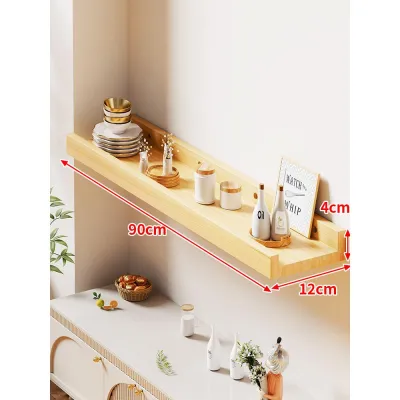
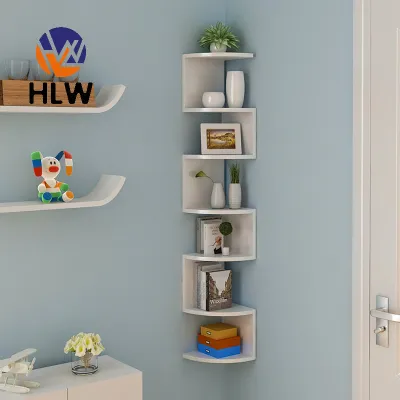
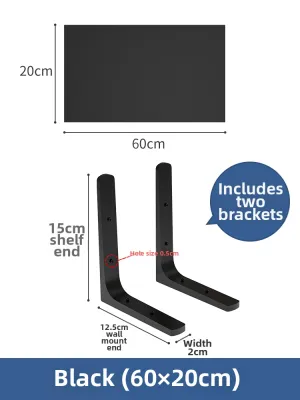
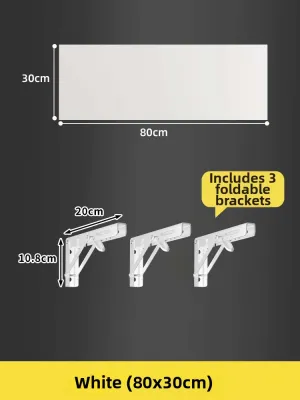
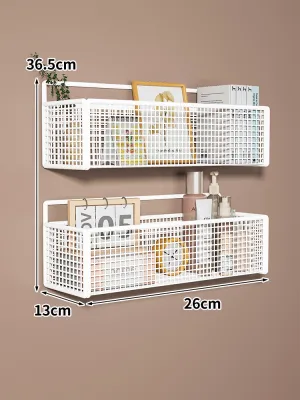
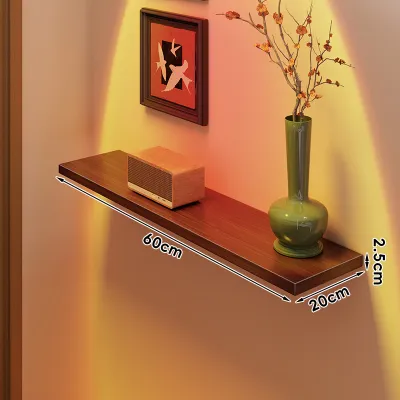
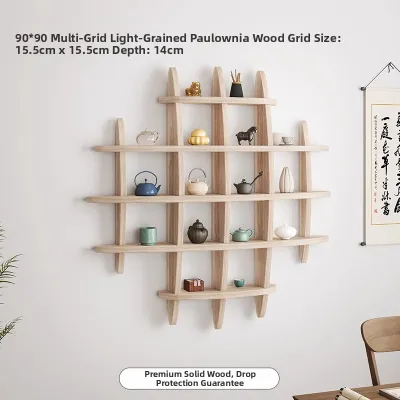
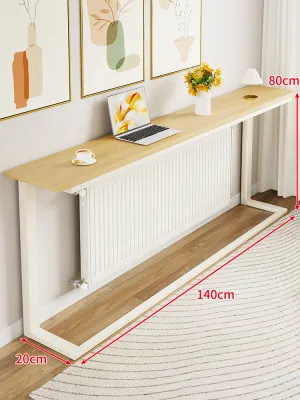
Prices are valid at publication and may change. Please refer to the product page for the latest price.
Next, measure the height of the desk or seating directly below the proposed shelving area. You need to ensure there is adequate clearance so you do not bump your head when sitting down or standing up. If your desk features a hutch, a monitor riser, or a tall desktop computer setup, measure the height of these items from the floor to find the minimum starting height for your lowest shelf tier.
Finally, assess the flatness of your wall and check for any corner obstacles. In many homes, walls are not perfectly square or flat. Run a straight edge or a level across the wall surface to identify any bowing or uneven plaster. If the wall is uneven, it can affect how flush the shelf brackets sit, which may slightly reduce the usable depth or cause alignment issues during installation. Measuring these minor variations beforehand prevents alignment errors later.
Determine Shelf Depth Based on Storage Needs
To choose a shelf depth that works, you must evaluate the physical dimensions of the items you plan to store. Gather your largest textbooks, A4 binders, storage boxes, or reference manuals and measure their depth from front to back. Standard novels and small paperbacks typically fit comfortably on shallower shelves, whereas heavy reference books and office binders require a deeper platform to prevent them from overhang.

It is helpful to categorize your storage needs into shallow display ledges and deep utility shelves. Shallow ledges are excellent for small decorative items, picture frames, or lightweight stationery holders, keeping them visible without taking up valuable physical space. On the other hand, deep storage shelves are necessary for heavy-duty items, printer paper reams, or storage bins. Mixing these depths can create a dynamic look, but you must ensure each shelf matches its intended purpose.
Additionally, verify that deeper shelves do not obstruct movement within the study room. A shelf that protrudes too far from the wall can become a safety hazard, especially in narrow rooms or high-traffic pathways. Ensure that when you pull your office chair back or walk around the desk, you have plenty of clearance. Deeper shelves also require longer, more robust brackets to support the extended leverage, so keep this hardware requirement in mind when planning your layout.
Plan the Number of Tiers and Vertical Spacing
Configuring the number of shelf tiers and the vertical distance between them is essential for both visual balance and practical usability. To set your vertical spacing, identify the height of your tallest items, such as vertical file organizers or large binders. Add a few centimeters of extra clearance above these items to allow you to retrieve and replace them easily without scraping the shelf above.
When choosing a wall shelves rack system, compare the flexibility of adjustable shelving against the stability of fixed-tier configurations. Adjustable systems, which use vertical wall standards with slotted tracks, allow you to reposition brackets and shelves as your storage needs change over time. This is highly beneficial if your study materials vary in size. Fixed-tier configurations, such as individual floating shelves, offer a cleaner, more minimalist aesthetic but require precise planning since their positions cannot be easily altered after installation.
Do not forget to leave adequate clearance between the top shelf tier and the ceiling. A shelf placed too close to the ceiling makes it difficult to clean and dust, which is a constant chore in humid or dusty environments. Leaving a generous gap at the top also provides visual breathing room, preventing the study room from feeling top-heavy or claustrophobic. Aim for a balanced layout where the shelves look integrated into the wall rather than crowded against the ceiling.
Evaluate Wall Structure and Weight Capacity
Ensuring the safety and stability of your loaded shelves requires a thorough evaluation of your wall structure and its weight-bearing limits. Different wall materials demand specific mounting hardware and installation techniques. For instance, solid concrete or concrete block walls, which are very common in many homes, provide excellent support but require a masonry drill bit, plastic wall plugs, and sturdy screws to secure the brackets firmly.
Always check the manufacturer’s maximum load rating on the product label or instruction manual before purchasing. This rating indicates the maximum weight the shelf itself can support under ideal conditions. However, you must also factor in the cumulative weight of your books, files, and decor. Books are deceptively heavy; a single shelf filled with dense textbooks can easily weigh several kilograms. Ensure your wall type and chosen anchors can safely support this combined weight.
If you are unsure about your wall’s internal structure, if the plaster is crumbling or damaged, or if you plan to store exceptionally heavy equipment, stop the installation process. It is always safer to consult a qualified professional or a carpenter to assess the wall and handle the mounting. Attempting to install heavy-duty shelving on a weak or unidentified wall surface can lead to structural failure, damaging your walls, your equipment, and posing a safety risk.
Avoid Common Sizing and Layout Mistakes
One of the most frequent errors in spatial planning is failing to account for the dynamic clearance needed around your workspace. A wall shelves rack might look perfect on paper, but it can block the path of opening desk drawers, cabinet doors, or the reclining motion of your office chair. Before drilling any holes, physically simulate these movements to ensure the shelves will not interfere with your daily comfort.
Another common issue is ignoring architectural details like baseboards, crown moldings, or uneven wall textures. If your shelf brackets need to sit flush against the wall, any decorative trim or rough plaster can push the bracket out of alignment, causing the shelf to tilt forward or wobble. Check the entire vertical path of your shelving brackets to ensure there are no obstructions preventing a flat, secure mount.
Finally, avoid the temptation to overcrowd your wall layout. While maximizing storage is important, filling every square inch of wall space with shelves can create a chaotic, distracting environment that hinders focus. Leave some open wall space around your shelving unit to maintain a clean, balanced aesthetic. A well-spaced layout not only looks more professional but also contributes to a calmer, more productive study environment.
Frequently Asked Questions (FAQ)
Can I install a wall shelves rack on a drywall partition?
Yes, you can install a wall shelves rack on a drywall partition, but you must follow strict safety guidelines. Drywall alone cannot support the weight of heavy books or office equipment. You must locate the wooden or metal studs behind the drywall using a stud finder and secure your shelf brackets directly into them. If the bracket spacing does not align with your studs, you must use specialized heavy-duty drywall anchors, such as toggle bolts or steel hollow-wall anchors. Always strictly limit the weight placed on drywall-mounted shelves and avoid using them for large, heavy book collections.
How much space should I leave between the desk and the bottom shelf?
As a general rule, you should leave at least 50 to 60 centimeters of clearance between the surface of your desk and the bottom of your lowest shelf. This gap ensures you have enough room for your computer monitor, desk lamp, and daily tasks without feeling cramped. When planning this height, sit in your office chair and check your eye level; the bottom shelf should not block your view of the room or interfere with your natural arm movements. It is highly recommended to hold the shelf against the wall at your desired height while sitting at your desk to test the clearance before finalizing the installation.

Community discussion
Share your experience or ask a question. Comments are reviewed before publication.