
Selecting the right wood and metal bookshelf for your home office requires a thoughtful balance of structural integrity, spatial harmony, and functional utility. While the aesthetic appeal of warm timber paired with sleek industrial metal is undeniable, a successful purchase depends on how well the unit supports your specific workflow and environment. In tropical climates like the Philippines, where high humidity and seasonal temperature shifts can affect furniture longevity, evaluating material finishes and construction details becomes even more critical. By focusing on precise measurements, robust joint connections, and smart safety features, you can find a shelving unit that not only organizes your professional library but also elevates the overall design of your workspace.
Measure Your Space and Define Storage Needs
Before browsing online marketplaces or visiting local showrooms, you must establish the physical boundaries of your home office. Begin by measuring the available floor footprint where the bookshelf will stand. Use a reliable tape measure to record the width and depth of the floor space, keeping in mind that baseboards can prevent a flat-backed unit from sitting completely flush against the wall. If you are considering a tall unit, measure the ceiling height to ensure there is adequate clearance at the top, especially if your room features low ceilings, decorative crown molding, or overhead light fixtures.
Equally important is planning the delivery route from your home’s entrance to the final office setup. Measure the width and height of all doorways, narrow hallways, stairwells, and elevator doors. Many wood and metal bookshelves are shipped flat-packed in long, heavy boxes that can be difficult to maneuver around tight corners. Knowing these dimensions beforehand prevents the frustration of receiving a package that cannot physically reach your designated workspace.
Products mentioned in this guide
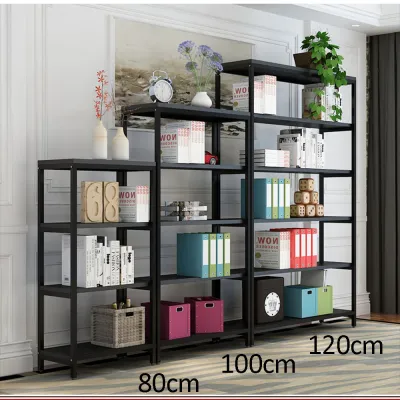


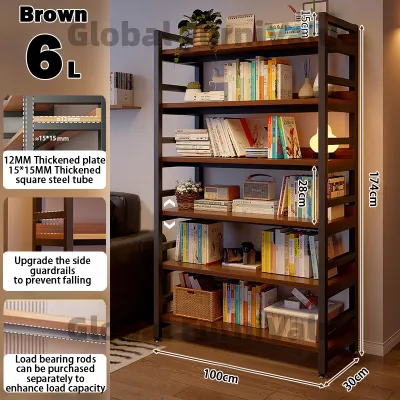
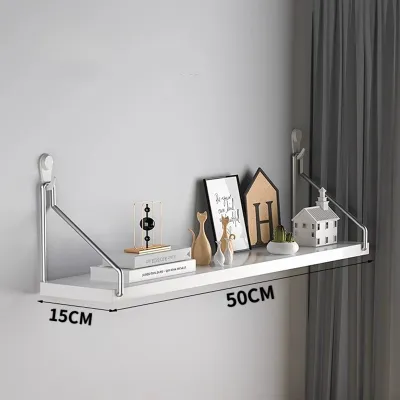
Prices are valid at publication and may change. Please refer to the product page for the latest price.
Once you have mapped out the physical space, categorize the items you plan to store. A bookshelf holding lightweight decorative items, small potted plants, and paperbacks requires a different structural capacity than one intended for heavy law books, technical manuals, or thick binders. Group your items by size and weight to estimate the total load capacity you will require. Standard office binders, for example, require deeper shelves and more vertical clearance than standard novels, so noting these requirements early will help you filter out units with fixed shelves that are too shallow or closely spaced.
Inspect Material Quality and Structural Joints
The durability of a wood and metal bookshelf relies heavily on the quality of its raw materials and how they are joined together. When evaluating the metal frame, pay close attention to the thickness or gauge of the steel. Thinner, lightweight metal frames are prone to flexing and swaying under heavy loads, whereas thicker, heavy-gauge steel provides a rigid foundation. Inspect the welding points at the corners and intersections; high-quality frames feature smooth, continuous welds that distribute stress evenly, while spotty or uneven welds can indicate weak points prone to failure. Additionally, verify that the metal has a durable powder-coated or rust-resistant paint finish to protect it from moisture and oxidation, which is particularly important in humid coastal regions.

The wood shelves themselves deserve equal scrutiny. Solid wood shelves, such as those made from mahogany, acacia, or pine, offer exceptional natural strength and a premium feel, but they must be properly sealed to prevent warping in humid conditions. If you opt for engineered wood, such as medium-density fiberboard (MDF) or particleboard, inspect the quality of the laminate or veneer. Check the edge banding—the thin strip of material that covers the exposed edges of the engineered wood—to ensure it is tightly adhered without any peeling or bubbling. High-quality edge banding prevents moisture from penetrating the core material, which can cause the shelves to swell and sag over time.
Finally, examine the connection mechanisms that secure the wood shelves to the metal frame. Sturdy designs often utilize dedicated metal brackets, heavy-duty machine screws, or threaded metal inserts embedded directly into the wood. These systems allow for a tight, secure connection that can withstand lateral forces. Be cautious of units that rely on simple wood screws driven directly into the underside of engineered wood shelves, as these connections can easily strip during assembly or loosen under the vibration of daily use, compromising the stability of the entire structure.
Prioritize Functional Features for Daily Use
A great bookshelf does more than just hold books; it enhances the daily efficiency and safety of your home office. One of the most practical features to look for is adjustable shelf heights. Bookshelves with pre-drilled peg holes or modular bracket systems allow you to customize the vertical spacing between shelves. This flexibility is invaluable when you need to accommodate oversized reference books, storage boxes, or even small office appliances like a printer or scanner. Fixed-shelf units, while often structurally rigid, can limit your storage options and leave you with wasted vertical space.
In a modern home office, managing power cords and cables is a constant challenge. Look for bookshelves that incorporate smart cable management solutions. Some designs feature open-back frames that allow cords to pass freely behind the unit, while others include dedicated grommets or routing channels built into the shelves themselves. Keeping power cables for desk lamps, chargers, and electronic devices organized not only improves the visual appeal of your workspace but also reduces tripping hazards and protects your equipment from accidental unplugging.
Safety is a key consideration, particularly with tall or narrow shelving units. Because wood and metal bookshelves can become top-heavy when loaded with books, they present a potential tip-over hazard. Check if the manufacturer includes an anti-tip kit or heavy-duty wall-anchoring hardware. Anchoring the bookshelf securely to a wall stud or solid masonry wall is a crucial step to ensure the unit remains stable, protecting both your valuable equipment and anyone working in the room.
Filter Options Based on Your Specific Setup
To narrow down your choices, align the bookshelf’s design with your specific spatial constraints and aesthetic preferences. If your primary goal is heavy-duty storage for a vast collection of physical media, prioritize structural reinforcement. Look for units that feature thick metal uprights, solid wood shelves, and a rear X-brace or cross-tension bars. These cross-braces are essential for preventing lateral swaying, ensuring the bookshelf remains rock-solid even when loaded to its maximum capacity.
For compact home offices or multi-purpose rooms, a different design strategy is required. In tight spaces, a bulky, solid-backed bookshelf can make the room feel cramped and dark. Instead, focus on narrow-footprint units, ladder-style bookshelves, or open-back designs. Open-back bookshelves allow the wall color to show through, creating a sense of visual lightness and making the room feel more spacious. These units can also double as stylish room dividers in open-plan living spaces, defining your work area without blocking natural light.
Aesthetic integration is the final piece of the puzzle. To create a cohesive and professional look, match the wood stain of the bookshelf to your existing office desk or storage cabinets. If your desk features a warm oak finish, look for a bookshelf with a similar tone and grain pattern. Pay attention to the metal finish as well; matte black metal frames lend a bold, industrial character to the room, while white or brushed brass frames offer a softer, more contemporary look that complements minimalist or Scandinavian-inspired interiors.
Verify Specifications and Assembly Requirements
Before finalizing your purchase, take the time to verify the technical specifications and assembly requirements of the bookshelf. Carefully read the manufacturer’s documentation to identify the maximum weight capacity per shelf and the total load limit for the entire unit. Avoid exceeding these limits, as overloading can lead to permanent shelf bowing or structural failure. If the weight limits are not clearly stated, contact the retailer or manufacturer to confirm them before buying.
Next, evaluate what is required to assemble the unit. Review the assembly instructions to see if specialized tools are needed or if the package includes everything required, such as Allen keys and basic hardware. Ensure you have a clear, flat workspace—preferably covered with a soft blanket or rug to prevent scratching the finishes—to lay out the parts. Consider the complexity of the frame; while some simple ladder shelves can be assembled by one person in under an hour, larger units with heavy metal frames and multiple shelves often require two people to lift and align the components safely.
Lastly, protect your investment by reviewing the retailer’s return policies and the manufacturer’s warranty coverage. A reliable warranty should cover structural defects, missing hardware, or damage that occurs during transit. Knowing that you can easily request replacement parts or return a defective unit provides peace of mind, ensuring that your new wood and metal bookshelf arrives in excellent condition and serves as a durable, functional centerpiece for your home office for years to come.
Frequently Asked Questions (FAQ)
How do I prevent wood shelves from sagging on a metal frame?
To prevent wood shelves from bowing or sagging over time, always adhere strictly to the manufacturer’s stated weight limits. When organizing your books, distribute the weight evenly across the shelf rather than concentrating heavy items in the center. Place your heaviest volumes, such as encyclopedias or thick binders, at the outer edges of the shelf closest to the metal support brackets, where the frame is strongest. If you are using wider shelves, look for units that feature an under-shelf support bar or a center metal bracket to provide extra reinforcement against gravity.
Is it safe to place a wood and metal bookshelf near a window?
Placing a wood and metal bookshelf directly next to a window requires careful consideration of environmental factors. Direct sunlight can cause wood finishes to fade unevenly and may lead to thermal expansion in the metal frame, potentially loosening the joints over time. Additionally, high humidity from open windows can cause engineered wood to warp or swell, and can promote rust on metal frames with compromised coatings. To protect your bookshelf and its contents, use UV-blocking window treatments, maintain a stable indoor humidity level, and position the unit slightly away from direct sun exposure and drafts.

Community discussion
Share your experience or ask a question. Comments are reviewed before publication.