
Selecting the right wood organizer for your study room is not about finding a single, universally perfect piece of furniture. Instead, the most effective storage setup comes from matching the specific items you need to organize—such as heavy textbooks, daily stationery, or loose cables—with the appropriate structural design and the physical limits of your room. A mismatched organizer can lead to sagging shelves, cluttered desks, or even safety hazards. By diagnosing your storage needs, verifying space constraints, and understanding material care, you can create an efficient, organized, and visually cohesive study environment.
Identify What You Need to Store
Before browsing different furniture styles, take a detailed inventory of the items currently cluttering your study room. Categorizing these items by their physical characteristics and how often you use them will establish a clear baseline for your purchasing decisions.
Begin by separating your belongings by weight and size. Heavy objects, such as thick academic textbooks, reference manuals, and multi-ring binders, require robust structural support that will not sag over time. Medium-sized items, including novels, journals, and standard notebooks, need moderate shelf height and depth but place less stress on the furniture frame. Small accessories, such as pens, paperclips, charging cables, and sticky notes, are easily lost and require specialized, compartmentalized storage to keep them orderly and accessible.
Products mentioned in this guide
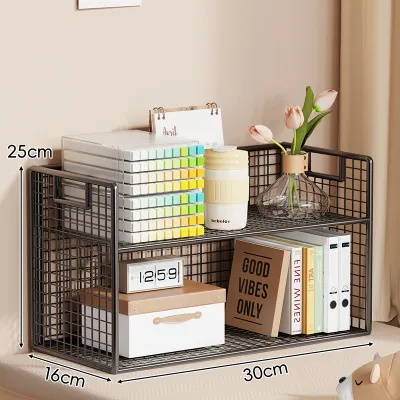

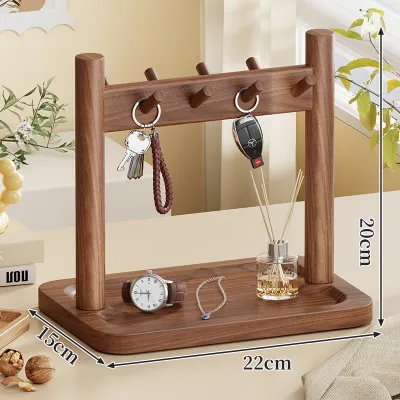
Prices are valid at publication and may change. Please refer to the product page for the latest price.
Next, evaluate how frequently you need to access each item. Daily-use items, such as your current reading book, active project files, and writing utensils, must be kept within immediate reach of your desk chair. On the other hand, occasional or archival materials, such as tax documents, old school projects, or seasonal supplies, can be stored further away, such as on high shelves or in secondary storage units.
Finally, determine your visual preference for the room. Open display storage, like open bookshelves or desktop racks, makes retrieving items incredibly fast and allows you to showcase decorative pieces. However, it requires constant neatness to avoid looking chaotic. Closed storage, such as drawer units or cabinets with doors, conceals visual clutter and protects sensitive electronics or documents from dust, which is highly beneficial for maintaining a clean, distraction-free study space.
Match Organizer Styles to Your Items
Once you have categorized your study room items, you can match them to the wood organizer styles best suited to support and contain them. Each configuration serves a distinct purpose and carries specific structural considerations.

Bookcases and shelves are the foundation of any study room, particularly for storing heavy books and large files. When evaluating a wooden bookcase, check the manufacturer’s specified load limits per shelf in the product manual. Look for units with adjustable shelving support, which allows you to customize the vertical clearance for tall binders or small paperbacks. Ensure the joints are sturdy and the backing panel is securely attached, as this panel provides crucial lateral stability to prevent the bookcase from swaying.
Desktop racks are ideal for keeping high-frequency stationery and active reading materials organized right at your workstation. These compact organizers often feature a mix of small shelves, slots, and tiny drawers. Before purchasing a desktop wood organizer, measure your available desk surface area carefully. Ensure the organizer fits comfortably alongside your computer monitor, keyboard, and mouse without restricting your arm movement or crowding your primary working zone.
Wall-mounted units are excellent for utilizing vertical space, especially in smaller study rooms where floor space is limited. These shelves are best reserved for lighter items, such as small decorative plants, framed photos, or lightweight notebooks. Installing wall-mounted organizers requires verifying your wall structure. Concrete or masonry walls, common in many homes, require specific wall plugs and masonry drill bits, while drywall installations require locating wooden studs or using heavy-duty toggle bolts.
Drawer units are the premier choice for concealing small clutter, important documents, or sensitive electronics. They keep items dust-free and out of sight, contributing to a minimalist aesthetic. When choosing a wooden drawer unit, check the internal drawer depth to ensure your files or storage trays will fit. Additionally, review the sliding mechanisms in the product specifications; high-quality drawer glides or safety stops prevent the drawers from pulling out completely or jamming during daily use.
Verify Space, Clearance, and Installation Safety
A wood organizer must not only hold your items but also fit safely within your study room without obstructing movement or creating physical hazards. Taking precise measurements and planning for installation are critical steps in the selection process.
Start by measuring the available space in your room and comparing these measurements against the finished dimensions of the organizer. Do not just measure the floor footprint; consider the height and depth as well. Ensure that the organizer will not block doors, windows, light switches, or electrical outlets. If you are placing a drawer unit or a cabinet with swinging doors near your desk, verify that there is enough clearance for the drawers or doors to open fully without hitting your chair or other furniture.
Stability and tipping risks are paramount safety concerns, particularly for tall bookcases or heavy shelving units. Any organizer that stands significantly taller than it is deep poses a tipping hazard if overloaded or subjected to accidental bumps. Check the product packaging or manual to verify if the manufacturer includes anti-tip anchoring hardware. You must ensure your wall material can support these fasteners; anchoring a heavy wooden unit into weak plaster or unsupported drywall without the correct anchors can lead to structural failure.
Lastly, review the assembly conditions before purchasing. Many wood organizers are delivered flat-packed and require self-assembly. Check the manufacturer’s instructions to see what tools are required and whether the assembly process demands a second person. Attempting to lift, align, or secure heavy wooden panels alone can lead to personal injury or damage to the furniture joints.
Check Wood Labels and Care Requirements
The longevity and appearance of your wood organizer depend heavily on the materials used and how well you maintain them. Reading product labels and understanding care instructions will help you protect your investment.
Always read the material labels carefully to distinguish between solid wood, engineered wood (such as MDF or particleboard), and wood veneers. Solid wood offers natural grain patterns and exceptional durability, but it can be heavy and sensitive to environmental changes. Engineered wood is often more uniform and budget-friendly, but its load capacity and moisture resistance can vary widely. Veneers provide the look of solid wood over an engineered core, requiring gentle care to prevent the outer layer from peeling. Understanding these structural characteristics helps you choose a material that matches both your aesthetic preferences and your functional needs.
Review the surface finish care guidelines provided by the manufacturer. Different finishes—such as lacquer, oil, wax, or paint—require specific cleaning methods. Avoid using unauthorized chemical cleaners, harsh detergents, or abrasive scrubbing pads, as these can permanently strip the protective sealant, dull the finish, or discolor the wood.
Finally, check the environmental limits specified in the product manual. In tropical climates like the Philippines, high humidity and ambient moisture are constant factors that can affect wood furniture. Excess moisture can cause untreated wood to swell, warp, or develop mold, while direct sunlight from nearby windows can dry out the wood, causing it to crack or fade. Look for organizers with moisture-resistant finishes and position them away from direct sunlight and damp walls to ensure they remain in excellent condition for years to come.
Frequently Asked Questions (FAQ)
Can I mix different wood organizer styles in one study room?
Yes, mixing different wood organizer styles—such as combining a tall bookcase for reference materials with a small desktop rack for daily stationery—is an excellent way to maximize storage efficiency. To maintain visual cohesion, choose organizers with consistent wood finishes, matching paint colors, or similar metal hardware. If the wood grains do not match perfectly, you can tie the room together by using matching storage baskets or organizing bins on the shelves.
How do I prevent a tall wood bookcase from tipping over?
To prevent a tall wood bookcase from tipping, always install the anti-tip anchoring hardware provided by the manufacturer. Secure the brackets to the back of the bookcase and anchor them directly into a wall stud or a solid concrete wall using the appropriate wall plugs and screws. Additionally, place your heaviest textbooks, binders, and files on the bottom shelves to lower the unit’s center of gravity, reserving the upper shelves for lighter items.
What is the best way to clean dust from wood desk organizers?
The safest way to clean dust from wood desk organizers is to use a soft, dry microfiber cloth to gently wipe the surfaces daily. For deeper cleaning, use a slightly damp cloth with water only, wiping along the direction of the wood grain. Immediately follow up with a separate dry microfiber cloth to remove any residual moisture, as standing water can damage the wood finish, swell the joints, or cause engineered wood to expand. Avoid using multi-purpose household sprays or silicone-based polishes unless they are explicitly approved by the manufacturer.

Community discussion
Share your experience or ask a question. Comments are reviewed before publication.