
Selecting the right wooden bookshelf storage rack for your home office requires balancing aesthetic appeal with practical utility. A well-chosen shelving unit organizes your workflow, secures expensive office equipment, and maximizes floor space. To make the right choice, you must evaluate your storage inventory, understand structural load capacities, and select materials that can withstand local environmental conditions. By taking a systematic approach to dimensions, weight limits, and safety, you can find a durable storage solution that enhances both your productivity and your workspace design.
Assess Your Home Office Storage Inventory
Before browsing online marketplaces or visiting local furniture showrooms, conduct a thorough inventory of the items you plan to store. Grouping your office supplies by weight and size prevents future structural issues and helps you determine the necessary shelf configuration. Heavy items, such as multi-function printers, paper shredders, and thick reference manuals, require robust support and should be planned for lower levels. Medium-weight items like standard binders, document organizers, and storage boxes need moderate vertical clearance, while light items like decorative plants, framed photos, and small desk accessories can occupy higher, more delicate shelves.
Take physical measurements of your largest items before browsing. Measure the height of your tallest binder and the depth of your deepest storage box. This step ensures you do not purchase a wooden bookshelf storage rack with shallow shelves that cause items to overhang or fail to fit vertically.
Products mentioned in this guide
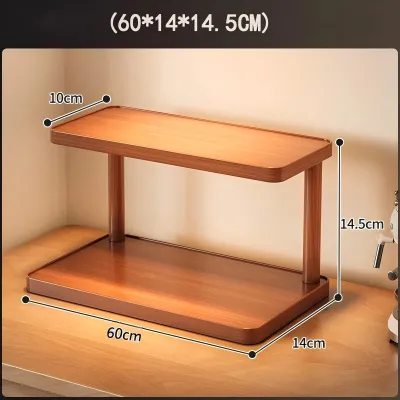
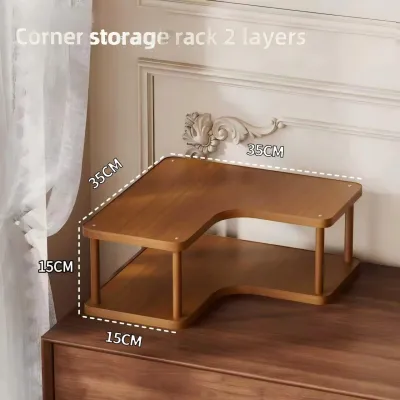
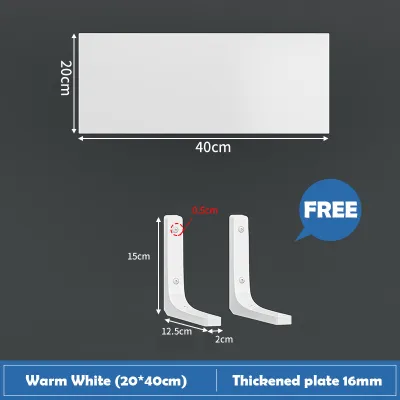
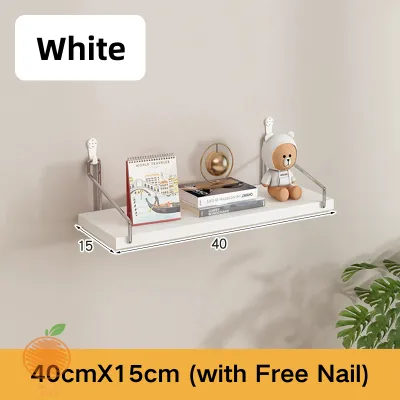
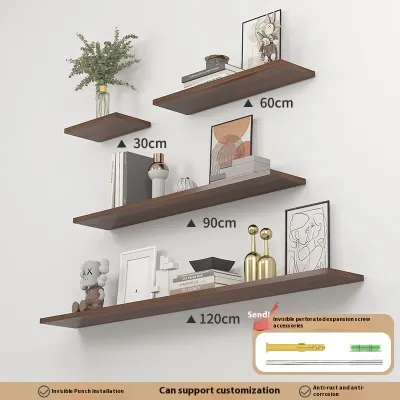
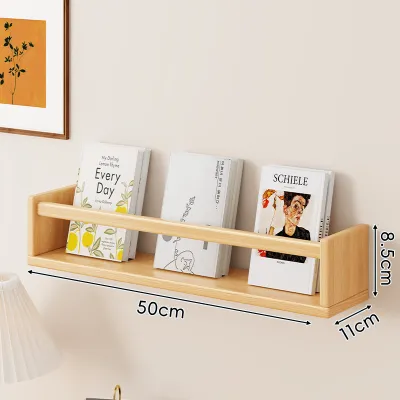
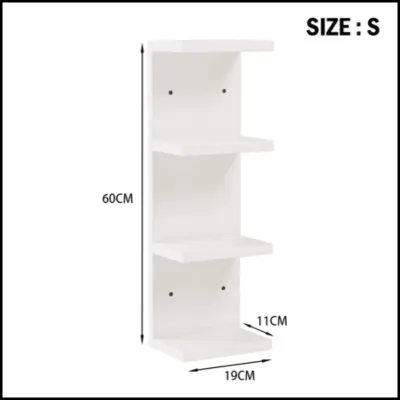
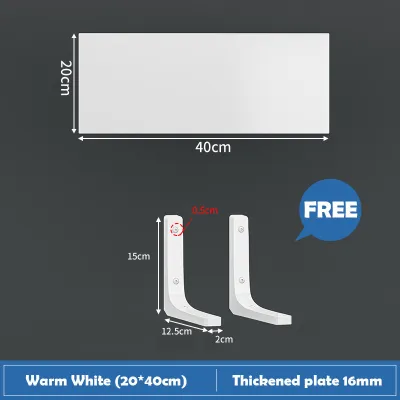
Prices are valid at publication and may change. Please refer to the product page for the latest price.
Additionally, decide which items require open display and which need enclosed storage. Open shelving is excellent for frequently accessed books, reference materials, and decorative elements that personalize your workspace. Conversely, enclosed cabinets, drawers, or integrated boxes are well-suited for concealing messy cables, sensitive documents, and miscellaneous office supplies that can create visual clutter.
Determine the Right Dimensions and Configuration
Once you have a clear picture of your storage inventory, match these needs to the physical dimensions of your home office. Measure your available floor space carefully, taking into account baseboards, wall outlets, and light switches. It is also vital to measure doorway clearances, hallways, and lift dimensions to ensure the fully assembled unit or its flat-pack packaging can safely navigate the path to your office.

Evaluate the height of your walls against the height of potential bookshelves. Tall vertical units maximize storage in compact rooms but require secure anchoring and can sometimes make a small space feel cramped. If your room has low ceilings or limited natural light, a low-profile, wide console bookshelf might be a more suitable choice to keep the space feeling open and airy.
The choice between fixed and adjustable shelving configurations significantly impacts the long-term utility of your wooden bookshelf storage rack. Fixed shelves offer excellent structural rigidity and are excellent if your inventory consists of uniform book sizes. However, adjustable shelves utilize peg-and-hole systems that allow you to customize the vertical clearance, giving you the flexibility to accommodate tall binders, storage bins, or changing office equipment over time.
If you anticipate your professional library or equipment needs expanding, consider modular or expandable storage setups. Many modern wooden shelving systems allow you to place matching units side-by-side or stack compatible components. This modularity ensures your furniture can grow alongside your business or career without requiring a complete replacement of your existing setup.
Evaluate Load Capacity and Structural Support
A common mistake when choosing a wooden bookshelf storage rack is overlooking the weight capacity of individual shelves. Overloading a shelf leads to sagging, structural instability, and potential damage to your valuable office equipment. Always check the manufacturer’s product specifications and labels for the maximum load capacity per shelf, as well as the total weight limit for the entire unit.
Inspect the structural features that contribute to a bookshelf’s overall stability. A solid back panel, rather than a thin cardboard backing, adds significant lateral strength and prevents the unit from swaying or leaning over time. Look for units that feature cross-braces or reinforced corner brackets, which distribute weight more effectively across the frame. The type of shelf support pins also matters; heavy-duty metal pins are generally more reliable and less prone to shearing under load than plastic pins.
The relationship between shelf span—the horizontal width of an individual shelf—and weight distribution is a critical factor in preventing bowing. A long, wide shelf without center support is highly susceptible to sagging, even when constructed from quality wood. If you plan to store dense collections of heavy books or law journals, look for units with shorter shelf spans, thicker shelf boards, or integrated vertical dividers that provide mid-span support.
Verify Wood Materials, Finishes, and Assembly Conditions
Understanding the differences in wood materials is essential for selecting a durable bookshelf that fits your budget and aesthetic preferences. Solid wood offers classic beauty, exceptional strength, and the ability to be refinished, but it can be sensitive to environmental shifts. Engineered wood, such as high-density fiberboard or medium-density fiberboard (MDF), provides a consistently flat, warp-resistant surface that is highly cost-effective, though its durability depends heavily on the quality of the construction and edge banding.
In tropical climates where humidity levels fluctuate, the quality of the surface finish is just as important as the underlying material. Check product labels for moisture-resistant sealants, protective laminates, or polyurethane topcoats. A high-quality finish protects engineered wood from absorbing atmospheric moisture, which can cause swelling or peeling, and ensures the surface is easy to clean with a simple damp cloth during routine dusting.
Before finalizing your purchase, review the assembly requirements and conditions. Verify what tools are required for setup, such as a rubber mallet, screwdriver, or level, and ensure you have enough open floor space to assemble the unit safely. If the manufacturer recommends professional assembly or if the unit is exceptionally heavy and complex, factoring in professional installation can save time and guarantee that the bookshelf is constructed safely and securely.
Final Placement, Safety, and Maintenance Checks
The long-term durability of your wooden bookshelf storage rack depends heavily on its placement within your home office. Avoid positioning the unit in direct sunlight, as prolonged UV exposure can fade wood stains, dry out finishes, and cause cracking. Keep the bookshelf away from air conditioning vents and high-moisture areas to prevent localized humidity changes from warping the wood panels or loosening glued joints.
Safety should always be a primary consideration during installation. Tall or top-heavy bookshelves pose a tipping hazard, especially when loaded with heavy items on upper shelves. Review the manufacturer’s wall-anchoring instructions and utilize the included anti-tip kit to secure the unit firmly to your wall. Ensure you use the correct anchors for your specific wall type, whether it is concrete, drywall, or plaster.
Finally, establish a regular maintenance routine to keep your bookshelf in good condition. Every few months, take a moment to inspect the shelf pins, structural joints, and connecting hardware for any signs of loosening. Tightening loose screws and ensuring the unit remains level on your office floor will prevent structural fatigue and keep your storage system stable for years to come.
Frequently Asked Questions (FAQ)
Can I use a wooden bookshelf storage rack for heavy office equipment?
Yes, you can use a wooden bookshelf for heavy office equipment, provided you verify the manufacturer’s concentrated load limits first. Always compare the weight of your printer, scanner, or paper shredder against the specified capacity of the individual shelf. To maintain stability and keep the unit’s center of gravity low, place heavy equipment on the bottom shelf or the reinforced base layer rather than on upper shelves.
How do I prevent wooden shelves from sagging under heavy books?
To prevent sagging, check the thickness of the shelves and look for structural reinforcements like front lip moldings, back rails, or center support brackets. If you are unsure of the exact load capacity, reduce the unsupported span by using vertical bookends or dividers. Additionally, distribute the weight strategically by placing your heaviest books near the outer edges of the shelf close to the vertical supports, rather than clustering them in the middle.

Community discussion
Share your experience or ask a question. Comments are reviewed before publication.