
Selecting a wooden shelf rack organizer for a study room requires balancing aesthetic preferences with the practical demands of storing heavy books, files, and equipment. Without standardized industry ratings for every product, making a confident choice means relying on measurable dimensions, verifiable manufacturer specifications, and structural details. In tropical climates like the Philippines, where seasonal humidity shifts from dry heat to heavy rain, wood behaves dynamically, expanding and contracting in response to moisture in the air. To find a piece that balances aesthetic warmth with long-term durability, you must look past surface-level appeal and evaluate physical dimensions, material specifications, load limits, and structural joints.
Measure Your Study Room Space and Delivery Path
Before browsing online marketplaces or visiting local furniture showrooms, you must establish the precise physical boundaries of your study room. Begin by measuring the designated floor space where the shelf will stand. Use a steel measuring tape to record the width, depth, and height of the area, and do not forget to account for baseboards. Baseboards often protrude a centimeter or two from the wall, which can prevent a flat-backed shelf from sitting flush against the vertical surface, potentially affecting its stability and alignment.
Vertical clearance is equally critical, especially if you are considering a tall bookcase or a unit with overhead cabinets. If you select a flat-pack model that requires assembly on the floor before being raised upright, you must calculate the diagonal clearance of the unit. The diagonal measurement of the shelf’s side panel must be less than your ceiling height; otherwise, you will not be able to stand the assembled organizer upright without scraping the ceiling or getting it wedged.
Products mentioned in this guide
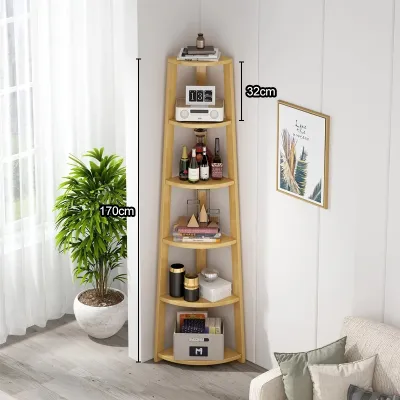
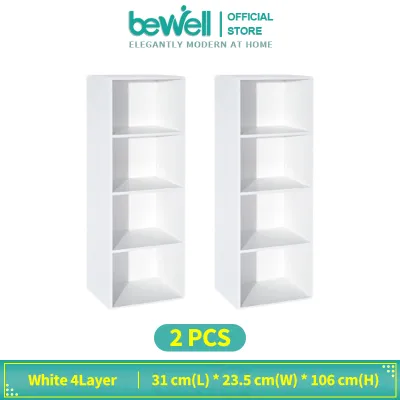
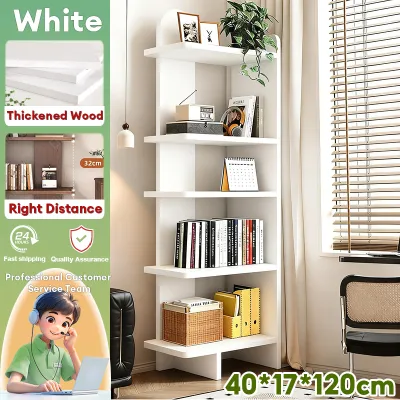

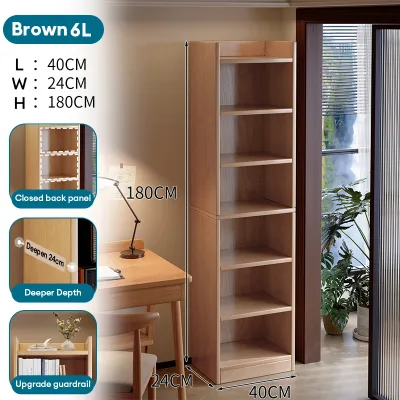
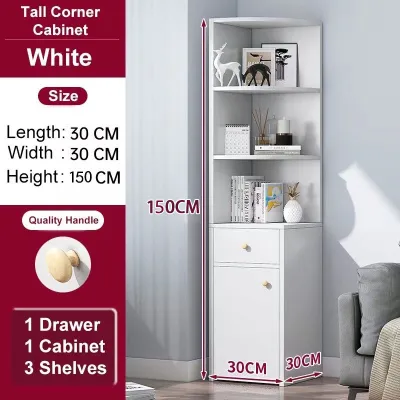
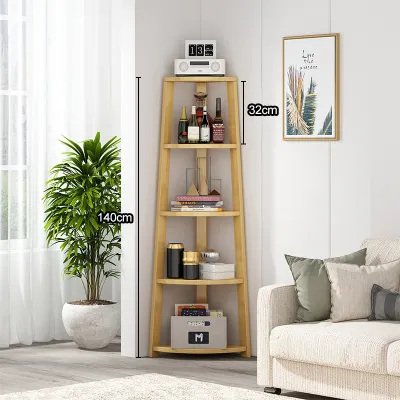
Prices are valid at publication and may change. Please refer to the product page for the latest price.
Beyond the final resting spot, you must map out the entire delivery path from the street to your study room. Measure the width and height of every doorway, hallway turn, and stairwell that the delivery team or you will need to navigate. For those living in high-rise condominiums or apartments, measure the interior dimensions of the elevator cabin and its door opening. A large, pre-assembled wooden shelf or a massive flat-pack box can easily become trapped in a tight stairwell corner or fail to fit inside a standard lift, leading to costly return fees or unexpected delivery complications.
Finally, consider how the shelf will interact with the existing layout of your study room. Ensure that its placement does not block natural light from windows, obstruct air conditioning vents, or interfere with the swing of doors and drawers. Leave at least 60 to 90 centimeters of open floor space in front of the shelf so you can comfortably stand, bend down, or pull out storage bins without feeling cramped.
Evaluate Wood Types and Surface Finishes
The material composition of your shelf organizer directly dictates its longevity, weight, and resistance to environmental wear. When reviewing product specifications, you will generally encounter three primary categories: solid wood, engineered wood, and wood veneers. Solid wood, such as acacia, mahogany, or pine, offers exceptional natural beauty and structural strength, but it is highly sensitive to humidity fluctuations. Without proper sealing, solid wood can warp, split, or cup as it absorbs and releases moisture from the air.

Engineered wood, which includes medium-density fiberboard (MDF) and particleboard, is a common and budget-friendly alternative. These materials are highly uniform and do not warp in the same manner as solid wood, but they are highly vulnerable to water damage. If moisture penetrates the outer protective layer of an MDF shelf, the fibers inside will swell and crumble, permanently ruining the structure. Wood veneer offers a middle ground, featuring a thin layer of genuine hardwood bonded to a stable plywood or MDF core, providing the appearance of solid wood with improved resistance to warping.
To protect your investment, look closely at the surface finishes and edge treatments specified by the manufacturer. High-quality wooden shelves feature protective sealants such as polyurethane, lacquer, or melamine coatings. These finishes act as a barrier against moisture, dust, and minor scratches. Pay close attention to the edge banding on engineered wood shelves; fully sealed, thick edge banding prevents humidity from seeping into the core material, which is especially vital during the rainy season when indoor humidity levels rise.
Always review the manufacturer’s care instructions before finalizing your choice. Some finishes require regular oiling or waxing to maintain their protective qualities, while others can be easily cleaned with a dry microfiber cloth. Avoid shelves that leave raw, unsealed wood exposed on the back panel or the undersides of the shelves, as these hidden areas are highly susceptible to mold growth and moisture absorption in humid climates.
Verify Load Capacity and Structural Stability
A study room shelf must be engineered to handle significant weight. Textbooks, reference manuals, legal binders, and desktop printers are deceptively heavy, and overloading a shelf can lead to permanent sagging or catastrophic structural failure. To prevent this, locate the manufacturer’s stated load capacity, which is typically expressed as a maximum weight limit per shelf and an overall weight limit for the entire unit.
Do not rely on visual thickness alone to judge strength. A thick shelf made of low-density particleboard may sag faster under a heavy load than a thinner shelf made of high-quality plywood or solid hardwood. Inspect the product details for structural reinforcements, such as support bars running underneath the shelves, thick back panels that prevent lateral swaying, and robust joint construction. Look for joints secured by dowels, heavy-duty screws, or metal brackets rather than simple glue and finishing nails.
Stability is also a critical safety consideration, particularly for tall or narrow shelf organizers. As you load books onto the upper shelves, the unit’s center of gravity shifts upward, making it prone to tipping forward if bumped or during minor seismic tremors. Check if the manufacturer includes an anti-tip safety kit with the purchase. These kits typically consist of brackets, straps, and wall anchors designed to secure the shelf firmly to the wall studs or concrete masonry.
If your study room has uneven flooring, look for shelf organizers equipped with adjustable leveling feet. These small, screw-in glides allow you to compensate for sloped floors, ensuring the unit remains perfectly vertical and stable. A shelf that leans even slightly forward puts continuous stress on its joints and increases the risk of tipping, making leveling mechanisms an invaluable feature for older homes or tiled floors.
Match Shelf Configurations to Your Study Essentials
An effective shelf organizer must accommodate the specific items you use daily. Before choosing a layout, take an inventory of what you plan to store. If your collection consists of a mix of tall binders, standard novels, small decorative items, and storage boxes, look for a unit with adjustable shelving. These systems use metal support pins and pre-drilled holes along the interior sides, allowing you to customize the height of each compartment to eliminate wasted vertical space.
Shelf depth is another critical dimension that is often overlooked. Standard novels and paperbacks fit comfortably on shelves with a depth of 20 to 25 centimeters. However, if you need to store large binders, architectural portfolios, or plastic storage bins, you will require a depth of at least 30 to 35 centimeters. Measure your largest items beforehand to ensure they will not overhang the front edge, which looks untidy and increases the risk of items being knocked off.
Consider how integrated design features can enhance your study room’s functionality. For instance, built-in cable management cutouts or grommets are essential if you plan to place a printer, a charging station, or a desk lamp on one of the shelves. This keeps unsightly cords organized and hidden from view. Additionally, a combination of open shelving and closed lower cabinets allows you to display your favorite books while concealing messy paperwork, office supplies, or personal files behind closed doors.
Build Your Shortlist: A Pre-Purchase Verification Checklist
Once you have narrowed down your options to a few strong candidates, it is time to perform a final pre-purchase audit. This step ensures that you do not encounter unexpected hurdles during delivery, assembly, or daily use. Use the following checklist to compare your top choices systematically:
- Dimensional Alignment: Cross-reference the manufacturer's exact product dimensions with your study room measurements, keeping a close eye on baseboard clearance and ceiling height.
- Assembly Requirements: Determine if the unit arrives fully assembled or flat-packed. If assembly is required, check the product listing for the estimated setup time, the number of people recommended for the job, and the necessary tools. Some units may require a rubber mallet, a power drill, or a level that is not included in the box.
- Hardware Quality: Verify that the shelf includes high-quality assembly hardware, such as steel cam locks, wooden dowels, and a dedicated wall-anchoring kit.
- Delivery Logistics: Review the seller's shipping terms. Large wooden furniture can be heavy and difficult to handle. Confirm whether the delivery service includes bringing the boxes inside your home or up to your specific floor, as some carriers charge extra handling fees of ₱300 to ₱1,000 for walk-up apartments without elevators.
- Return and Warranty Policies: Check the retailer's return window and warranty coverage. A reliable warranty should cover manufacturing defects, missing hardware, or structural failures under normal use conditions. Understanding these terms beforehand protects you if the unit arrives damaged or with warped components.
Frequently Asked Questions (FAQ)
How do I prevent a wooden shelf from warping in a humid room?
To protect your wooden shelf from humidity-induced warping, maintain consistent indoor air circulation by using ceiling fans or keeping windows open during dry days. Avoid placing the shelf directly against external concrete walls, which can transfer moisture to the wood; instead, leave a gap of at least two to three centimeters to allow air to flow behind the unit. If your study room consistently experiences high humidity, especially during the rainy season, running a dehumidifier or using air conditioning can help stabilize the indoor climate and protect the wood’s structural integrity.
Can I add casters to a standard wooden shelf rack organizer?
Adding casters to a shelf that was not originally designed for them is generally not recommended. Drilling into the base or legs to install wheels can compromise the structural integrity of the wood and will almost certainly void the manufacturer’s warranty. Furthermore, raising the unit on wheels alters its center of gravity and changes how weight is distributed, significantly increasing the risk of the shelf tipping over when moved or loaded. If mobility is essential for your study room layout, it is best to purchase a shelf that is specifically engineered and certified by the manufacturer to include casters.

Community discussion
Share your experience or ask a question. Comments are reviewed before publication.