
Finding the perfect balance between storage capacity and floor space is the ultimate challenge when selecting wooden wardrobe cabinets. A wardrobe is not merely a box to hang clothes; it is a major architectural element in your bedroom that dictates traffic flow, visual weight, and daily organization. To choose the right setup, you must measure your physical room boundaries, audit your actual wardrobe contents, and select a wood configuration that withstands local environmental factors.
In tropical areas like the Philippines, where high humidity can affect both wood stability and fabric preservation, these decisions require careful planning. An ill-fitting cabinet can make a bedroom feel cramped, while a poorly configured interior leads to wasted space and mold growth. By following a systematic approach to sizing, layout auditing, and material verification, you can invest in a wooden wardrobe that is both highly functional and structurally durable.
Step 1: Measure Your Bedroom Space and Door Clearances
Before browsing styles or finishes, you must establish the absolute physical limits of your bedroom. Begin by measuring the available floor width along the wall where you intend to place the wardrobe. Use a metal measuring tape for accuracy, and take measurements at three different heights—near the floor, at the midpoint, and near the ceiling—as walls in residential homes are rarely perfectly plumb.
Products mentioned in this guide
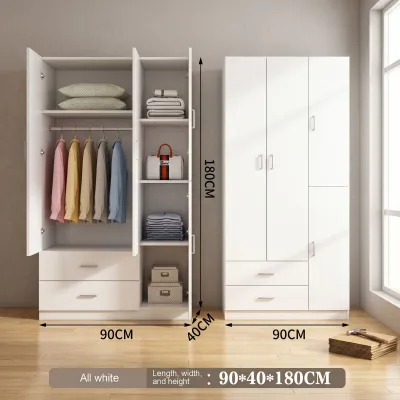
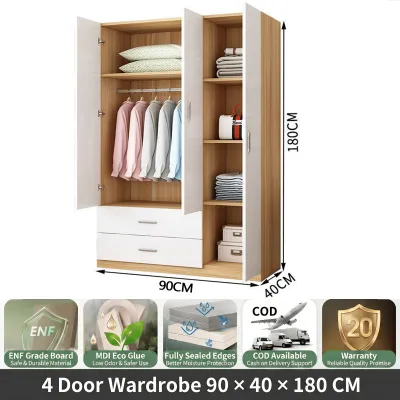
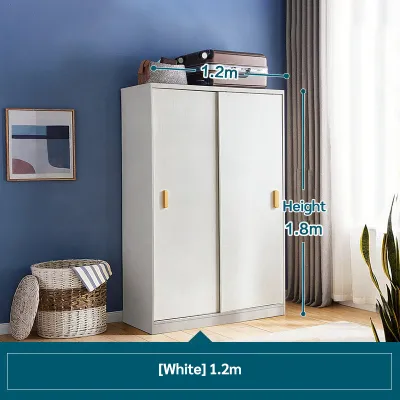
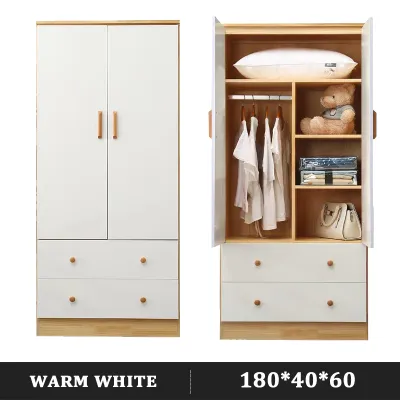
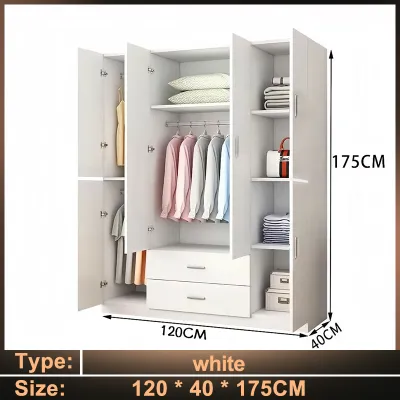
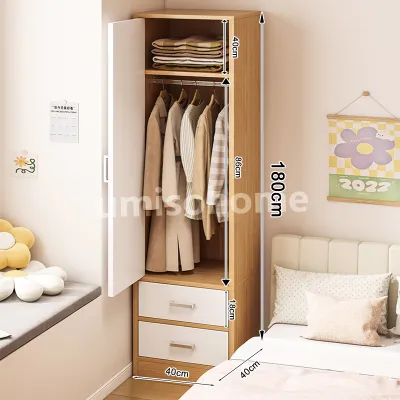
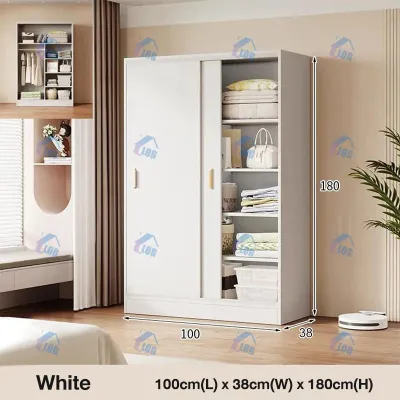
![[On Hand]Nordic Luxury Sliding Door Wardrobe Cabinet Wood Furniture Wardrobe Organizer 180cm Simple Assembly Wardrobe Organizer](https://img.lazcdn.com/g/p/45e2eb46456b947c8dcd5fbb69cbbbae.jpg_400x400q80.jpg_.webp)
Prices are valid at publication and may change. Please refer to the product page for the latest price.
Next, measure the ceiling height from the floor to the lowest point of the ceiling structure. If your room features crown moldings, decorative cornices, or dropped ceilings for air conditioning ducts, measure to the bottom of these features rather than the structural ceiling. Finally, measure the wall depth, ensuring you have enough space to accommodate a standard wardrobe without blocking doorways or window frames.
Always account for architectural obstructions that might prevent the wardrobe from sitting flush against the wall or operating correctly. Skirting boards along the floor will push freestanding wooden wardrobe cabinets forward, so factor this small gap into your depth calculations. Note the locations of wall-mounted power outlets, light switches, air conditioning units, and window sills. Blocking an outlet can render it useless, while placing a heavy wooden cabinet too close to an air conditioner unit can expose the wood to direct temperature fluctuations and condensation.
Calculating the door swing radius is critical if you select hinged doors. Measure the width of the wardrobe doors and sweep that distance out into the room using a piece of painter’s tape on the floor. You must ensure that when the doors are fully open, there is still at least 50 to 60 centimeters of walking clearance between the edge of the open door and adjacent furniture, such as the bed frame or nightstand. If the clearance is too tight, you will constantly struggle to navigate your bedroom when retrieving clothes.
Finally, conduct a thorough delivery route check before finalizing any purchase. Heavy wooden wardrobe cabinets, whether pre-assembled or flat-packed in large panels, must travel from the delivery truck to your bedroom. Measure the width and height of all stairwells, elevator doors, hallways, and interior door frames. A beautiful, solid wood wardrobe is of no use if it cannot clear the turn in your stairwell or fit inside your building’s service elevator.
Step 2: Audit Your Clothing to Define the Internal Layout
The external size of your wardrobe is determined by your bedroom, but the internal configuration must be dictated by your personal wardrobe habits. A common mistake is buying a standard wardrobe and trying to adapt your clothes to its pre-set layout. Instead, perform a comprehensive audit of your current clothing collection and categorize your items to determine the exact ratio of hanging space, shelving, and drawers you require.

Divide your garments into distinct categories to visualize their storage requirements:
- Long hanging: This includes full-length dresses, long coats, maxi skirts, and traditional garments like barongs, which require uninterrupted vertical space to prevent creasing.
- Short hanging: This covers button-down shirts, blouses, jackets, and folded trousers hung over hangers, which can be stacked vertically using double hanging rods.
- Folded items: Heavy t-shirts, knitwear, denim, and casual wear are best stored flat on shelves or in deep drawers.
- Small accessories: Underwear, socks, belts, ties, and jewelry require shallow drawers or specialized organizers to prevent them from becoming lost in deep compartments.
Estimate the volume of each category by measuring the linear centimeters of hanging space your current clothes occupy on a rack. For example, if your short hanging clothes take up 100 centimeters of rod space, you will need at least that much horizontal rod length in your new wardrobe. If you find you have a vast collection of casual folded clothing but very few dresses, prioritize a configuration with ample shelving and drawers over tall, single-rod hanging sections.
Living in a tropical climate requires specific storage considerations that differ from colder regions. In the Philippines, daily wear consists primarily of lightweight cottons, linens, and breathable synthetic fabrics. These garments are prone to wrinkling if packed too tightly, and they benefit greatly from air circulation. Dedicate more space to short hanging rods where lightweight shirts can hang freely, rather than stuffing them into deep, dark shelves where moisture can accumulate. Reserve only minimal space for heavy winter wear or travel gear, placing these seasonal items in vacuum-sealed bags on the very top shelves.
Always plan for future storage growth and seasonal rotation. A wardrobe configured to be 100% full on day one will quickly overflow, leading to cluttered surfaces and compressed clothing that traps humidity. Aim to leave at least 10% to 15% of your wardrobe empty to allow for new acquisitions and to ensure adequate airflow between garments, which is vital for preventing musty odors.
Step 3: Select External Dimensions That Fit Your Room
Once you have your room measurements and clothing audit, you can select the external dimensions of your wooden wardrobe cabinets. Each dimension—depth, height, and width—must balance structural stability, storage capacity, and the visual scale of your bedroom.
Depth The external depth of a wardrobe typically ranges from 55 to 65 centimeters. To ensure your clothes do not touch or crush against the doors, verify the internal depth of the unit. Standard clothes hangers require a minimum internal clearance of 50 centimeters to hang straight. If you choose sliding doors, remember that the track mechanism itself can consume up to 10 centimeters of the wardrobe’s total external depth, meaning you may need a deeper unit overall to maintain adequate internal hanging space.
Height When deciding on height, compare floor-to-ceiling built-in styles with standard freestanding units. Floor-to-ceiling wardrobes maximize vertical storage and eliminate the dusty gap at the top, but they can make a small bedroom feel visually heavy and enclosed. Standard freestanding wardrobes, usually ranging from 180 to 210 centimeters in height, leave space near the ceiling which lightens the room’s visual weight. However, this open top area is prone to dust accumulation and requires regular cleaning, especially in dusty urban environments.
Width Wardrobe width is highly customizable, especially with modular wooden wardrobe cabinets. You can choose a single double-door unit or combine multiple modular sections to span an entire wall. However, be aware of the structural limits of wide wooden spans. Unsupported wooden shelves or hanging rods that span more than 80 to 90 centimeters are highly susceptible to sagging under the weight of heavy clothes. Ensure any wide wardrobe configuration includes vertical dividers or central support panels to distribute the load safely.
Regardless of the dimensions you select, always check the manufacturer’s specifications regarding base leveling and safety anchoring. Tall, heavy wooden cabinets have a high center of gravity, making them a potential tip-over hazard, particularly when multiple drawers are pulled out simultaneously. Verify that the wardrobe includes adjustable leveling feet to compensate for uneven bedroom floors, and ensure you follow the manufacturer’s instructions for anchoring the unit securely to the wall.
Step 4: Choose the Door Style and Internal Components
The door style you choose dictates how you interact with your wardrobe and how much floor space remains usable, while the internal components determine daily organization.
Door Styles
- Hinged (Swing) Doors: These offer full-access visibility, allowing you to open all doors simultaneously to see your entire clothing collection. They are easier to install and maintain, as they rely on simple, adjustable hinges. However, they require significant floor clearance to swing open, making them less suitable for narrow bedrooms.
- Sliding Doors: These are excellent space-savers because they glide parallel to the wardrobe frame, requiring zero clearance in front of the unit. This allows you to place the wardrobe close to the bed. The trade-off is that you can only view one half of your wardrobe at a time, and the sliding tracks require regular vacuuming to prevent dust and debris from jamming the rollers.
Hanging Rods Maximize your vertical hanging space by planning a double hanging rod configuration for shorter items like shirts, folded trousers, and skirts. This effectively doubles your hanging capacity within the same footprint. For long garments, allocate a single high rod with at least 140 to 160 centimeters of vertical clearance below it. Always check the manufacturer’s specifications for the load-bearing capacity of the rods, ensuring they are constructed of thick-walled metal or solid hardwood to prevent bending.
Shelves and Drawers Opt for adjustable shelving systems that allow you to change the height of individual shelves as your storage needs evolve. When planning drawer placement, ensure they are positioned in sections where they will not collide with door hinges, sliding door overlaps, or the wardrobe frame when pulled out. Many modular systems require specific spacer panels or hinge-clearance drawers to operate smoothly.
Ventilation In humid environments, poor airflow inside a wooden wardrobe can quickly lead to musty odors, mildew, and damage to delicate fabrics. To promote continuous air circulation, consider choosing louvered door styles that allow air to pass through while keeping dust out. Alternatively, look for wardrobes designed with breathable back panels, or ensure you leave a small air gap between the back of the wardrobe and the bedroom wall to prevent dampness from transferring from concrete walls to the wooden structure.
Step 5: Verify Wood Stability and Humidity Protection
The choice of wood material and its finish directly impacts how well your wardrobe handles daily wear and environmental moisture. Because wood is a natural, hygroscopic material, it expands and contracts in response to changes in air humidity.
When selecting your wardrobe, understand the differences between solid wood and engineered wood. Solid wood offers exceptional strength, beautiful natural grain, and long-term repairability, but it is highly reactive to humidity changes and can warp or split if not properly seasoned and sealed. Engineered wood, such as Medium-Density Fiberboard (MDF) or high-density particleboard, is highly stable and less prone to warping, making it a practical choice for modern furniture. However, standard engineered wood is highly sensitive to direct water exposure, which can cause the fibers to swell and crumble.
To protect your investment, check product labels and manufacturer specifications for the quality of the protective finishes and edge banding.
- Edge Banding: For engineered wood wardrobes, ensure all exposed edges, especially at the bottom and back of the panels, are completely sealed with high-quality PVC or ABS edge banding. This prevents moisture from entering the core material.
- Surface Seals: Look for wardrobes finished with moisture-resistant lacquers, polyurethane coatings, or high-pressure laminates. These surfaces act as a barrier against humidity and make cleaning much easier.
To maintain your wooden wardrobe cabinets over time, follow these direct care instructions:
- Avoid placing the wardrobe in direct sunlight, as UV rays can fade the wood finish and cause uneven drying, leading to surface cracks.
- Clean the wooden surfaces regularly using a soft, dry microfiber cloth. If a damp cloth is necessary to remove dust, wipe the area dry immediately afterward.
- Refer to the manufacturer's care instructions before applying any commercial wood polishes, waxes, or cleaners, as some chemicals can strip the protective topcoat.
Finally, pay close attention to the quality of the hardware. Heavy wooden doors and drawers place significant stress on moving parts. Look for wardrobes equipped with heavy-duty, adjustable steel hinges, soft-close drawer runners, and smooth-gliding aluminum or steel sliding tracks. High-quality hardware ensures that your wardrobe doors remain perfectly aligned and operate smoothly, even as the wood adjusts to seasonal humidity changes.
Frequently Asked Questions (FAQ)
How much walking clearance is needed for hinged wardrobe doors?
To operate hinged wardrobe doors comfortably, you should allow for the door’s full swing depth plus an additional 50 to 60 centimeters of walking clearance. For example, if your wardrobe has 50-centimeter-wide hinged doors, you need approximately 100 to 110 centimeters of clear space in front of the wardrobe. To test this in your bedroom before purchasing, use painter’s tape to outline the wardrobe’s footprint and the door swing radius on the floor, then walk around the taped area to ensure you can move freely without bumping into other furniture.
Can I install pull-out drawers in a wardrobe with hinged doors?
Yes, you can install pull-out drawers in a wardrobe with hinged doors, but you must plan the layout carefully to avoid hinge interference. Standard cabinet hinges protrude into the internal cabinet space when the door is open, which can block drawers from sliding out. To prevent this, place pull-out drawers in the center section of a multi-compartment wardrobe, use specialized zero-protrusion hinges, or install internal spacer panels that push the drawer runners away from the side walls where the hinges are mounted.
How do I protect a wooden wardrobe from humidity in a tropical climate?
Protecting a wooden wardrobe in a tropical climate requires maintaining consistent airflow and minimizing moisture buildup. Always check the manufacturer’s care labels for specific humidity thresholds and recommended cleaning products. Ensure all clothing is completely dry before hanging or folding it inside the cabinet. Place hanging or container-based moisture absorbers inside the wardrobe compartments, and replace them regularly. Additionally, leave a 2-to-5-centimeter gap between the back of the wardrobe and the bedroom wall to promote air circulation and prevent dampness from transferring from concrete walls.

Community discussion
Share your experience or ask a question. Comments are reviewed before publication.