
Selecting the ideal Zoey closet for your bedroom requires a careful balance between your personal storage needs and the physical constraints of your room. To make a choice that is both functional and visually appealing, you must accurately measure your available floor space, account for essential door and walking clearances, and select an internal layout that matches your wardrobe habits. By verifying the manufacturer’s exact product specifications and assessing your room’s unique layout, you can ensure a seamless fit that keeps your bedroom organized and easy to navigate.
Measure Your Bedroom Space and Clearance Needs
Before browsing different wardrobe styles, you must obtain precise measurements of the designated wall and the surrounding floor area. Using a steel measuring tape, record the width of the wall from corner to corner, the depth from the back wall to the edge of your primary walking path, and the ceiling height at three different points. Measuring the ceiling height in multiple spots is particularly important in homes with concrete ceilings or plaster finishes, as slight structural variances can affect how a tall wardrobe fits.
Once you have the raw dimensions of the room, you must account for the clearance required by other furniture pieces and daily foot traffic. If your wardrobe is positioned near a bed, bedside table, or bedroom door, ensure there is enough open space to move comfortably. A standard walking path requires a clear width of at least 60 to 70 centimeters. If you have a queen-size or king-size bed, map out the space between the edge of the mattress and the front of the closet to prevent the bedroom from feeling cramped or impassable when you are getting dressed.
Products mentioned in this guide
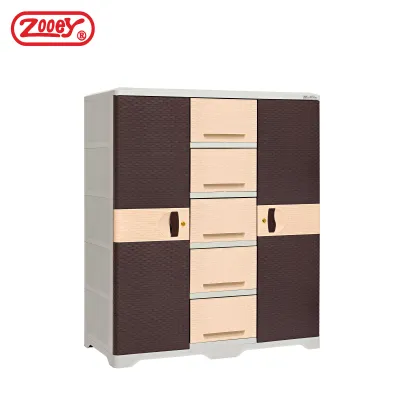
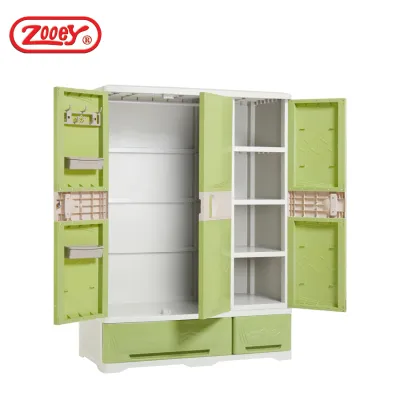
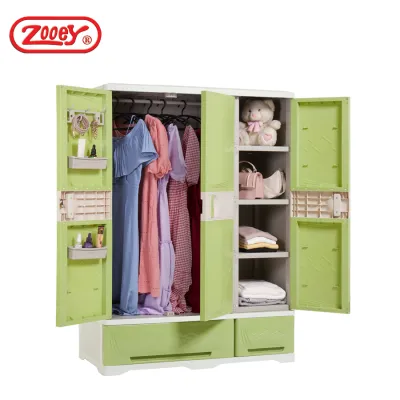
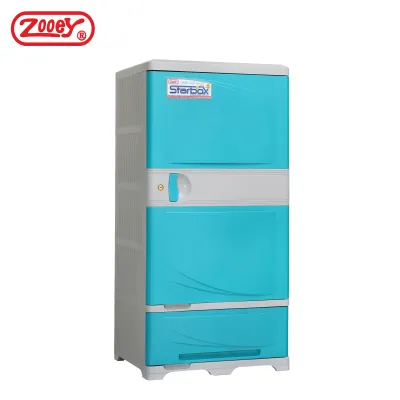

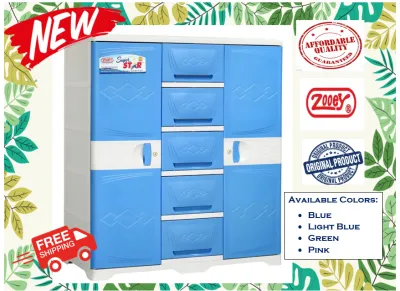
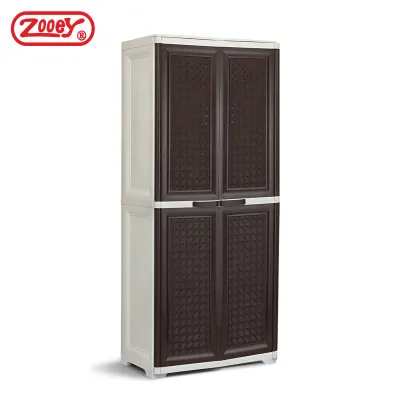

Prices are valid at publication and may change. Please refer to the product page for the latest price.
Finally, do not overlook the delivery and assembly route. A large wardrobe consists of heavy, long packages that must travel from the delivery vehicle to your bedroom. Measure the width and height of your front door, interior hallways, stairwells, and any low-hanging light fixtures. If you live in a high-rise condominium or apartment building, check the interior dimensions of the service elevator and consult the building administration regarding maximum cargo lengths to ensure the packaged panels can safely reach your floor.
Match Zoey Closet Dimensions to Your Room Layout
With your room measurements in hand, you can begin comparing available wardrobe footprints against your physical space. Always refer to the manufacturer’s exact product specifications for the finished width, depth, and height of the closet rather than relying on general size categories. A wardrobe that is even a few millimeters too wide can block window frames, overlap with electrical outlets, or prevent adjacent doors from opening fully.

One of the most critical decisions in matching a closet to your layout is choosing between sliding doors and hinged doors. Sliding door configurations are highly efficient for compact bedrooms because the doors glide horizontally within the frame, requiring zero front clearance to open. However, sliding door mechanisms typically require a slightly deeper cabinet frame to accommodate the track system. Hinged doors, on the other hand, require a completely clear radius in front of the wardrobe to swing open, but they allow you to view the entire contents of your closet at a single glance.
Additionally, examine the architectural details of your room, such as skirting boards, baseboards, and floor evenness. Most homes feature skirting boards along the base of the walls, which can prevent a flat-backed wardrobe from sitting completely flush. Check if the closet design includes a baseboard cutout or if you need to factor in a small gap behind the unit. If your bedroom floor is tiled or slightly uneven, look for wardrobes equipped with adjustable leveling feet, or prepare to use stable shims during installation to prevent the frame from tilting or warping over time.
Choose the Right Internal Configuration for Your Wardrobe
An organized closet relies entirely on an internal layout that matches your daily dressing habits and wardrobe composition. Before selecting a configuration, take inventory of your clothing. If your wardrobe consists primarily of formal wear, dresses, trousers, and collared shirts, you will need a configuration dominated by hanging rods. Conversely, if you wear mostly casual attire, activewear, and folded knitwear, you should prioritize a layout with generous shelving and drawer space.
Opting for a modular system with adjustable shelving and drawer placements provides excellent long-term flexibility. As your storage needs change over the years, or as you transition between different seasonal wardrobes, the ability to reposition shelves or add interior organizers ensures the closet remains highly functional. Drawers are ideal for keeping smaller items, accessories, and undergarments organized and dust-free, while open shelves keep folded items visible and easily accessible.
Before finalizing your internal layout, always verify the manufacturer’s weight limits and structural support specifications. Hanging rods and wide shelves have specific load capacities that must not be exceeded. Heavy items, such as thick denim, winter coats, or stored bedding, should be distributed evenly across the sturdiest sections of the wardrobe. Overloading a single shelf or rod can cause the material to bow, slide out of its support pins, or compromise the structural integrity of the entire cabinet frame.
Avoid Common Sizing and Placement Mistakes
To ensure your wardrobe remains safe and functional, avoid placing tall or wide closet panels where they might block essential room fixtures. Blocking air conditioning vents, wall fans, windows, or light switches can disrupt the comfort and usability of your bedroom. In tropical climates, maintaining proper airflow is crucial; placing a massive wardrobe directly against an external wall without a small air gap can trap humidity, potentially leading to mold growth on both your wall and your clothing.
Another common mistake is assuming that a specific material name automatically guarantees durability and moisture resistance. Regardless of whether a wardrobe is made of engineered wood, solid wood, or laminate, its performance depends heavily on the quality of the finish, the strength of the joints, and your adherence to the care instructions. Always check the product manual for specific guidelines on cleaning, weight distribution, and humidity control to keep the wardrobe in optimal condition.
Finally, prioritize safety by ensuring the wardrobe is securely anchored to the wall. Tall, heavy furniture poses a serious tip-over risk, especially when drawers are pulled out or if children attempt to climb the shelves. If your bedroom walls are made of concrete, hollow blocks, or lightweight drywall, you must use the appropriate wall plugs and anchoring hardware specified for that material. If you lack the necessary tools, experience, or confidence to perform a secure wall-anchoring installation, stop the assembly process and consult a qualified professional installer.
Frequently Asked Questions (FAQ)
How much clearance is needed in front of a hinged-door Zoey closet?
To operate a hinged-door wardrobe comfortably, you must account for both the door swing radius and your own physical standing space. Calculate the door swing radius by checking the width of a single door panel, which typically ranges from 40 to 50 centimeters. In addition to this swing clearance, you should allow at least 60 centimeters of open walking space in front of the fully opened doors so you can stand, browse, and retrieve items without feeling restricted.
Can I adjust the internal shelves of a Zoey closet after assembly?
Yes, most modular closet designs feature pre-drilled adjustment holes spaced vertically along the interior side panels, allowing you to customize the shelf heights. To adjust a shelf, carefully remove it from its current position, pull out the shelf support pins, insert the pins into the new set of holes at your desired height, and rest the shelf securely back on top. Always consult the product manual to ensure you are using compatible shelf pins and to verify the safe weight limits for the newly adjusted configuration.

Community discussion
Share your experience or ask a question. Comments are reviewed before publication.