
Choosing the right wardrobe configuration requires balancing your physical bedroom layout with your daily storage habits. A well-planned setup ensures that every dress, folded shirt, and accessory has a dedicated spot, preventing clutter from taking over your living space and reducing daily morning stress. In tropical climates like the Philippines, where high humidity can affect storage choices, selecting a durable and practical setup—such as a Zooey cabinet and drawer system—helps protect your clothing while maximizing vertical space. By evaluating your room’s dimensions and categorizing your wardrobe beforehand, you can select a configuration that remains functional and easy to access for years to come.
Assess Your Bedroom Space and Clearance
Before browsing online marketplaces or visiting local furniture showrooms, you must establish the exact physical limits of your bedroom. Start by measuring the floor area where you plan to position the wardrobe. Use a metal measuring tape to record the width, depth, and height, making sure to account for baseboards, wall skirting, and the swing radius of nearby doors or windows. If you place the unit too close to a bed frame or a bedroom door, you may find yourself unable to open the cabinet doors fully.
Next, map out the delivery path from the street to your bedroom door. Measure the clearance of your front doorway, narrow hallways, stairwells, and any elevator doors if you live in a condominium. Even if a modular cabinet arrives flat-packed, the individual boxes can be exceptionally long or heavy, requiring sufficient turning space in tight corners. Failing to check these pathways beforehand can lead to costly return fees or damaged walls during delivery.
Products mentioned in this guide
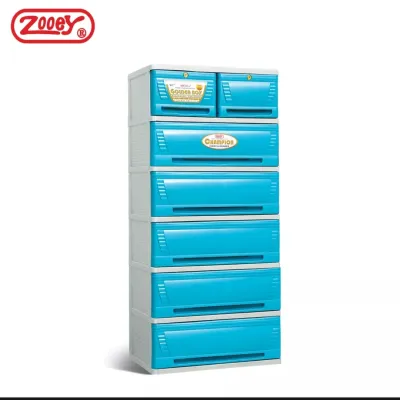
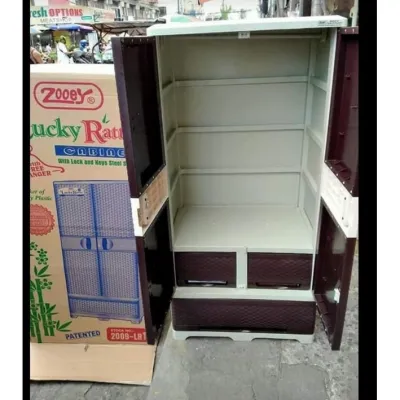
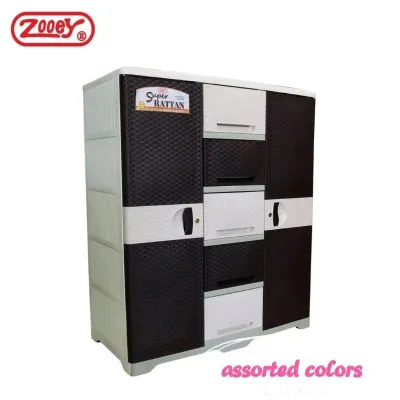

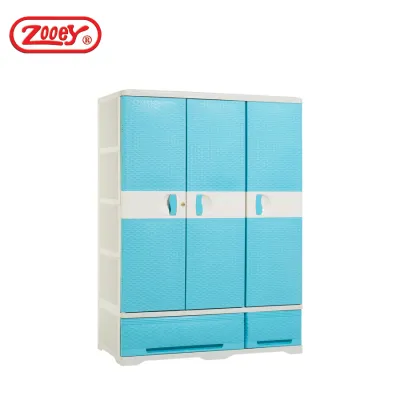
Prices are valid at publication and may change. Please refer to the product page for the latest price.
Finally, look upward to identify any potential vertical obstructions. In many homes, low-hanging air conditioning units, ceiling fans, light fixtures, or sloped ceilings can severely restrict where you can place a tall wardrobe. Ensuring there is at least a few inches of clearance above the cabinet will allow for proper ventilation and prevent damage to your ceiling fixtures during assembly. Additionally, check that your chosen location does not block access to light switches, electrical outlets, or wall vents.
Analyze Your Clothing Storage Needs
An organized wardrobe relies entirely on matching your storage configuration to the actual items you own. Begin by sorting your clothes into distinct categories: long-hanging garments like dresses and trousers, short-hanging items like shirts and jackets, and folded pieces like t-shirts, jeans, and knitwear. If your wardrobe consists mostly of formal wear or long dresses, you will need a configuration dominated by tall hanging rails rather than shelves.

For smaller items such as undergarments, socks, activewear, and accessories, drawers are far more efficient than open shelves. Deep drawers can quickly become disorganized, so look for shallow drawer options or plan to use fabric dividers to keep smaller items separated and visible. This prevents daily essentials from getting lost at the back of the cabinet. If you prefer folding your clothes vertically to save space, ensure the drawer depth matches your folded clothing height.
In tropical regions, seasonal rotation looks slightly different than in colder climates. Instead of heavy winter coats, you might need to store bulky items like extra bed linens, rainy-season blankets, or travel gear. Utilizing deep top cabinets or choosing a wardrobe configuration with dedicated overhead compartments allows you to keep these infrequently used items out of your daily sightline while keeping them clean and dry.
Compare Cabinet and Drawer Configurations
When selecting a Zooey cabinet and drawer configuration, you must weigh the benefits of different internal layouts against your spatial limitations. A full-hanging configuration maximizes vertical hanging space but leaves the bottom of the wardrobe underutilized. To solve this, a mixed layout featuring bottom drawers and top shelves offers a balanced approach, allowing you to hang delicate shirts while storing folded everyday wear in easily accessible drawers.
Dedicated drawer banks provide excellent organization and protect your clothes from dust and pests, which is a vital consideration in humid environments. However, drawers require more physical space to pull out and generally cost more than simple shelving units. If you are working with a tight budget or a compact bedroom, a configuration with adjustable open shelves might be more practical, as you can always add lightweight storage baskets later to mimic the function of drawers. A Zooey cabinet and drawer setup often features lightweight drawers that are easy to clean, making them highly practical for busy households.
Modularity is another key factor to consider before making your purchase. Check if the cabinet system allows you to adjust shelf heights or swap out drawer units as your storage needs evolve over time. A flexible system ensures that if your wardrobe transitions from mostly folded casual wear to more formal hanging attire, your cabinet can adapt without requiring a complete replacement.
Verify Materials, Structure, and Assembly Conditions
The longevity of your wardrobe depends heavily on its structural integrity and how well it handles local environmental conditions. Rather than relying solely on broad material names, inspect the manufacturer’s specifications for details like panel thickness, edge banding quality, and the type of drawer slides used. For plastic or resin-based options like a Zooey cabinet and drawer unit, check the thickness of the molded panels and the stability of the interlocking joints to ensure they can support your clothes without bowing.
Safety should always be a priority, especially with tall or top-heavy furniture. Verify the recommended wall-fixing methods for your chosen wardrobe and inspect your bedroom walls to ensure they can support anchoring screws. Concrete, drywall, and plaster walls all require different types of wall plugs and hardware to secure the cabinet safely and prevent accidental tip-overs. If you live in an area prone to minor seismic activity, anchoring your furniture is an essential safety step.
Additionally, review the assembly instructions before the delivery truck arrives. Determine whether the unit requires specialized tools, a second pair of hands, or professional installation services. Make sure you have enough open floor space in your bedroom to lay out the parts flat during the assembly process, keeping in mind that some wardrobes must be built lying down before being raised upright. Check the levelness of your bedroom floor, as uneven floors can cause doors to misalign or drawers to slide open on their own.
Create Your Final Selection and Measurement Checklist
To avoid costly mistakes and return hassles, consolidate your measurements and preferences into a final checklist before completing your purchase. This step ensures that every physical and functional requirement is met before any money changes hands.
- Exterior Dimensions: Double-check that the cabinet's width, depth, and height fit within your measured bedroom space, leaving at least 50 centimeters of walking clearance when doors or drawers are fully open.
- Delivery Path: Confirm that the packaged boxes can clear your building's elevator, stairwell corners, and bedroom doorway.
- Internal Layout: Ensure the ratio of hanging rails, shelves, and drawers matches your categorized clothing volumes.
- Floor Levelness and Stability: Verify if the floor is level and identify the correct wall-anchoring hardware needed for your specific wall type.
- Material and Care: Verify that the cabinet material is suitable for your room's humidity levels and that you have the correct cleaning supplies recommended by the manufacturer.
- Hardware and Warranty: Check the warranty terms for manufacturing defects, the return policy for assembled items, and the availability of replacement drawer slides or handles.
When budgeting in ₱ for your new furniture, remember to factor in any additional costs for delivery, professional assembly, or wall-anchoring hardware to get a complete picture of your investment.
Frequently Asked Questions (FAQ)
How much clearance is needed in front of a wardrobe with pull-out drawers?
As a general rule, you should allow for the full depth of the cabinet plus the maximum extension length of the drawer, along with an additional 50 to 60 centimeters of standing space. This extra space ensures you can comfortably bend down and access the back of the drawer without your back or knees pressing against nearby walls or your bed frame. Always consult the manufacturer’s product manual for the exact drawer extension measurements, as some heavy-duty slides extend further than standard models.
Can I add more drawers to an existing cabinet configuration later?
Whether you can add more drawers depends entirely on the design and modularity of your specific cabinet system. Before purchasing extra drawer units, inspect the interior side panels of your wardrobe for pre-drilled peg holes, which indicate that the shelves and drawers can be repositioned or expanded. If the system is modular, consult the manufacturer’s official catalog or customer service to ensure you purchase matching drawer fronts, compatible sliding tracks, and the correct mounting hardware for your specific model.

Community discussion
Share your experience or ask a question. Comments are reviewed before publication.