
A beautifully curated buffet cabinet does more than store dinnerware; it serves as a visual centerpiece for your dining room. Achieving a balance of elegance and utility requires organizing tools that showcase your items without cluttering the space. Transparent cabinet organizers are an excellent solution, offering a clear view of your plates, bowls, and glassware while keeping them neatly arranged. However, selecting the right organizers involves more than simply picking a clear box from an online marketplace. To find the most suitable options, you must carefully evaluate your cabinet’s physical dimensions, the weight of your dishware, and the specific properties of different transparent materials.
In tropical climates like the Philippines, where high humidity and seasonal dust are common household challenges, choosing the right organizer also means considering how materials react to environmental factors and how easily they can be cleaned. A well-planned layout ensures that your delicate porcelain, heavy stoneware, and everyday glassware remain safe, accessible, and beautifully presented. By focusing on precise measurements, material durability, and structural design, you can transform your buffet cabinet into a functional work of art.
Assessing Your Buffet Cabinet and Dishware
Before browsing online stores or visiting local home improvement shops, you must conduct a thorough assessment of your buffet cabinet’s interior and the specific items you plan to display. This initial step prevents the common frustration of purchasing organizers that are too tall, too deep, or incapable of supporting your heaviest platters.
Products mentioned in this guide
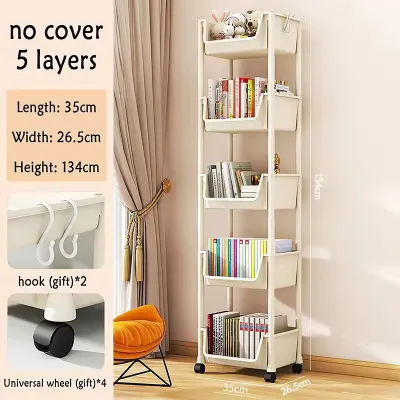
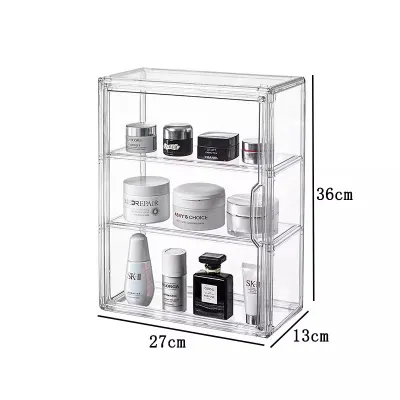
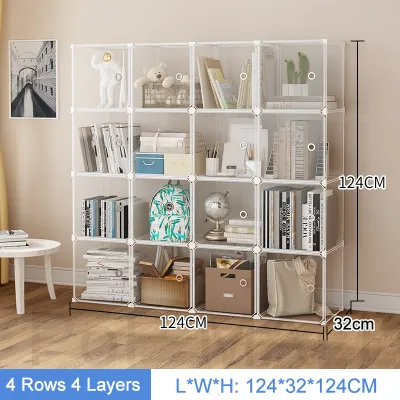
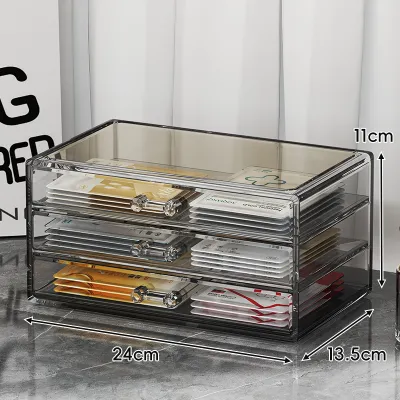
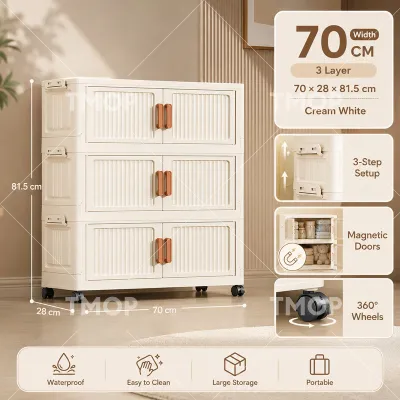
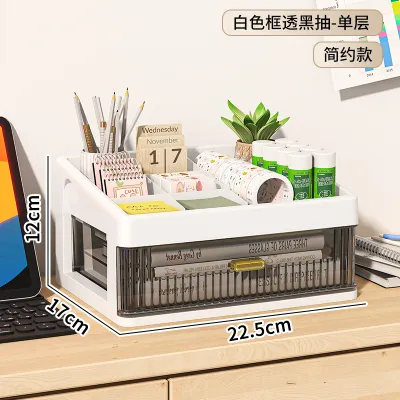
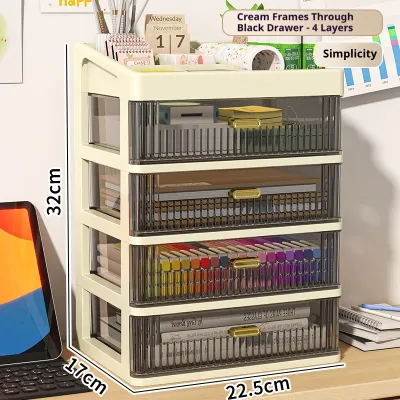
Prices are valid at publication and may change. Please refer to the product page for the latest price.
Begin by taking precise measurements of your cabinet’s interior. Use a reliable metal tape measure to record the height, width, and depth of each shelf. Do not rely on the manufacturer’s external cabinet dimensions, as interior walls, backing panels, and shelf support pegs can significantly reduce the actual usable space. Pay close attention to potential obstructions such as door hinges, magnetic catches, sliding door tracks, and the frame of the cabinet doors. An organizer might fit perfectly on the shelf itself but fail to slide past a protruding hinge or a narrow door opening. Additionally, measure the thickness of your shelves; thin wooden or glass shelves may sag under concentrated weight, which will affect how level your organizers sit.
Next, take inventory of the dishware you intend to display and categorize them by size, weight, and fragility. Heavy ceramic dinner plates, delicate porcelain teacups, tall wine glasses, and wide serving platters all require different storage configurations. Weigh a typical stack of your everyday plates using a kitchen scale so you have an accurate estimate of the load your organizers must support.
Finalize your assessment by defining the primary goal for your buffet cabinet. Are you looking to maximize storage density to fit as many items as possible, or is your priority to create a highly curated, minimalist visual display? If density is your goal, you will need space-saving vertical racks and stackable bins. If display is your priority, you should look for low-profile risers and single-tier organizers that allow each piece of serveware to stand out without being crowded.
Comparing Transparent Materials for Display
Transparent organizers are primarily made from three materials: acrylic, PET plastic, and glass. Each material offers distinct aesthetic qualities, weight profiles, and maintenance requirements that you must weigh against your household’s needs.

Acrylic is highly favored for display cabinets because of its exceptional visual clarity, which often rivals that of high-quality glass. It is lightweight and rigid, making it excellent for creating clean, modern lines within your buffet. However, acrylic is susceptible to scratching if handled roughly. When selecting acrylic organizers, check the manufacturer’s care instructions to see if the material has been treated for scratch resistance. In humid environments, acrylic remains stable and will not warp, but it can attract static dust, requiring regular gentle cleaning to maintain its pristine appearance.
PET (polyethylene terephthalate) and other clear plastics are highly practical, lightweight, and shatter-resistant alternatives. These materials are ideal for busy households where the risk of accidental drops is higher. While PET organizers may not offer the absolute crystal-clear brilliance of acrylic, they are highly durable and resilient. Because plastic formulations vary widely, it is essential to verify the load-bearing limits printed on the product labels. Avoid placing exceptionally heavy stoneware on thin plastic risers, as they may bow or crack over time.
Glass organizers and risers provide a premium, classic aesthetic that complements traditional or formal buffet cabinets. Glass is highly scratch-resistant, easy to clean, and does not cloud over time. However, glass is significantly heavier than acrylic or plastic. Before introducing glass organizers into your cabinet, you must confirm the load capacity of your buffet’s shelves. Placing heavy glass organizers loaded with heavy ceramic dishes on an unanchored or thin shelf can compromise the structural stability of the entire cabinet. Always rely on specific product specifications and labels rather than material names alone to verify safety and durability.
Key Design Features for Accessibility and Protection
The structural design of a transparent organizer determines how easily you can access your dishes and how well those dishes are protected from damage. Look for specific design features that enhance both safety and convenience.
Vertical dividers and slots are highly effective for storing plates, platters, and shallow bowls. Instead of stacking plates horizontally—which forces you to lift the entire stack to reach the bottom plate—vertical organizers allow you to store plates on their edges. This design prevents the glaze from scratching and eliminates the risk of chipping when retrieving items. Ensure the slots are wide enough to accommodate the rim thickness of your specific dishes, especially if you use handmade pottery or thick-rimmed stoneware.
For deeper buffet cabinets, organizers with integrated handles or smooth pull-out mechanisms are invaluable. These features allow you to slide the organizer forward to reach items stored at the back of the cabinet without knocking over pieces in the front. When evaluating pull-out designs, check for adequate clearance within the cabinet depth to ensure the doors can close completely when the organizer is pushed back.
Dust protection is another critical consideration, particularly for open-concept buffet cabinets or homes located in dusty areas. While open trays and risers are excellent for quick access, enclosed transparent bins with fitted lids offer superior protection for seasonal serveware or delicate glassware that is only used occasionally. Enclosed bins keep your dishes clean and ready for use, reducing the need for frequent washing before dinner parties.
Lastly, look for organizers equipped with non-slip bases. Integrated rubber feet, silicone pads, or textured bottom surfaces prevent the organizer from sliding around on smooth wooden or glass shelves. This stability is crucial when you are pulling a heavy stack of plates forward or during minor vibrations in the home.
Measuring and Planning Your Cabinet Layout
A successful buffet display relies on a systematic layout plan that balances visual appeal with daily functionality. Before purchasing any organizers, sketch a rough layout of your cabinet shelves to visualize how different elements will work together.
When planning your layout, always consider vertical space. A common mistake is filling the entire height of a shelf with stacked items, leaving no room for your hands to safely lift a plate or glass out of the organizer. As a general rule, leave at least 5 to 10 centimeters of clear headspace above the tallest item on a shelf to allow for comfortable hand clearance.
Group your dishware by frequency of use to streamline your daily routines. Place your everyday dinnerware, water glasses, and frequently used serving bowls on shelves that sit at eye level or waist height, where they are easiest to reach. Reserve the highest shelves for lightweight, decorative items like crystal glassware or seasonal platters, and use the lowest shelves for heavy, bulky items like casserole dishes or large soup tureen bowls.
Weight distribution is paramount for maintaining the structural integrity of your buffet cabinet. Distribute heavy items evenly across the length of each shelf rather than concentrating them all in the center, which can cause wooden shelves to bow or glass shelves to crack. Place the heaviest organizers near the outer edges of the shelves, close to the vertical support walls of the cabinet, where the load capacity is highest. This careful distribution is especially important in tropical regions, where high humidity can gradually weaken wooden shelf supports over time.
Building Your Shortlist: What to Verify Before Buying
Once you have measured your cabinet, assessed your dishware, and planned your layout, you are ready to build a shortlist of transparent organizers. Before finalizing your purchase from an online marketplace or a local retail store, run through this verification checklist to ensure a successful setup.
First, cross-reference the exact dimensions of the organizers with your cabinet measurements. Double-check that the width and depth of the organizer will easily clear the door frame and any interior hinges when you slide it into place. It is often helpful to cut out a piece of cardboard to the exact footprint of the organizer and test its fit inside your cabinet.
Second, verify the manufacturer’s stated weight capacity on the product page or packaging. Compare this figure against the actual weight of the dishes you plan to place on or inside the organizer. If a product listing does not specify a weight limit, contact the seller or choose an alternative product that provides clear load specifications.
Third, review the seller’s return policies and the shipping dimensions of the product. Transparent acrylic and glass organizers can be fragile during transit. Ensure the retailer offers a reliable return policy in case the items arrive damaged or do not fit your cabinet as expected.
Finally, read user reviews carefully, looking for specific feedback regarding the material’s long-term clarity and structural stability under load. Look for comments mentioning whether the plastic yellows over time, scratches easily, or bows when holding heavy plates. This real-world feedback is invaluable for identifying high-quality organizers that will keep your buffet cabinet looking elegant and organized for years to come.
Frequently Asked Questions (FAQ)
How do I clean transparent acrylic organizers without scratching them?
To clean transparent acrylic organizers safely, always check the manufacturer’s care label first for specific instructions. For routine cleaning, use a soft, clean microfiber cloth dampened with lukewarm water and a few drops of mild dishwashing soap. Gently wipe the surface without applying heavy pressure, as trapped dust particles can cause fine scratches. Avoid using abrasive sponges, paper towels, or harsh chemical cleaners containing ammonia, alcohol, or solvents, as these substances can permanently cloud or micro-scratch the acrylic surface.
Can I stack transparent organizers inside a buffet cabinet?
Stacking transparent organizers depends entirely on the manufacturer’s design and stated load limits. You should only stack organizers if the product description explicitly states they are stackable and features interlocking lids, recessed tops, or reinforced rims designed to prevent sliding. Attempting to stack standard, flat-topped organizers that are not designed for this purpose creates a high risk of toppling, which can damage your fragile dishware and scratch your cabinet shelves. Always place heavier items in the bottom organizer to maintain a low center of gravity.
What is the best way to prevent dust buildup on displayed dishes?
The most effective way to prevent dust buildup on displayed dishes is to use transparent organizers with fitted lids or to store your items inside a buffet cabinet equipped with tight-fitting glass doors. For open-concept buffet cabinets or open shelving, regular maintenance is essential. Use a soft microfiber duster or a static duster to gently clean both the dishes and the organizers once a week. If you are storing seasonal serveware that is rarely used, keeping them in enclosed transparent bins will protect them from dust and humidity, ensuring they remain clean and ready for your next gathering.

Community discussion
Share your experience or ask a question. Comments are reviewed before publication.