
Finding the right wall-mounted bookshelf for your home office in the Philippines requires balancing aesthetics, storage capacity, and structural safety. Because these shelves rely entirely on wall anchors and the integrity of your wall, choosing the wrong unit or ignoring your wall’s material can lead to sagging, damaged books, or even structural failure. To create a secure and organized workspace, you must evaluate your wall type, calculate your storage load, and select a design that matches both your workflow and your room’s environmental conditions.
Assessing Your Space and Wall Conditions
Before browsing online catalogs, use a steel tape measure to map out the exact wall area available in your home office. Consider window placements to avoid exposing your books to direct sunlight, which can fade covers and degrade paper over time. Check the location of power outlets to ensure the shelves do not block access to chargers, routers, or desk lamps. You must also account for the swing radius of your office door and the movement of your ergonomic chair to prevent accidental collisions with the lower shelves.
Identifying your wall material is the most critical step in this process. In the Philippines, residential walls are typically constructed from concrete hollow blocks (CHB) or solid poured concrete. However, modern condominium units and renovated home offices often utilize drywall or gypsum board partitions to divide interior spaces. Drilling into concrete requires a rotary hammer drill and masonry bits, along with plastic wall plugs (often locally referred to as tox screws) or metal expansion bolts. Drywall, on the other hand, requires specialized toggle bolts or hollow-wall anchors, as standard screws will easily pull out under the weight of books.
Products mentioned in this guide
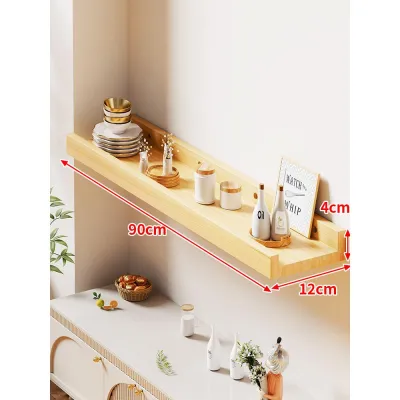
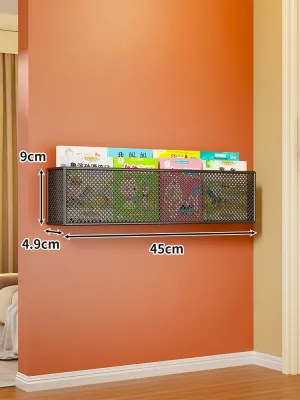
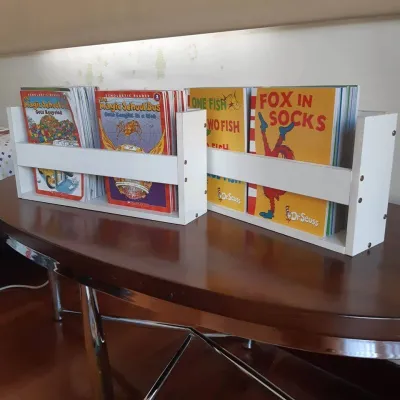
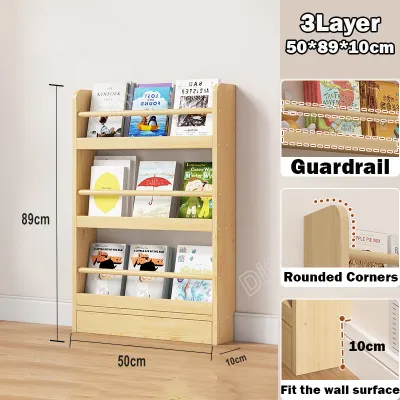

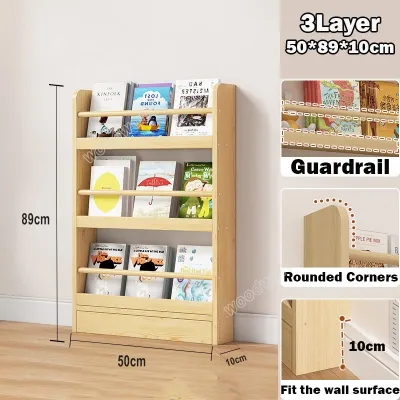
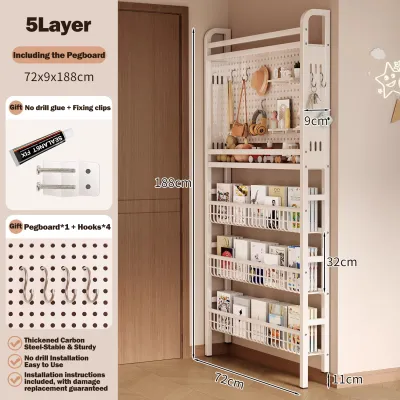
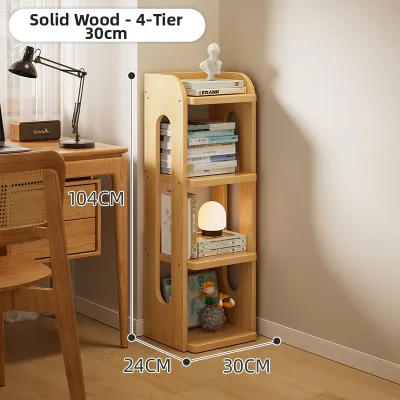
Prices are valid at publication and may change. Please refer to the product page for the latest price.
Estimate the total weight of your storage items. Books are deceptively heavy; a single shelf filled with thick academic textbooks, legal binders, or technical manuals can easily weigh dozens of kilograms. In contrast, decorative items, small stationery organizers, and lightweight notebooks exert much less force. Distinguishing between these load types helps you determine whether you need heavy-duty structural support or simple decorative shelving.
Consider the depth of the shelves. Standard novels and paperbacks fit comfortably on shelves with a depth of 20 to 25 centimeters. If you need to store large binders, reference manuals, or office equipment like printers and scanners, you will need a depth of 30 centimeters or more. Ensure that deeper shelves do not protrude too far into your walking path, especially in compact rooms where space is at a premium.
Comparing Wall-Mounted Shelf Designs for Workspaces
Wall-mounted shelves come in various configurations, each distributing weight differently across your wall. Vertical wall tracks and modular brackets spread the load over multiple points, making them highly stable for heavy storage. Single-point floating brackets concentrate the weight on a smaller area, requiring a highly secure connection to the wall.

You must also weigh the trade-offs between open and closed shelving. Open shelves offer immediate access to your reference materials and create an airy, spacious feel in a small office. However, in tropical climates, open shelves accumulate dust quickly and expose books to ambient humidity. Closed cabinets or shelves with protective lips help keep items secure, reduce dust buildup, and prevent books from sliding off during minor vibrations.
Floating Shelves for Minimalist Displays
Floating shelves feature internal, hidden brackets that slide into the rear of the shelf board, creating a clean, seamless look with no visible support. This minimalist design is ideal for modern, uncluttered home offices where visual space is limited. They work best for displaying a few curated books, small indoor plants, or framed certificates.
Because the support brackets are concealed, floating shelves have a lower weight capacity compared to bracketed systems. They require a perfectly flat wall surface and robust anchoring. If mounted on drywall, the internal brackets must be screwed directly into the wooden or metal studs behind the wall; anchoring them solely to the drywall sheet will inevitably lead to sagging and damage.
Modular Wall Systems for Heavy Book Collections
For professionals with extensive libraries, such as lawyers, engineers, or researchers, modular wall systems are the most reliable choice. These systems typically consist of vertical metal standards that screw directly into the wall, allowing you to adjust the height of individual wooden or metal shelves.
The primary advantage of modular systems is their ability to distribute heavy loads across multiple vertical tracks. Look for systems that feature reinforced back panels or multiple anchoring points per track. While these units require more extensive drilling and precise leveling during the installation process, they offer the flexibility to expand your storage as your collection grows.
Integrated Shelf and Desk Units for Compact Rooms
If your home office shares space with a guest bedroom or a living area, an integrated shelf and desk unit can maximize utility. These systems combine overhead shelving with a fixed or fold-down desktop surface, creating a complete workstation within a single wall footprint.
When choosing an integrated unit, you must pay close attention to the structural rating of the desk hinges and the primary wall anchors. Unlike static bookshelves, a desk experiences dynamic loads when you lean your forearms on the surface, type heavily, or rest a laptop and external monitor on it. Ensure the wall anchors are rated for both the static weight of the shelves and the dynamic force of daily work. Additionally, verify that you have enough clearance for your office chair to slide underneath and for your legs to move comfortably.
Pre-Purchase Safety and Installation Checks
Before purchasing any wall-mounted furniture, always check the manufacturer’s product manual or specification sheet for the maximum load capacity. Never rely on visual estimates of material thickness or bracket size. A shelf made of solid wood or thick steel may look sturdy, but its actual capacity is ultimately limited by the quality of its mounting hardware and the strength of your wall.
Verify what installation hardware is included in the package. Many imported shelving units come with standard plastic anchors designed for drywall or solid brick, which may not perform well in local concrete hollow block walls. You may need to visit a local hardware store to purchase heavy-duty sleeve anchors or specialized masonry screws to ensure a secure installation.
If you live in a rented apartment or a condominium, review your lease agreement or building guidelines regarding structural modifications. Many property management offices prohibit drilling deep holes into load-bearing concrete walls or columns due to structural and waterproofing concerns. You may need to obtain written permission or limit yourself to lightweight, easily patchable mounting systems.
Always inspect your chosen wall for signs of moisture damage, bubbling paint, or fine cracks before drilling. In humid tropical environments, exterior-facing walls can sometimes harbor hidden moisture or slow leaks, which weaken concrete and cause wooden shelves to warp or mold. If you suspect water damage, or if you are unsure whether drilling might strike concealed electrical conduits or plumbing pipes, stop immediately and consult a qualified local contractor.
Navigating Online Retailers and Verifying Product Details
When shopping on local ecommerce platforms or online marketplaces, double-check all product dimensions against your physical measurements. Pay close attention to the spacing of the mounting holes on the brackets. If you are mounting on drywall studs, the bracket holes must align with standard stud spacing, which is typically 40 or 60 centimeters apart.
Read customer reviews carefully, filtering for feedback that mentions the installation process and hardware quality. Look for photos uploaded by other buyers to see how the shelves look in real-world settings and whether they show signs of bowing under load. If multiple reviews complain about soft screws that strip easily or misaligned brackets, plan to purchase replacement hardware from a trusted local brand.
Verify the seller’s return and refund policies before placing your order. Wall-mounted shelves made of engineered wood (like MDF or particle board) can occasionally warp or suffer corner damage during transit. Ensure that you can easily request a replacement or refund if the product arrives with structural defects or missing mounting components.
Finally, consider the logistics of delivery. Large modular shelving units or integrated desk systems can be heavy and bulky. If you live in a high-rise condominium, check if your building has a service elevator or if the delivery personnel are permitted to carry heavy packages up the stairs to your unit. Preparing for these logistical details beforehand will prevent delivery delays and ensure a smooth setup process.
Frequently Asked Questions (FAQ)
Can I install wall-mounted shelves on drywall or hollow blocks?
Yes, but you must use the correct anchoring hardware. Standard wood or drywall screws will quickly pull out of hollow blocks or gypsum board under the weight of books. For drywall, you should use heavy-duty toggle bolts or molly bolts, which expand behind the wall board to distribute the weight. For concrete hollow blocks, use sleeve anchors or concrete screws that grip the solid portions of the block. If you plan to store a heavy library, it is highly recommended to anchor the shelves directly into solid concrete walls or the wooden or metal studs behind drywall.
How do I determine the maximum weight capacity for my wall?
The maximum weight capacity depends on three factors: the shelf’s material strength, the pull-out rating of your wall anchors, and the structural integrity of the wall itself. Even if a manufacturer rates a shelf for 30 kilograms, it will fail if the wall anchors can only support 10 kilograms. To determine your safe limit, check the load ratings printed on your wall anchor packaging and multiply that by the number of anchors used, then apply a safety margin by keeping your actual load well below that total. If you are planning to install a large, heavy modular system and are unsure of your wall’s internal structure, consult a professional carpenter or structural engineer to assess the wall before installation.

Community discussion
Share your experience or ask a question. Comments are reviewed before publication.