
Choosing the right wooden wall shelves for your study room requires balancing structural integrity with visual harmony. To achieve this, you must evaluate what you plan to store, check your wall composition, and select a wood finish that complements your workspace. In tropical environments like the Philippines, where humidity levels fluctuate, selecting shelves with a protective sealant is essential to prevent warping and mold. By matching the mounting system to your storage load, you can create a setup that is both highly functional and visually appealing.
Wall shelves do more than just hold items; they draw the eye upward, making a small home office feel larger and more organized. However, a shelf that is too heavy can overwhelm a room, while one that is too flimsy risks sagging under the weight of your books. Finding the sweet spot between decor and utility involves a systematic approach to planning, selection, and installation.
Assessing Your Study Room Space and Storage Needs
Before browsing online marketplaces or visiting local furniture showrooms, you must measure your available wall space with a tape measure. Take note of any nearby windows, doors, light switches, and existing furniture to ensure proper clearance. You want to make sure that when you rise from your desk chair or open a cabinet door, you will not accidentally bump into the edges of the shelves.
Products mentioned in this guide
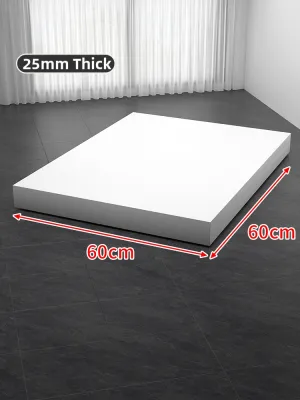
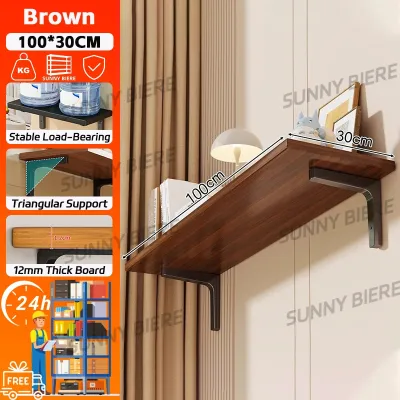

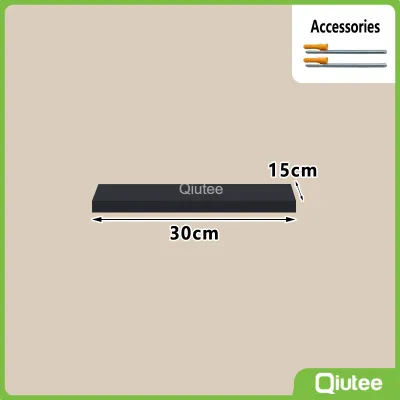
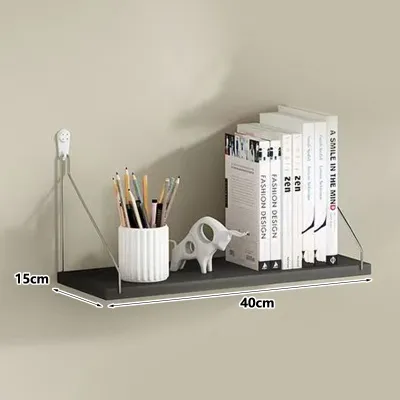

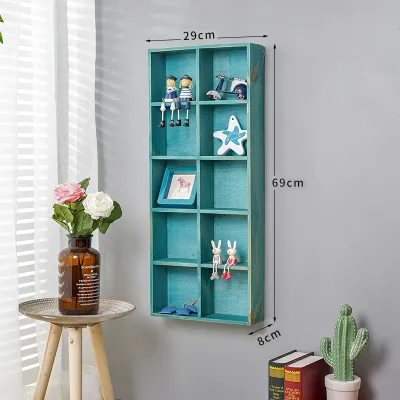
Prices are valid at publication and may change. Please refer to the product page for the latest price.
Next, categorize the items you intend to place on the shelves. Heavy textbooks, reference manuals, and thick binders require a completely different support system than lightweight paperbacks, small potted succulents, or framed photographs. Estimating the total weight of these items helps you determine the load capacity required from both the shelf material and the mounting hardware.
Evaluating the depth of your shelves is equally critical to prevent awkward overhangs. Standard novels and paperbacks typically require a depth of 15 to 20 centimeters, while larger reference books, binders, and decorative storage baskets may need 25 to 30 centimeters. Measuring your largest items beforehand ensures you select a shelf depth that keeps everything secure without wasting valuable physical space in the room.
In tropical climates, high humidity can cause paper pages to absorb moisture over time, which gradually increases the weight of your book collection. It is wise to factor in this potential weight increase when planning your storage capacity. Choosing a shelf with a slightly higher weight rating than your current estimate provides a safe buffer against changing environmental conditions.
Key Features to Balance Decor and Practicality
When selecting wooden shelves, the thickness of the wood plays a major role in both structural strength and visual weight. Thicker shelves, ranging from 3 to 5 centimeters, offer a robust, premium look that anchors the room visually and resists bending under heavy loads. Thinner shelves, around 1.5 to 2 centimeters, present a sleek, minimalist profile that works beautifully for displaying light decorative objects but may require extra support brackets if used for books.

The finish of the wood determines how well the shelf resists daily wear, dust, and moisture in a study environment. Natural wood grains bring warmth and texture to a room, but they must be properly sealed with a clear polyurethane or lacquer coat to prevent moisture absorption. Painted or stained finishes offer excellent design flexibility, but you should check the manufacturer’s specifications to ensure the coating is smooth, easy to wipe down, and resistant to scratching from sliding bookends.
You must also decide between floating shelves and bracket-supported shelves. Floating shelves utilize internal metal rods anchored into the wall, hiding all mounting hardware to create a clean, modern aesthetic. While visually stunning, floating shelves generally have lower weight capacities and are best suited for a mix of light books and decorative items. Bracket-supported shelves use visible metal or wooden brackets underneath, which distribute weight more effectively and are highly recommended for heavy-duty book storage.
Regardless of the style you choose, inspect the joints and construction of the shelf. High-quality wooden shelves often feature reinforced joints, dowels, or sturdy internal frames rather than simple glue-and-nail assembly. Checking these structural details before purchasing helps ensure the shelf will remain stable and level over years of continuous use.
Matching Shelf Styles to Your Study Room Aesthetic
To create a cohesive and inspiring workspace, the style of your wooden wall shelves should align with the overall interior design of your study room. If your home office features a modern or minimalist aesthetic, look for floating shelves with clean, straight lines and hidden hardware. Light-colored woods, such as pine, maple, or light oak finishes, help reflect natural light, making a small study room feel bright, open, and uncluttered.
For a creative, warm, or slightly rustic workspace, consider shelves that combine textured wood with metal accents. Reclaimed wood finishes paired with matte black iron brackets add character and a grounded, industrial feel to the room. This style is highly forgiving of minor scratches and dust, making it a practical choice for busy, high-use study areas where projects are constantly in motion.
If your study room serves as a formal executive office or a traditional library, classic wood profiles are the ideal choice. Look for shelves with routed edges, decorative molding, or elegant wooden corbels. Rich, dark wood stains like mahogany, walnut, or deep cherry complement classic wooden desks and leather chairs, establishing a sophisticated and studious atmosphere.
Do not be afraid to mix and match different shelf lengths to create a dynamic wall arrangement. Instead of lining up identical shelves in a perfect vertical column, try staggering them across the wall. This layout breaks up the visual monotony of a standard bookcase, allowing you to dedicate some areas to dense book storage and others to open, decorative displays.
Installation and Safety Checks for Wall Shelves
No matter how beautiful or sturdy a wooden shelf is, its safety and load capacity ultimately depend on how securely it is mounted to the wall. You must identify your wall material before purchasing installation hardware. In many homes in the Philippines, interior walls are constructed from solid concrete or hollow concrete blocks, which require masonry drill bits, plastic wall plugs, or expansion anchors to hold heavy loads securely.
If your study room has drywall or gypsum board walls, you must locate the wooden or metal studs behind the wall using a stud finder. Mounting your shelf brackets directly into these studs is the only way to ensure the shelf can support significant weight. If you must mount a shelf on drywall where no stud is present, you must use heavy-duty toggle bolts or hollow-wall anchors, keeping in mind that the overall weight capacity will be lower than if mounted to a stud.
Always consult the manufacturer’s installation instructions for the maximum weight limits and the recommended spacing for brackets. Never exceed these limits, as doing so can cause the shelf to pull away from the wall, damaging your home and risking injury. If you are planning a long shelf run, ensure there are enough intermediate brackets to support the center of the span.
During installation, use a spirit level to ensure the shelf is perfectly horizontal before drilling any holes. A shelf that is even slightly tilted will cause books and decorative items to slide, creating uneven weight distribution and putting unnecessary stress on one side of the mounting hardware. When loading the shelf, place the heaviest items closest to the wall brackets to minimize leverage and reduce the pulling force exerted on the wall anchors.
Building Your Wooden Wall Shelf Shortlist
To simplify your decision-making process, you can categorize your options into three distinct usage scenarios based on your primary study room goals. This helps you focus on the specific structural and aesthetic features that will serve your daily needs best.
If your primary goal is heavy-duty book storage, prioritize the following criteria:
- Material: Solid wood or high-density engineered wood with a thickness of at least 2.5 centimeters.
- Support: Heavy-duty metal brackets anchored directly into concrete walls or wall studs.
- Dimensions: A shallow depth of 20 to 22 centimeters to keep the center of gravity close to the wall, reducing leverage and stress on the fasteners.
If your primary goal is display-focused decor, look for these features:
- Style: Floating designs with hidden mounting brackets for a clean, seamless look.
- Arrangement: Sets of multiple shelves in varying lengths to allow for staggered, creative wall layouts.
- Special Features: Shelves with integrated LED lighting channels or a small front lip (picture ledges) to display framed art, certificates, or thin magazines without them sliding off.
If you are working with a small study room and need space-saving solutions, focus on these options:
- Corner Shelves: Specifically designed to utilize underused corner spaces, turning empty junctions into functional storage zones.
- Narrow Ledges: Ultra-slim wooden ledges that can be mounted behind your desk chair or in tight walkways without blocking your movement.
- Modular Systems: Adjustable wall tracks that allow you to change the height and number of shelves as your storage needs evolve over time.
Frequently Asked Questions (FAQ)
How do I prevent wooden shelves from sagging under the weight of books?
To prevent sagging, you must balance the shelf span, thickness, and material density. Long shelves made of thin or low-density engineered wood are highly prone to bending under heavy loads. Always check the manufacturer’s recommended span limits and install intermediate support brackets every 60 to 80 centimeters for heavy books. Placing heavier items near the supported ends of the shelf rather than in the middle also helps distribute the load safely.
What is the best way to clean and maintain wooden shelves in a dusty study room?
Regular maintenance keeps your wooden shelves looking pristine and prevents dust buildup from scratching the finish. Dust the shelves weekly using a dry, clean microfiber cloth to capture loose particles without scratching the surface. For deeper cleaning, check the manufacturer’s care label for approved wood cleaners, or use a slightly damp cloth followed immediately by a dry towel to prevent moisture from lingering on the wood. Avoid using harsh chemical solvents or abrasive scrubbing pads, which can strip away the protective sealant.

Community discussion
Share your experience or ask a question. Comments are reviewed before publication.