
Protecting outdoor metal furniture from the elements requires a proactive approach, especially when facing the intense humidity and heavy downpours of the tropical rainy season. To clean and protect a metal stackable table from rust, you must thoroughly wash away accumulated dirt, dry every joint and crevice completely, and apply a protective sealant or wax barrier. Taking these steps before the wet weather sets in prevents moisture from making direct contact with the metal, preserving both the structural integrity and the appearance of your furniture.
Stackable tables are highly practical for space-saving storage on patios, balconies, and outdoor dining areas. However, their design makes them uniquely vulnerable to moisture damage. The contact points where the tables meet when stacked can easily scratch protective paint or powder coatings, while hollow legs and tight joints tend to trap water. Understanding how to care for these specific areas will ensure your furniture survives the wet months without developing corrosion or structural weakness.
Assessing Your Table's Condition Before Cleaning
Before applying any cleaning agents or protective treatments, a thorough inspection of your stackable table is essential. Begin by examining the entire frame, paying close attention to the tabletop, legs, and the underside of the structure. Look for early warning signs of degradation, such as bubbling paint, flaking powder coating, or small orange-brown spots of surface rust. Identifying these issues early allows you to address them before they spread and cause deep structural damage.
Products mentioned in this guide
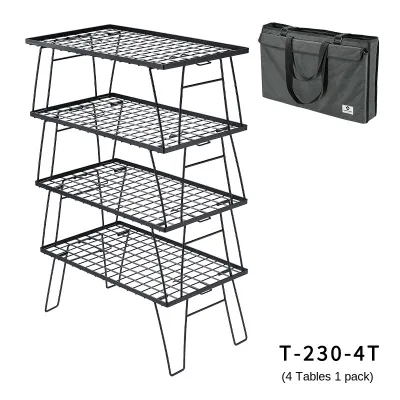
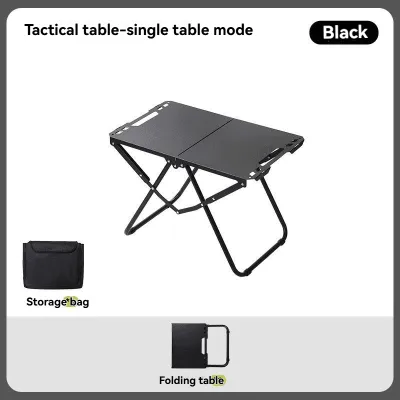
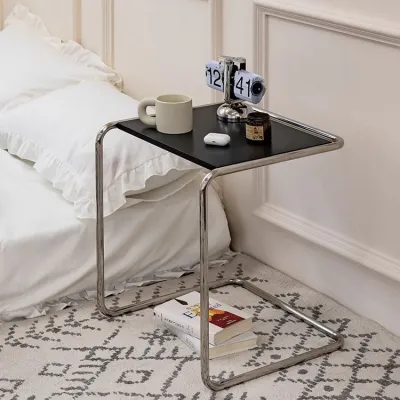
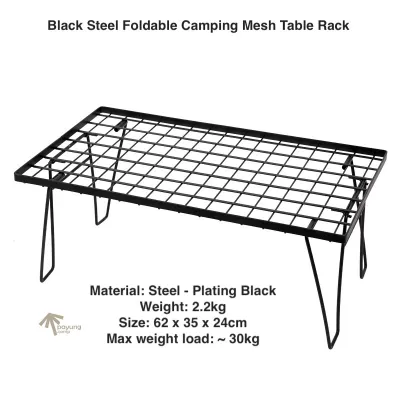
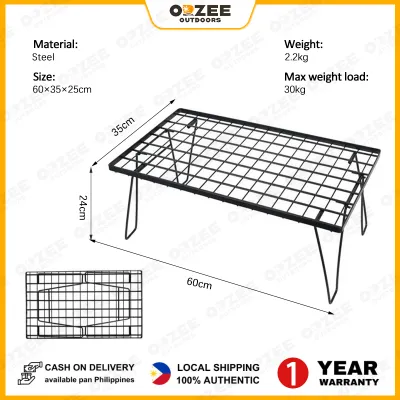
Prices are valid at publication and may change. Please refer to the product page for the latest price.
Next, consult the manufacturer’s care instructions or product manual if available. Different metals require distinct care strategies; for instance, wrought iron and steel are highly susceptible to rust and require robust barriers, while aluminum does not rust but can develop a dull white oxidation layer if left unprotected. The manual will often list approved cleaning solutions and warn against specific chemicals that could strip away factory-applied protective coatings.
Finally, pay close attention to the stacking joints, welded seams, and the feet of the table. The plastic or rubber glides on the bottom of the legs should be checked to ensure they are intact and not trapping water against the metal. If these glides are cracked or missing, water can easily seep into the hollow tubes of the legs, causing them to rust from the inside out. Mark any areas that show signs of wear so you can give them extra attention during the cleaning and treatment phases.
Tools and Materials You Will Need
Preparing the right tools beforehand ensures a smooth process and prevents accidental damage to your table’s finish. For the basic cleaning phase, you will need a mild, pH-neutral liquid dish soap and a bucket of warm water. Avoid harsh household detergents, bleach, or ammonia-based cleaners, as these can chemically degrade the protective topcoats on metal furniture.

For scrubbing, select a soft-bristle nylon brush or a non-abrasive sponge. Hard wire brushes or steel wool should never be used on intact painted or powder-coated surfaces, as they will create micro-scratches that allow moisture to reach the underlying metal. However, if you have already identified active rust spots during your assessment, you should have fine-grit sandpaper on hand to gently sand down those specific areas.
To dry the table and apply protective coatings, gather several clean, dry microfiber cloths and towels. For the protective barrier, you will need a high-quality automotive paste wax, a specialized outdoor metal sealant, or a rust-inhibiting clear spray. If you need to touch up bare metal where paint has flaked off, ensure you have a matching rust-preventative primer and outdoor metal paint that is compatible with your table’s original finish.
Step-by-Step Cleaning and Drying Process
A successful rust-proofing treatment relies entirely on a clean, dry foundation. Begin the cleaning process by moving your stackable table to a shaded, well-ventilated outdoor area. If the table has removable plastic feet or caps, gently pry them off. This step is crucial because water and dirt frequently accumulate inside these caps, creating a hidden, high-humidity environment that fosters rapid corrosion.
Mix a small amount of mild dish soap into a bucket of warm water until it suds. Dip your soft-bristle brush or sponge into the soapy water and begin washing the table from top to bottom. Scrub the tabletop thoroughly, but pay extra attention to the underside, the welded joints, and the areas where the legs connect to the frame. These recessed areas are where dust, pollen, and salt residues tend to settle, holding moisture against the metal long after the rain has stopped.
Once the entire table has been scrubbed, rinse it thoroughly with clean water. You can use a garden hose with a gentle spray nozzle, but avoid high-pressure settings. It is vital to wash away all soap residue completely. Dried soap film can attract atmospheric dirt and trap moisture, which compromises the effectiveness of any protective wax or sealant you apply later.
After rinsing, immediate and thorough drying is required to prevent flash rusting. Use clean microfiber towels to wipe down every surface of the table. Pay special attention to the stacking channels, crevices, and screw holes. To ensure no water remains trapped inside hollow frames, turn the table upside down and tilt it at various angles to allow any internal condensation or runoff to drain completely.
Leave the table to air-dry in a shaded, breezy area for at least a few hours, or ideally overnight. Do not leave it in direct, intense sunlight while wet, as rapid, uneven drying can sometimes cause water spots or stress the metal joints. Only when you are absolutely certain that every crevice is completely dry should you proceed to the rust-proofing stage.
Applying Rust-Proofing Treatments
Applying a protective barrier is the most critical step in preparing your metal stackable table for the rainy season. If your initial assessment revealed localized rust spots, you must treat them before sealing the table. Gently sand the rusted areas with your fine-grit sandpaper until you see clean, shiny metal. Wipe away all sanding dust with a dry microfiber cloth, then apply a thin layer of rust-inhibiting primer to the bare metal and let it dry completely according to the product instructions.
Once any touch-ups are dry, you can apply the main protective coating. For powder-coated or painted metal tables in good condition, a high-quality automotive paste wax is an exceptionally effective and accessible option. Using a clean wax applicator pad, apply a thin, even layer of wax over the entire table. Work in small sections, ensuring you coat the high-friction stacking points, the undersides of the legs, and all welded joints where moisture is most likely to penetrate.
If you prefer an alternative to paste wax, a specialized outdoor metal sealant spray can be used. When using a spray, hold the can at the recommended distance and apply thin, overlapping coats to avoid runs or drips. Ensure you apply the product in a well-ventilated area free from dust and wind, which could blow debris onto the wet sealant.
Allow the wax or sealant to dry to a light haze, which typically takes a few minutes depending on the ambient humidity. Once hazed, use a clean, dry microfiber cloth to buff the surface using circular motions. This process creates a smooth, hydrophobic barrier that forces rainwater to bead up and roll off the table rather than pooling on the surface. Allow the treated table to cure fully in a dry, protected environment for at least 24 hours before stacking it or exposing it to rain.
Ongoing Maintenance and Storage During Wet Months
Even with a high-quality protective coating, ongoing maintenance throughout the rainy season is necessary to keep rust at bay. After a heavy downpour, make it a habit to wipe down the table’s flat surfaces. Standing water that is allowed to pool on the tabletop will eventually find microscopic imperfections in the sealant and begin to corrode the metal underneath. A quick wipe with a dry cloth or a squeegee is all it takes to prevent this.
If you need to store your stackable tables outdoors when they are not in use, invest in high-quality, breathable, waterproof furniture covers. Avoid using cheap, non-breathable plastic tarps. Plastic tarps trap the natural humidity rising from the ground, creating a warm, damp greenhouse effect underneath that accelerates rust and mold growth. Breathable covers allow moisture to escape while preventing rain from directly hitting the metal.
Periodically unstack your tables to inspect the contact points and joints. The friction of stacking and unstacking can wear down the protective wax or sealant over time. If you notice the water is no longer beading on certain areas, or if you spot early signs of wear, clean those specific spots and reapply a fresh layer of wax or sealant immediately.
Finally, ensure the feet of your tables are not sitting in puddles of standing water on your patio or deck. If your outdoor area drains poorly, elevate the tables slightly or move them to a well-drained spot. Keeping the feet dry prevents water from wicking up into the legs and ensures the structural integrity of your furniture remains intact throughout the wettest months of the year.
Frequently Asked Questions (FAQ)
Can I use a pressure washer to clean my metal stackable table?
Using a pressure washer is not recommended for cleaning metal stackable tables. The intense force of high-pressure water can easily chip, crack, or completely strip away the protective paint or powder coating, leaving the raw metal vulnerable to rapid rusting. Additionally, high pressure can force water deep into the hollow frames, joints, and stacking mechanisms where it cannot easily evaporate, leading to internal corrosion that is difficult to detect until structural failure occurs. Stick to gentle hand washing with a soft brush and a garden hose with a standard spray nozzle.
How do I know if my table's powder coating is failing?
You can identify powder coating failure through several clear visual signs. Look for chalking, which appears as a dull, powdery residue on the surface of the metal, indicating that ultraviolet light and moisture have degraded the outer layer. Other signs include bubbling, peeling, or cracking of the coating, which often happens when moisture has already penetrated the barrier and begun to rust the metal underneath. If you see orange rust stains bleeding through the finish, the coating has failed, and you should address the area immediately with sanding, priming, and painting to prevent further damage.
Is it safe to stack wet metal tables?
It is highly unsafe to stack metal tables while they are wet. Stacking wet tables traps moisture between the flat surfaces and contact points, preventing air circulation and stopping the water from evaporating. This trapped moisture, combined with the friction and pressure of the stacked tables, creates the perfect environment for rapid rust development. Furthermore, any dirt or grit trapped in the water can act as an abrasive, scratching the protective finish as the tables settle. Always ensure every table is completely dry before stacking them for storage.

Community discussion
Share your experience or ask a question. Comments are reviewed before publication.