
To combine a steel shoe cabinet with hangers and storage bags, you must establish a clear spatial hierarchy that balances weight, accessibility, and environmental protection. A steel shoe cabinet provides a sturdy, moisture-resistant foundation for footwear, while hangers utilize vertical space for daily wear, and storage bags protect seasonal or less-frequently used items. Integrating these three elements requires careful planning of closet zones, ensuring that heavy metal units sit securely on the floor, hanging garments have sufficient clearance, and storage bags occupy underutilized high shelves. By coordinating these storage tools, you can transform a cluttered wardrobe into a highly functional, organized system that protects your belongings from dust and humidity.
Assessing Your Closet Space and Layout Needs
Before purchasing or installing any organizing components, a thorough evaluation of your physical closet space is essential. Start by measuring the exact floor area, ceiling height, and door swing clearance. These dimensions dictate the maximum size of the shoe rack organizer cabinets steel units you can accommodate without obstructing entryways or cabinet doors. If your closet features sliding doors, verify that the cabinet drawers or doors can open fully within the exposed opening.
Next, examine the structural integrity of your closet walls and existing shelving. Hanging rods and heavy storage bags require secure anchoring to studs or reinforced wall sections to prevent sagging or collapse under the weight of garments. If you plan to mount shelves above the steel cabinet, ensure the wall material can support the combined load of the brackets, shelves, and stored items.
Products mentioned in this guide

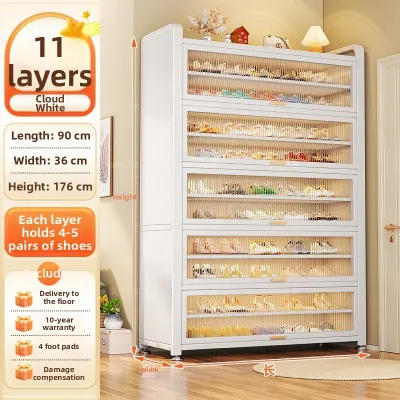
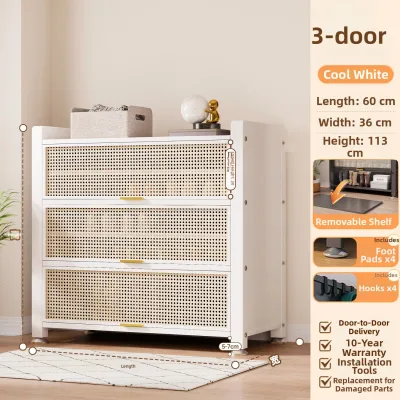
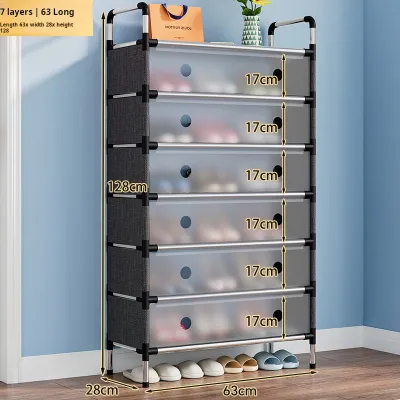
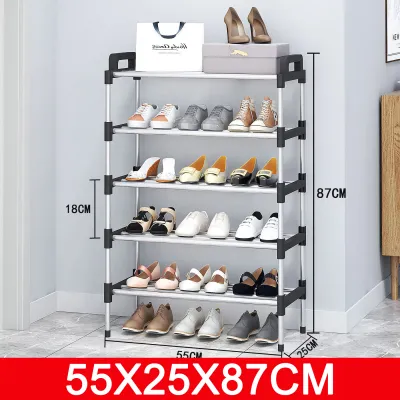
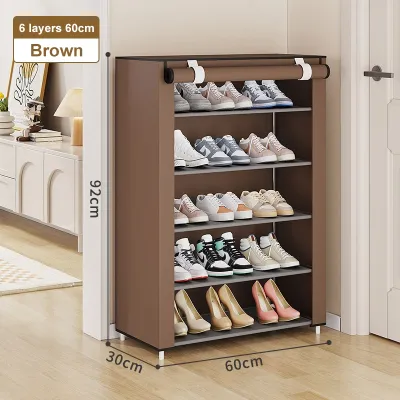
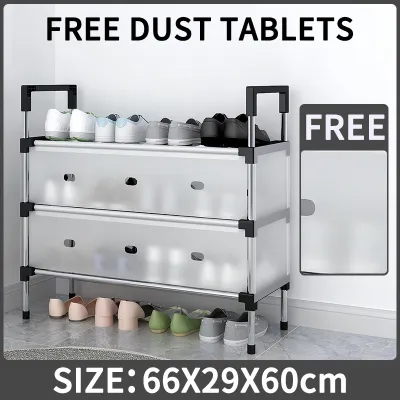
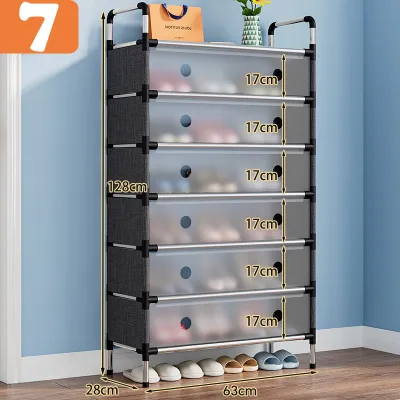
Prices are valid at publication and may change. Please refer to the product page for the latest price.
Environmental conditions also play a critical role in closet planning, particularly in tropical climates like the Philippines where high humidity is common. Excess moisture can lead to rust on metal surfaces and mold on fabrics. Inspect your closet for signs of dampness, poor ventilation, or condensation. Choosing a steel cabinet with a high-quality powder-coated finish helps resist moisture, but you may still need to plan for additional ventilation or moisture-absorbing products to protect your wardrobe.
Strategic Zoning: Integrating the Steel Shoe Cabinet
Integrating a shoe rack organizer cabinets steel unit requires strategic placement to anchor the closet layout. Position the cabinet in an area where its doors or drawers can open completely without creating high-traffic bottlenecks. If your closet is deep, placing the cabinet at the far end can keep the entryway clear. For shallower closets, a slim-profile steel cabinet can sit flat against the back wall, leaving enough floor space to move comfortably.

To maximize vertical space, consider placing the steel shoe cabinet directly beneath shorter hanging garments, such as shirts, jackets, or folded trousers. This configuration utilizes the often-wasted lower half of the closet while keeping your footwear easily accessible. Alternatively, if you have a dedicated floor corner, dedicating that zone entirely to the steel cabinet creates a clean, consolidated shoe station separate from your clothing.
Safety and stability are paramount when positioning heavy steel furniture. Always verify that the cabinet sits level on the floor, adjusting any leveling feet if your closet floor is slightly uneven. If the steel cabinet is tall, narrow, or heavily loaded with footwear, follow the manufacturer’s instructions to secure it to the wall using anti-tip anchoring hardware. This precaution prevents accidental tipping and ensures the unit remains stable during daily use.
Optimizing the Hanging Zone and Storage Bag Placement
An efficient closet system balances active hanging space with long-term storage. Begin by sorting your hanging garments by length, grouping long dresses, coats, and trousers together on one side, and shorter shirts and blouses on the other. This simple categorization creates a stepped layout, opening up valuable floor space beneath the shorter items where your steel shoe cabinet or low-profile storage bins can fit perfectly.
Storage bags are ideal for seasonal clothing, extra bedding, or items you rarely wear. To keep daily-use areas clear, place these bags on the highest shelves or in deep, underutilized corners of the closet. Before stacking heavy bags on upper shelves, check the manufacturer’s stated weight limits for your shelving system to prevent structural failure.
The material of your storage bags is just as important as their placement. For natural fibers like wool, silk, or cotton, select breathable fabric bags that allow air circulation while keeping dust and pests out. For synthetic materials or items that require quick visual identification, bags with clear plastic viewing panels are highly practical, allowing you to locate specific garments without unzipping multiple containers.
Step-by-Step Assembly and Arrangement Workflow
Achieving a cohesive closet setup requires a logical assembly sequence to avoid unnecessary rework and ensure structural safety. Begin by clearing the entire closet and assembling the steel shoe cabinet first. Position it in its designated spot, adjust the leveling feet, and secure any required wall anchors. Ensure the cabinet is completely stable and wipe down all surfaces to remove any manufacturing dust or packaging debris before placing shoes inside.
Once the cabinet is secure, focus on the hanging zone. Install or adjust your hanging rods to the desired heights, ensuring they are level and firmly anchored. Arrange your hangers systematically, grouping clothes by category, color, or frequency of use. Using uniform hangers not only improves the visual appeal of your closet but also prevents garments from tangling or overlapping unevenly.
Finally, pack and position your storage bags. Fold garments neatly to maximize space inside each bag, and avoid overstuffing, which can strain zippers and seams. Label each bag clearly with its contents, such as seasonal gear or bed linens. Place heavier bags on lower shelves or on top of the sturdy steel cabinet, keeping lighter bags on the highest shelves to maintain a safe center of gravity throughout the closet system.
Maintenance and Adjustments for Long-Term Order
Maintaining an organized closet requires regular upkeep to preserve both the storage systems and your clothing. Wipe down the steel shoe cabinet periodically with a dry or slightly damp microfiber cloth to remove dust and dirt tracked in from footwear. Check the cabinet’s joints, hinges, and drawer slides for any signs of wear, and tighten loose hardware immediately to maintain structural integrity. In humid environments, inspect the metal surfaces regularly for any signs of rust or finish degradation.
Rotate the contents of your storage bags during seasonal transitions or annual cleanouts. When swapping items, inspect the stored garments for any signs of moisture, musty odors, or pests. Ensure that any clothing returning to the active hanging zone is clean and completely dry, and wash or air out items before sealing them back into storage bags.
Lastly, perform periodic audits of your hanging clothes. Over time, it is easy to accumulate more garments than your closet rods can comfortably support. Remove items you no longer wear to prevent the rods from bowing and to maintain adequate spacing between hangers, which promotes airflow and helps prevent mold growth in humid climates.
Frequently Asked Questions (FAQ)
Can I place a steel shoe cabinet directly under hanging clothes?
Yes, you can place a steel shoe cabinet under hanging clothes, provided you maintain sufficient clearance. Ensure there is enough space between the bottom of your hanging garments and the top of the cabinet so clothes can swing freely without dragging or wrinkling. To prevent dust, dirt, or odors from shoes transferring to your clean clothes, choose a closed steel cabinet with solid doors or drawers rather than an open rack, and wipe down the top surface of the cabinet regularly.
How do I prevent moisture buildup inside storage bags in a humid closet?
To prevent moisture buildup in humid conditions, always ensure that clothes are completely clean and dry before packing them away, as even slight dampness can lead to mold. Use storage bags made of breathable fabrics rather than airtight plastic, which can trap humidity. Additionally, place safe moisture-absorbing packets, such as silica gel or activated charcoal sachets, inside the bags to absorb excess moisture and keep your garments smelling fresh.

Community discussion
Share your experience or ask a question. Comments are reviewed before publication.