
The ideal buffet cabinet drawer configuration depends on balancing deep drawers for heavy, stacked ceramic dishes and fragile glassware with shallow drawers for flatware and delicate table linens. To protect your dining essentials, you need a combination of deep, high-weight-capacity drawers equipped with stabilizing inserts and shallow, smooth-finished drawers that prevent fabric snags.
In tropical climates like the Philippines, where high humidity can affect both wooden furniture and stored fabrics, choosing the right drawer configuration is crucial. Whether you are looking at standard dining room storage or planning a custom setup with kabenet drawers, the key is matching the drawer depth, internal layout, and hardware to your specific storage scenarios. This guide helps you determine the right drawer types and organizational checks to protect your dishes, glassware, and table linens.
Matching Drawer Types to Your Dining Storage Scenarios
To build an efficient dining storage system, start by categorizing your items by weight, height, and frequency of use. Heavy ceramic plates, serving platters, and large bowls require deep drawers with robust support. In contrast, delicate items like embroidered table runners, placemats, and silver flatware are best suited for shallow drawers where they remain easily accessible and free from heavy stacking pressure.
Products mentioned in this guide

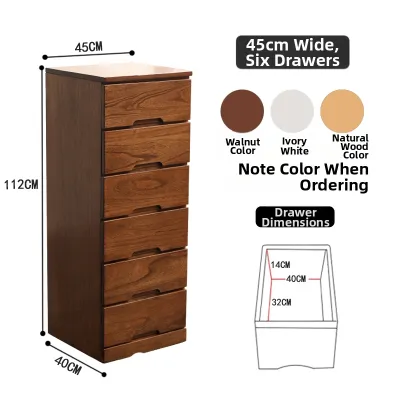

Prices are valid at publication and may change. Please refer to the product page for the latest price.
Evaluating the ratio of your glassware to heavy ceramics helps determine how many deep versus shallow drawers you actually need. If your collection consists mostly of tall wine glasses, highball glasses, and delicate tumblers, you will need deep drawers with generous vertical clearance. If your dining habits lean more toward formal dinners with extensive linen sets, prioritizing a higher number of shallow drawers will prevent your tablecloths from being buried and wrinkled.
Cross-scenario compatibility is another vital factor when selecting kabenet drawers or standard buffet configurations. Opting for drawers that accommodate adjustable dividers allows you to transition a drawer from glassware storage to linen storage as your household needs change over time. This flexibility ensures that your buffet cabinet remains functional whether you are hosting a large holiday feast or simply organizing everyday family dinnerware.
Configuring Drawers for Dishes and Glassware
Storing heavy ceramic stacks and fragile glassware in deep drawers requires careful attention to weight limits and physical protection. Before loading your heaviest stoneware plates into a drawer, check the manufacturer’s specifications for weight capacity and drawer slide ratings. Overloading a drawer can warp the base panel or cause the sliding tracks to fail, risking damage to both the furniture and your valuable heirloom dishes.

To prevent chipping and cracking, avoid stacking plates directly on bare wooden drawer bottoms. Instead, plan for vertical plate organizers, wooden peg systems, or padded dividers that keep individual pieces secure during movement. These systems absorb the kinetic energy of the drawer opening and closing, ensuring that plates do not slide into one another and cause hairline fractures.
Vertical clearance is equally critical when organizing glassware in deep drawers. Verify that the internal drawer height easily clears your tallest wine stems or stacked dessert bowls without forcing them against the drawer frame above. In humid environments, leaving a small amount of breathing room between glassware items also prevents moisture from getting trapped, which can lead to cloudy glass surfaces or unpleasant musty odors.
Organizing Shallow Drawers for Linens and Accessories
Shallow drawers are the ideal choice for storing table linens, napkins, and delicate dining accessories. By keeping these fabric items in shallow compartments, you prevent them from becoming crushed, creased, or deeply wrinkled under their own weight. This setup also makes it simple to select the exact tablecloth or runner you need without disrupting the entire stack.
For flatware, serving utensils, and small dining accessories, look for built-in or removable compartmentalized inserts. These organizers keep small items from rolling around every time the drawer is opened. Removable inserts are particularly convenient in the Philippines, as they can be easily taken out for thorough cleaning to remove dust or small insects that thrive in warm, tropical climates.
The interior finish of your linen drawers must be completely smooth and snag-free. Inspect the inner corners, joints, and bottom panels for any rough wood grain, exposed staples, or splinters that could snag delicate lace runners, silk placemats, or hand-woven cotton tablecloths. If the interior feels slightly rough, consider lining the drawer with a smooth, non-adhesive fabric liner or applying a fine-grit sandpaper treatment to protect your textiles.
Hardware, Materials, and Safety Checks
The longevity and safety of your buffet cabinet depend heavily on the quality of its hardware and structural materials. Inspect the drawer slide mechanisms and verify their rated load limits in the product manual or specification sheet. Soft-close, full-extension ball-bearing slides are highly recommended for dining storage, as they allow complete access to the back of the drawer while preventing slamming that could shatter fragile glassware.
Examine the base material thickness and joint construction of the drawers to ensure they can withstand heavy dish loads over time. Drawers constructed with dovetail joints and thick plywood or solid wood bottoms offer superior durability compared to thin fiberboard bases secured only with staples. A sagging drawer bottom not only hinders smooth operation but can also scrape against the cabinet frame, damaging the finish.
Finally, safety must be a primary consideration when configuring heavy dining storage. Confirm that the buffet cabinet includes or supports anti-tip anchoring hardware, especially if you plan to extend multiple heavy drawers at the same time. The shifting center of gravity from fully extended drawers loaded with heavy ceramic plates can cause an unanchored cabinet to tip forward, posing a serious hazard to your household.
Frequently Asked Questions (FAQ)
Can I add dividers to existing buffet cabinet drawers?
Yes, you can easily retrofit existing drawers with tension-mounted or adjustable wooden dividers that do not require drilling or permanent alteration. These dividers press firmly against the drawer sides using spring-loaded mechanisms or rubber-tipped ends, allowing you to customize the layout for different dish sizes. Avoid using adhesive-backed organizers on unfinished or delicate wood interiors, as the adhesive can degrade in humid tropical weather, leaving a sticky residue or stripping away the wood finish when removed.
How do I prevent glassware from sliding in deep drawers?
To keep fragile glassware stable, install high-quality non-slip drawer liners or custom-fit peg systems that hold each glass securely in place. When choosing liners, select breathable, non-adhesive materials that do not trap moisture underneath, as trapped humidity can damage the drawer’s wood finish or tarnish metal stems. Additionally, placing glasses upright on a textured, cushioned surface prevents them from tipping over and bumping into each other when the drawer is opened or closed.

Community discussion
Share your experience or ask a question. Comments are reviewed before publication.