
To configure the internal layout of a clothes storage cabinet effectively, you must balance hanging rods, shelves, and drawers to match your specific wardrobe composition. A successful configuration maximizes vertical space, preserves the condition of your garments, and adapts to your daily routine. By analyzing what you own and understanding the physical limits of your cabinet, you can create an organized system that prevents clutter and protects your clothing from wear and environmental factors like humidity.
Assess Your Wardrobe and Cabinet Dimensions
Before purchasing organizers or moving shelves, measure the exact interior dimensions of your clothes storage cabinet. Use a reliable measuring tape to record the interior height, width, and depth. Do not rely solely on external dimensions, as cabinet walls, back panels, and door mechanisms can significantly reduce the usable internal space. Pay close attention to potential obstructions, such as door hinges, sliding door tracks, or interior light fixtures, which can block drawers from opening or prevent shelves from sitting flush.
Next, conduct a thorough audit of your wardrobe. Gather all your clothing and group them into distinct categories: long hanging items (such as dresses, jumpsuits, and long coats), short hanging items (such as shirts, blouses, jackets, and folded trousers), folded garments (such as t-shirts, knitwear, jeans, and activewear), and small accessories (such as socks, underwear, belts, and ties). Counting the items in each category gives you a clear picture of how much linear rod space and shelf volume you actually need.
Products mentioned in this guide
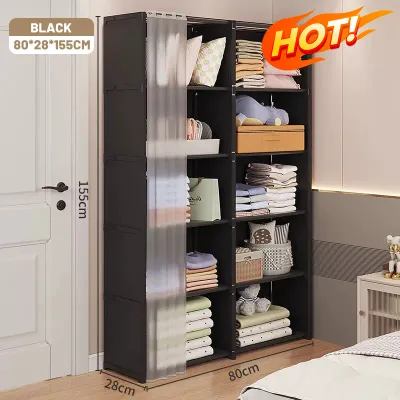
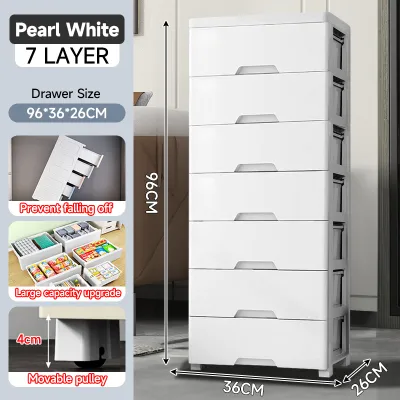
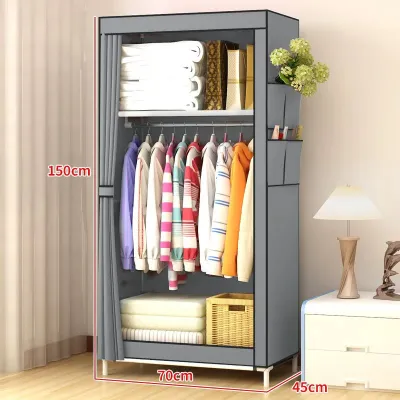
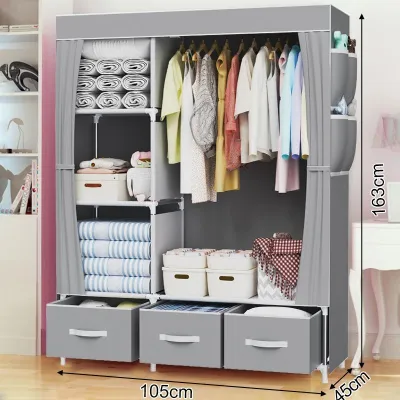
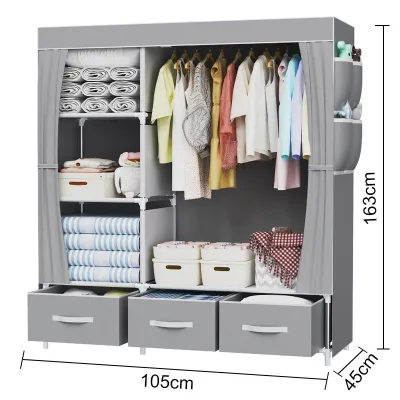
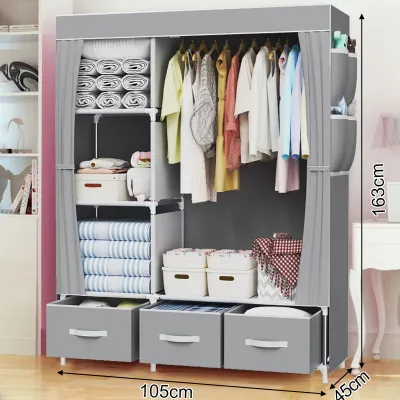
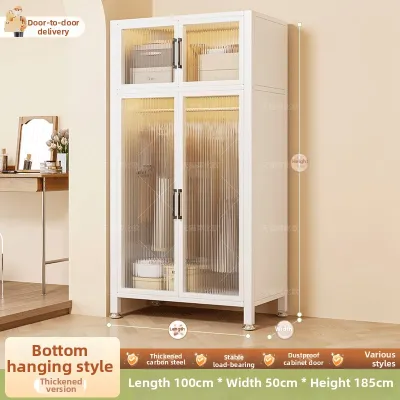
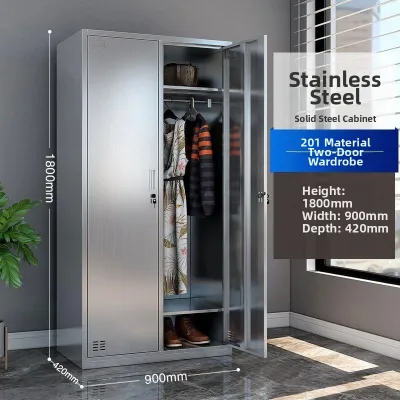
Prices are valid at publication and may change. Please refer to the product page for the latest price.
Finally, evaluate the structural limits of your cabinet. Check the manufacturer’s manual for the maximum load capacity of the shelves and hanging rods. Heavy additions, such as solid wood drawer units or multiple steel pull-out baskets, add significant weight to the cabinet frame. In tropical regions like the Philippines, high humidity can affect certain materials over time, making it essential to verify that the cabinet is securely anchored to the wall to prevent tipping, especially when drawers are fully extended. Ensure there is sufficient clearance between the back panel and your clothing to promote airflow and prevent moisture buildup.
Configure Hanging Rods for Different Garment Lengths
Hanging rods are the backbone of most clothes storage cabinets, keeping garments wrinkle-free and visible. To optimize this space, define distinct clearance zones based on the lengths of your clothing. Long hanging items typically require a vertical clearance of 120 to 170 centimeters from the rod to the bottom of the section to prevent hemlines from dragging on the cabinet floor or lower shelves. Measure your longest garments while they are on hangers to determine your specific height requirements.

For shorter items like shirts, blouses, and skirts, you can significantly increase your storage capacity by planning a double-hang configuration. This setup places one rod near the top of the cabinet and a second rod below it, effectively doubling the hanging space within the same footprint. A standard double-hang section usually requires a total vertical height of at least 200 to 220 centimeters, allowing roughly 100 centimeters of clearance for each level. If your cabinet height is limited, prioritize a single high rod for long items and a single medium-height rod for short items, utilizing the space below for drawers or low shelves.
The durability of your hanging setup depends heavily on the mounting hardware and rod material. Standard round or oval metal rods (such as chrome-plated steel or aluminum) offer reliable support and resist bending under heavy loads. Wooden rods can also be used but should be checked regularly for bowing, especially over longer spans. If a hanging rod exceeds 90 centimeters in width, install a center support bracket to distribute the weight evenly and prevent the rod from sagging or pulling away from the side panels. Always verify that the mounting brackets are securely screwed into the cabinet’s structural frame or pre-drilled system holes.
Arrange Shelves for Folded Items and Bulky Storage
Shelves provide versatile storage for items that do not need to be hung, such as t-shirts, sweaters, denim, and storage boxes. To maximize this versatility, position adjustable shelves at varying heights throughout the cabinet. Place shelves for everyday folded clothes at eye level or chest height, where they are easiest to reach and organize. Reserve the highest shelves—often referred to as the top cap—for bulky, infrequently used items such as extra bedding, seasonal blankets, travel bags, or holiday gear.
When planning shelf dimensions, limit the width of individual shelves to prevent structural sagging. Unsupported shelves wider than 80 centimeters are prone to bending under the weight of heavy folded clothes or storage boxes. If your cabinet has wide open sections, consider adding vertical partitions to create narrower, sturdier shelving bays. Additionally, keep your stacks of folded clothes manageable; stacks that are too high (typically over 30 centimeters) tend to topple over when you retrieve an item from the bottom, creating instant clutter.
To maintain order on open shelves, integrate practical accessories like shelf dividers or storage bins. Dividers slide onto the shelves to keep different categories of clothing, such as activewear and casual t-shirts, neatly separated. For smaller or loose items, breathable fabric baskets or wire bins are highly effective. In humid climates, wire baskets are particularly beneficial as they allow air to circulate freely around your clothes, reducing the risk of musty odors and mold growth. Ensure that any bins you choose fit comfortably within the shelf depth and leave enough clearance for easy removal.
Integrate Drawers and Accessories for Small Items
Drawers and pull-out trays are essential for organizing smaller wardrobe items that easily become disorganized on open shelves, such as underwear, socks, swimwear, and personal accessories. For optimal ergonomics and safety, place drawer units in the lower to middle sections of your clothes storage cabinet. Keeping heavy drawer units low to the ground maintains a low center of gravity, which enhances the overall stability of the cabinet and minimizes the risk of tip-over accidents when drawers are pulled open.
Select drawer depths and internal configurations based on the specific items you plan to store. Shallow drawers (around 10 to 15 centimeters deep) are ideal for socks, underwear, ties, and jewelry, as they prevent items from getting buried under multiple layers. Deeper drawers (20 centimeters or more) work well for bulkier items like pajamas, workout gear, or towels. Utilize adjustable internal dividers or small organizer trays to segment the drawer space, ensuring that every item has a designated spot and remains visible.
Before finalizing the placement of your drawers, verify all operational clearances. Drawers must be able to glide open fully without obstruction. Check that the drawer fronts do not collide with sliding door tracks, hinges, or the cabinet frame when opened. If your cabinet has hinged doors, ensure the doors can open wide enough (often requiring 110-degree or 170-degree hinges) to allow the drawers to pull straight out. Additionally, leave sufficient vertical clearance between the top drawer and any hanging garments above it so that hemlines do not get caught in the drawer slides.
Adjust and Maintain Your Cabinet Layout Over Time
Your wardrobe is not static; it changes with lifestyle shifts, career transitions, and seasonal weather patterns. To keep your clothes storage cabinet functional, establish a routine for evaluating and adjusting your layout. A bi-annual review—ideally during seasonal transitions—is an excellent opportunity to declutter items you no longer wear and assess whether your current configuration still meets your daily needs.
Take full advantage of adjustable shelving tracks, often called pilaster strips or system holes, which are standard in many modern cabinets. These tracks allow you to move shelves up or down in small increments without the need for specialized tools. If you find yourself buying more long dresses, you can easily raise a shelf or remove a lower rod to accommodate them. Modular components, such as add-on wire baskets, hanging organizers, or removable dividers, allow you to customize your space dynamically without investing in an entirely new cabinet system.
Regular maintenance is crucial to ensure the longevity and safety of your storage system. Periodically inspect all hardware, including hanging rod brackets, shelf support pins, drawer glides, and wall anchoring brackets. Look for signs of wear, loose screws, or structural sagging. Tighten any loose fasteners immediately and replace damaged hardware according to the manufacturer’s instructions. In humid environments, wipe down interior surfaces with a dry cloth during your reviews to keep the cabinet clean and dry, ensuring your clothes remain in pristine condition.
Frequently Asked Questions (FAQ)
Can I add more hanging rods to an existing clothes storage cabinet?
Yes, you can add more hanging rods if the cabinet’s side panels are structurally sound and thick enough to support mounting screws. Check the panels for solid wood or high-density engineered wood construction, as thin or hollow panels may not hold the weight. Ensure you have sufficient vertical clearance for the garments you plan to hang, and use heavy-duty mounting brackets secured with appropriate screws.
What is the best way to store shoes inside a clothes storage cabinet?
To store shoes effectively inside a cabinet, use pull-out shoe racks or dedicated bottom shelves lined with protective, easy-to-clean mats. Keeping footwear on the lowest levels prevents dirt and debris from falling onto your clean clothes. Ensure there is adequate ventilation within the cabinet, and keep shoes completely dry before storing them to prevent moisture buildup and odors.

Community discussion
Share your experience or ask a question. Comments are reviewed before publication.