
Transforming a small apartment balcony into a cozy, picnik-style lounge corner is an excellent way to maximize limited outdoor space and enjoy fresh air right at home. By utilizing low-profile furniture, weather-resistant textiles, and a thoughtful layout, you can recreate the relaxed, casual atmosphere of an outdoor park picnic within a compact footprint. This setup allows you to transition seamlessly from a busy workday to a peaceful evening wind-down without leaving your condo.
Achieving this look requires balancing comfort with the practical realities of outdoor living, especially in a tropical climate. High humidity, intense sun exposure, and sudden rain showers mean that every design choice must prioritize durability and safety alongside aesthetics. With the right planning, even the smallest balcony can become a functional, inviting retreat for morning coffee or weekend relaxation.
Assess Your Balcony Space and Layout Constraints
Before purchasing any furniture or decor, you must thoroughly evaluate the physical dimensions and structural limitations of your balcony. Start by measuring the exact length and width of the usable floor area using a metal tape measure. Be sure to account for the swing radius of any doors opening onto the balcony, as well as the clearance needed for walkways and utility areas, such as air conditioning condenser units or drainage grates.
Products mentioned in this guide
Prices are valid at publication and may change. Please refer to the product page for the latest price.
Structural safety is another critical factor that cannot be overlooked when planning an outdoor lounge. Check your condominium association or building management guidelines to verify the maximum weight capacity of your balcony floor. While a few cushions and a low table are generally lightweight, adding heavy planters or multiple guests can quickly approach structural limits. Additionally, inspect the height and stability of your balcony railings to ensure they meet local safety codes and provide adequate protection.
The local climate plays a decisive role in determining which materials will survive on your balcony. Observe how much direct sunlight, wind, and rain your balcony receives throughout the day. A balcony facing the afternoon sun will require highly UV-resistant fabrics to prevent rapid fading, while an open, high-rise balcony exposed to strong winds will require heavy or easily securable items that cannot blow away. Understanding these environmental factors beforehand prevents costly purchasing mistakes.
Select Picnic-Style Furniture and Soft Furnishings
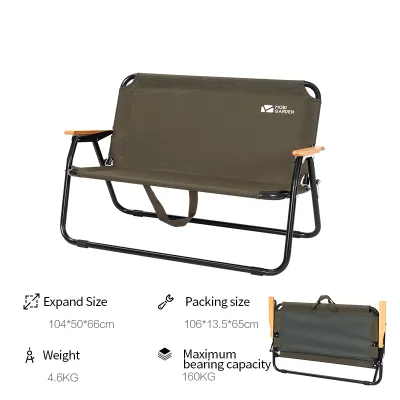
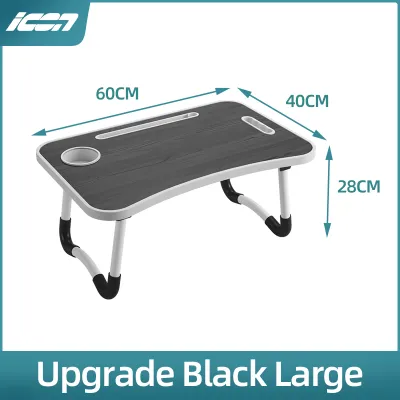
Creating a picnik-style aesthetic relies heavily on low-profile seating that keeps you close to the floor, mimicking the feel of sitting on a park lawn. Floor cushions, outdoor poufs, and low-slung folding chairs are excellent choices that provide comfort without dominating the visual space of a small balcony. Pair these with a low, stable coffee table or a folding picnic table that can be easily moved or tucked away when not in use.

When shopping for these items, do not rely solely on generic material names like canvas or wood to guarantee durability. Instead, carefully inspect the manufacturer labels and product specifications for explicit outdoor ratings, water resistance, and UV protection. Untreated fabrics and indoor-grade wood will quickly succumb to mold, rot, and color degradation when exposed to tropical humidity and rain. Look for synthetic fibers like solution-dyed acrylic or polyester with a water-repellent coating, and ensure any wooden elements are treated with an outdoor-grade sealant.
Space-saving functionality is essential for maintaining a versatile balcony area. Prioritize furniture designs that are foldable, stackable, or highly portable. A foldable low table can be leaned against the wall when you need floor space for drying laundry or cleaning, while stackable poufs can be piled neatly in a corner. This flexibility ensures your balcony remains highly functional for daily chores while still serving as a cozy weekend retreat.
Establishing a realistic budget helps narrow down your options and ensures you invest in pieces that last. For a basic yet durable setup, you might allocate around ₱1,500 to ₱3,000 for a high-quality outdoor rug and a pair of weather-resistant floor cushions. If you plan to add a sturdy, treated low wooden table and premium UV-resistant textiles, budgeting between ₱5,000 and ₱10,000 will allow you to source materials designed to withstand harsh outdoor conditions over multiple seasons.
Step-by-Step Setup for a Cozy Lounge Corner
Begin your transformation by thoroughly cleaning the balcony floor surface to remove dust, soot, and any accumulated grime. Sweep the area clean, scrub it with a mild detergent and water, and allow it to dry completely before proceeding. Once the floor is clean, lay down a durable, outdoor-rated rug or woven plastic mat to define the lounge area and provide a comfortable, clean foundation for your low-profile seating.
Next, arrange the base seating layer by positioning your largest floor cushions or outdoor poufs around the perimeter of your designated lounge zone. Place your central low table within easy reach of the seating, ensuring there is enough legroom to sit comfortably without feeling cramped. Leave a clear path of at least 60 centimeters between the furniture and the balcony door to allow for safe, unobstructed movement.
Once the main furniture is in place, layer in smaller throw pillows and lightweight blankets to enhance the cozy, inviting feel of the space. When arranging these soft accessories, make sure they do not block air conditioning vents, drainage paths, or designated emergency exit routes. Keeping these pathways clear is vital for maintaining proper apartment ventilation and ensuring safety during an emergency.
Conclude the setup by performing a thorough stability and slip-resistance check on every item you have placed. Step on the rug to ensure it does not slide on the smooth balcony tiles, and sit on each cushion to verify that the seating feels secure. If the table wobbles, adjust its positioning or use weather-resistant leveling pads to prevent drinks or decor from tipping over during use.
Incorporate Lighting and Weather-Safe Accessories
Ambient lighting is key to transitioning your picnic corner from a daytime reading nook to a cozy evening retreat. To avoid the hazards of running extension cords through doors or exposing indoor plugs to damp outdoor air, choose battery-operated or solar-powered lighting options. String lights, LED lanterns, and small solar path lights can be easily draped along railings or placed on the table to create a warm, inviting glow without electrical risks.
Wind safety is a major concern for high-rise apartment balconies, where sudden gusts can easily turn lightweight decor into dangerous falling hazards. Secure all decorative items, such as small planters, lanterns, or lightweight ornaments, using heavy-duty zip ties, outdoor mounting tape, or weighted bases. Avoid placing fragile glass or ceramic items near the edge of the railing, opting instead for shatterproof materials like melamine, metal, or treated wood.
Always ensure that your lighting and decorative choices comply fully with your building’s fire safety regulations and balcony usage policies. Many condominium properties prohibit the use of open flames, such as traditional wax candles or charcoal grills, on balconies due to fire hazards. Opt for realistic LED flameless candles instead to enjoy the flickering ambiance safely and responsibly.
Care and Maintenance for Outdoor Balcony Textiles
To keep your picnic-style lounge corner looking fresh and inviting, you must establish a regular cleaning and maintenance routine. Always follow the specific washing, drying, and care instructions printed on the manufacturer labels of your outdoor cushions, rugs, and blankets. Using the wrong cleaning agents or machine cycles can strip away protective water-resistant coatings and shorten the lifespan of your textiles.
During periods of heavy rain, typhoons, or high humidity, do not leave your soft furnishings exposed on the balcony. Store your cushions, pillows, and blankets indoors or inside a tightly sealed, waterproof storage bin kept on the balcony. This simple habit prevents waterlogging, accelerates drying times, and significantly reduces the risk of mold and mildew growth in tropical climates.
Regularly inspect your balcony furniture and textiles for signs of wear, moisture buildup, or structural damage. Check the joints of folding tables for rust or loose screws, and examine the undersides of rugs and cushions for dampness after a rainstorm. Catching these issues early allows you to clean, dry, or repair the items before minor wear turns into permanent damage.
Frequently Asked Questions (FAQ)
Can I use indoor picnic blankets and cushions on my balcony?
Using standard indoor blankets and cushions on an outdoor balcony is not recommended due to the high risk of moisture retention and mold growth. Indoor textiles lack the specialized water-resistant and UV-protective coatings found in outdoor-rated fabrics, meaning they will quickly absorb humidity, trap dirt, and fade under direct sunlight. If you do use indoor items temporarily, always bring them back inside immediately after use and never leave them outdoors overnight.
How do I secure a picnic rug on a smooth balcony floor?
To prevent a picnic rug from slipping on smooth balcony tiles, place a high-quality, outdoor-rated non-slip rug pad directly underneath it. Avoid using permanent adhesives, double-sided tape, or glue, as these can leave stubborn residues, damage the balcony flooring, and potentially violate your lease agreement or condo guidelines. Alternatively, you can anchor the corners of the rug by placing heavy, stable furniture pieces, like your low table or weighted planters, directly on top of them.

Community discussion
Share your experience or ask a question. Comments are reviewed before publication.