
Preparing for a lipat bahay in the Philippines involves a lot of moving parts, but few questions are as pressing as how many logistic boxes you need to buy. Underestimating your packing needs leads to stressful, last-minute trips to local hardware stores or urgent online orders, while overestimating leaves you with bulky, unused boxes cluttering your new space. Finding the right balance requires looking closely at your household size, the weight of your belongings, and the specific climate challenges of moving in a tropical environment.
While there is no single formula that fits every household, a practical starting point is to evaluate your space room by room. A typical studio apartment usually requires a modest collection of 10 to 20 boxes, whereas a fully furnished three-bedroom family home can easily demand 50 or more. By understanding how to distribute your items across different box sizes, you can streamline your packing process, protect your valuables from humidity, and keep your moving expenses in ₱ well within budget.
Assess Your Space and Household Size
To establish a realistic baseline for your lipat bahay, start with the physical footprint of your current home and the number of people living in it. A single occupant in a studio or a minimalist one-bedroom apartment will naturally require far fewer logistic boxes than a family of four sharing a multi-bedroom house. For smaller spaces, a baseline of 10 to 15 medium and large boxes is often sufficient to pack up clothing, basic kitchenware, and personal items.
Products mentioned in this guide
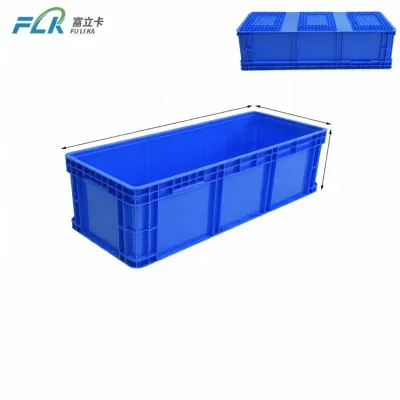
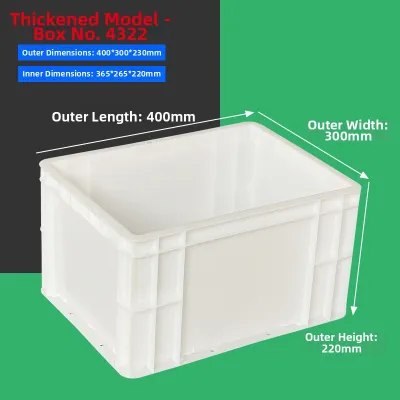
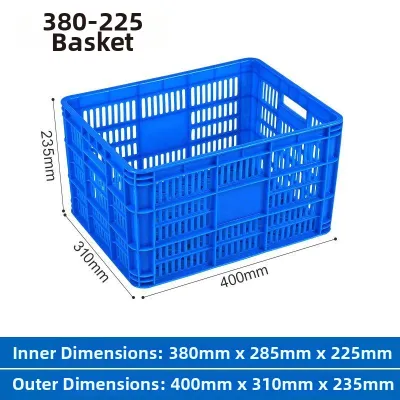
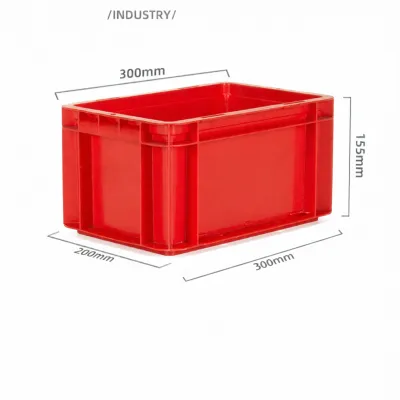
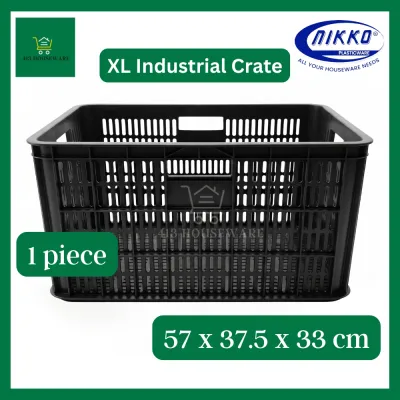
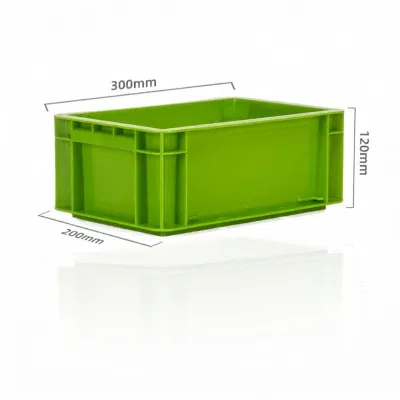
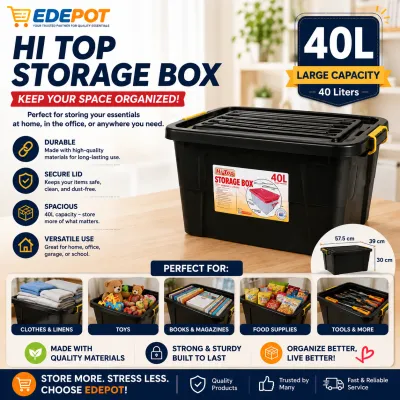
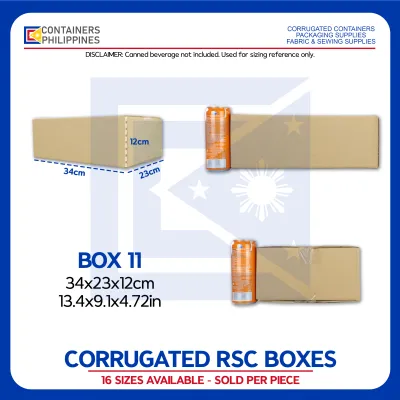
Prices are valid at publication and may change. Please refer to the product page for the latest price.
However, you must adjust this baseline according to your lifestyle and personal collections. If you are an avid reader with shelves of books, a hobbyist with specialized gear, or someone who keeps a large wardrobe, your box count will quickly double. Minimalists might pack up an entire bedroom in five boxes, while a collector might need ten boxes just for a single closet. Be honest about your accumulation habits before purchasing your packing supplies.
Do not forget to factor in shared spaces like kitchens and living rooms, which often hold the highest density of items. A kitchen is notoriously difficult to pack because of fragile glassware, heavy pots, and small appliances. Even in a small apartment, the kitchen and living room combined can easily require an additional 10 to 15 boxes. These communal areas demand careful planning because their contents cannot be easily estimated by bedroom count alone.
Match Box Sizes to Item Weight and Fragility
When sourcing your logistic boxes, variety is far more important than simply buying the largest containers available. A common mistake during a lipat bahay is packing heavy items into large boxes, making them nearly impossible to lift and increasing the risk of the bottom breaking open. To ensure safety and structural integrity, you must match the finished dimensions and load capacity of each box to the specific items you plan to pack.

Small logistic boxes are ideal for dense, heavy items such as books, tools, documents, and canned pantry goods. Because these items have high weight but low volume, keeping them in smaller containers ensures the total weight remains manageable for you or your movers. When choosing cardboard boxes for these heavy loads, check the manufacturer’s edge crush test rating or opt for heavy-duty plastic utility boxes that offer superior stability and moisture resistance in humid tropical climates.
Medium logistic boxes serve as the workhorses of your move, perfectly suited for mixed everyday items. Use them for kitchenware, shoes, toys, decorative pieces, and small electronics. Their balanced dimensions allow you to pack a mix of heavier items at the bottom and lighter padding, like packing paper or bubble wrap, at the top. This prevents the box from becoming awkwardly heavy while maximizing the use of space.
Large boxes should be reserved strictly for bulky, lightweight items that take up a lot of space but add very little weight. Bedding, pillows, blankets, winter wear, and soft plush toys are perfect candidates for these larger containers. Packing heavy items in a large box not only risks physical injury during lifting but can also cause the box to warp or collapse when stacked inside the moving truck, potentially damaging fragile items nearby.
Calculate Your Room-by-Room Box Quantities
To avoid over-purchasing or running short of packing materials, take a systematic, room-by-room approach to your calculations. Walk through each area of your home with a notepad and tally the items that cannot be moved loose. By breaking down the packing process into distinct zones—such as the bedroom, bathroom, living room, and kitchen—you can track your volume accurately and avoid double-counting items that might be moved between rooms.
Once you have your initial estimate, always add a 10% to 15% buffer to your total box count. Last-minute packing always reveals forgotten items hidden in the backs of cabinets, under beds, or in outdoor storage areas. Having a few extra logistic boxes on hand prevents the panic of running out of supplies on the eve of your lipat bahay, ensuring a smoother and more organized moving day.
You can also control your overall moving costs in ₱ by checking your existing storage solutions before buying new boxes. Hard-shell suitcases, plastic storage bins, laundry baskets, and even sturdy backpacks can serve as excellent alternatives to purchased boxes. Utilizing these existing containers not only saves money but also reduces the total volume of empty boxes you need to transport and eventually discard or store in your new home.
Identify Items That Need Alternative Packing Solutions
While standard logistic boxes are highly versatile, certain belongings require specialized packing methods to prevent damage during transit. For instance, hanging clothes are best transported in wardrobe boxes or heavy-duty garment bags. This keeps your suits, dresses, and delicate fabrics on their hangers, preventing deep wrinkles and saving you the tedious chore of re-ironing everything once you unpack in your new home.
Large appliances, mirrors, and fragile artwork also demand solutions beyond standard cardboard boxes. Whenever possible, use the original packaging for electronics like flat-screen televisions and kitchen appliances, as these boxes are custom-designed to protect the item’s specific dimensions and delicate components. If the original boxes are long gone, look for specialized wooden crates or heavy-duty corrugated wraps, and ensure they are securely anchored inside the moving vehicle to prevent shifting.
Valuables, sensitive electronics, and important documents should never be packed into standard moving boxes that might be misplaced or handled roughly. Instead, repurpose your hard-shell suitcases with built-in locks for these high-priority items. Keeping your laptops, jewelry, passports, and land titles in a secure, easily identifiable suitcase allows you to transport them personally, giving you peace of mind throughout the entire lipat bahay process.
Frequently Asked Questions (FAQ)
How far in advance should I buy my logistic boxes?
It is best to source your logistic boxes at least two to three weeks before your scheduled moving day. Sourcing your packing materials early allows you to pack gradually, tackling non-essential items like seasonal clothing, books, and decorative pieces first. This gradual approach is far less stressful than trying to cram your entire household into boxes over a single weekend, and it gives you ample time to order more supplies if your initial estimates run short.
What should I do with leftover logistic boxes after moving?
Once your lipat bahay is complete, flatten your cardboard logistic boxes and store them in a dry, pest-free area for future use, or pass them along to friends who are planning a move. If you have high-quality plastic logistic boxes, they can be easily repurposed as permanent storage solutions in your closets, garage, or pantry. Alternatively, you can sell or give away surplus boxes on local online marketplaces, ecommerce platforms, or neighborhood social media groups to help others in your community reduce their moving costs.

Community discussion
Share your experience or ask a question. Comments are reviewed before publication.