
Finding the right storage solution requires balancing durability, cost, and functionality. When you are looking for a lightweight, rust-proof, and highly adaptable closet system, a plastic wardrobe with hanger options is an excellent choice. This type of furniture has become increasingly popular in the Philippines, where the tropical climate demands materials that can withstand high humidity without warping or attracting mold. However, not all plastic wardrobes are manufactured to the same standard. To make a smart purchase, you must evaluate specific features like load capacity, joint design, and rail stability before bringing a unit home.
Set Realistic Expectations: What Plastic Wardrobes Can and Cannot Hold
Before browsing online marketplaces or visiting local furniture showrooms, you must establish realistic expectations for what plastic closets can actually support. These units are highly practical, but they are not direct structural substitutes for solid hardwood wardrobes. Instead, they are best suited for lightweight garments, children’s clothes, guest rooms, student dormitories, or temporary living setups.
To determine if a specific model fits your wardrobe, check the manufacturer’s product label or specification sheet for the maximum weight capacity. Never assume that a wardrobe can handle a heavy load simply because it looks bulky; the word “plastic” covers a wide range of material densities and structural limits. A high-quality model will clearly list the weight limits for both the hanging rod and individual shelves.
Products mentioned in this guide
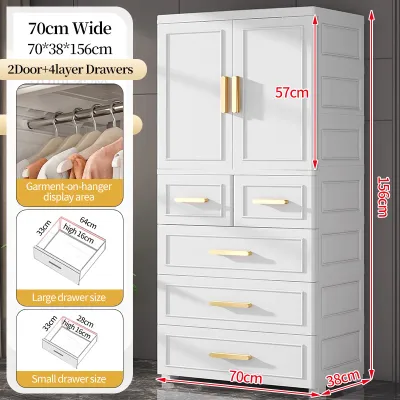
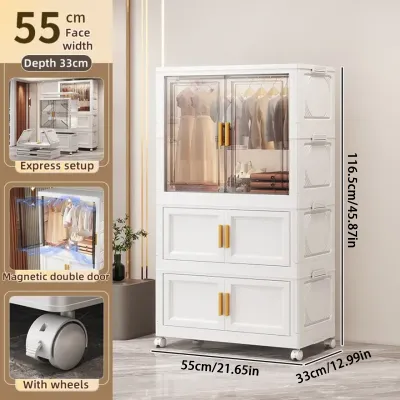
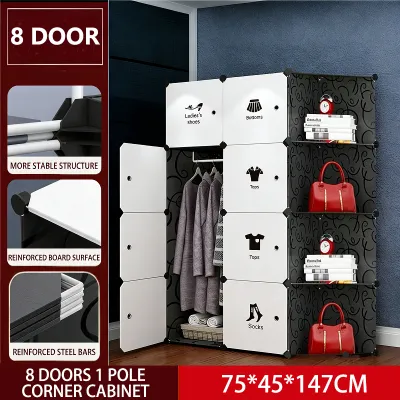
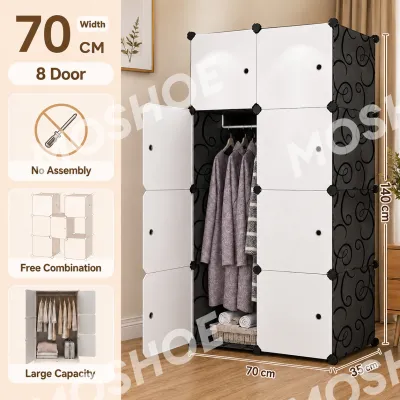
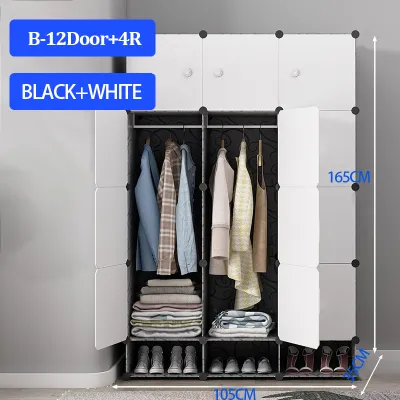
Prices are valid at publication and may change. Please refer to the product page for the latest price.
Overloading a plastic closet presents immediate risks. Over time, excessive weight causes the main panels to bow, the joints to crack, and the entire structure to warp or collapse. If you plan to store heavy winter coats, thick denim, or bulky bedding, a standard plastic unit might not be the right fit unless it features a heavily reinforced frame.
In the humid climate of the Philippines, plastic offers a major advantage over untreated wood by resisting moisture absorption and wood-boring pests like termites. However, plastic does not breathe. This means you must still ensure proper ventilation inside the room and leave a small gap between clothes to prevent stagnant air from causing mildew on your garments.
Inspect the Frame and Joints for Structural Integrity
The overall durability of your wardrobe depends entirely on its structural design. Since you cannot easily repair cracked plastic, you must inspect the frame and connection points carefully before purchasing.

Panel Thickness and Design
When evaluating the main panels, look closely at their thickness and cross-sectional design. High-quality plastic wardrobes do not rely on single, thin sheets of plastic. Instead, look for panels with molded-in reinforcing ribs, double-wall construction, or a distinct honeycomb pattern on the back and bottom surfaces. These structural patterns distribute weight evenly and prevent the panels from twisting or buckling under load.
Connectors and Joints
The points where panels meet are the most common failure zones in plastic furniture. If the wardrobe utilizes interlocking slots or snap-in plastic clips, inspect them for precision. The components should fit together tightly without requiring extreme force that leaves white stress marks or visible creases in the plastic. If the unit uses metal screws for assembly, verify that the receiving plastic holes feature brass or steel threaded inserts. Screwing directly into soft plastic easily strips the threads, rendering the joint loose and impossible to tighten securely.
Base and Feet
A stable wardrobe requires a solid foundation. Check the design of the bottom panel and the feet. If the wardrobe sits directly on the floor, the base panel should be thick and reinforced to prevent sagging. If the model includes raised feet or casters, ensure they lock securely into the frame. Avoid units with flimsy, unreinforced plastic pegs that can easily bend or snap when the wardrobe is fully loaded and moved.
Surface Finish
Examine the texture of the plastic surfaces. A smooth, non-porous, and high-gloss or satin finish is highly desirable because it is easy to wipe down with a damp cloth. Textured finishes may look attractive, but they can trap dust, oils, and moisture over time, which can lead to localized grime build-up in tropical environments.
Evaluate the Hanging Rail of Your Plastic Wardrobe with Hanger System
The hanging system is the core feature of a plastic wardrobe with hanger accessories, and it requires the closest inspection to prevent premature failure.
Hanging Rail Material and Mounting
The hanging rail must support the cumulative weight of your shirts, dresses, and jackets. Determine if the rail is made of stainless steel, powder-coated aluminum, or simple hollow plastic. Metal rails are vastly superior because they resist bending under load. Equally important is how the rail mounts to the side panels. It should rest in deep, molded brackets that distribute the downward force across a wide surface area of the side walls, rather than hanging from thin, fragile plastic tabs that can snap off under sudden pressure.
Included Hangers
Do not overlook the quality of the bundled hangers that come with the wardrobe. Many manufacturers include cheap, ultra-thin plastic hangers that bend easily or leave creases on the shoulders of your clothes. Look for sturdy, contoured plastic hangers, velvet-flocked hangers that prevent silky fabrics from slipping, or heavy-duty wire hangers with protective coatings. The presence of integrated shoulder notches or non-slip rubber grips is a major plus for hanging strapless garments or delicate straps.
Sizing and Compatibility
Measure the depth of the wardrobe and compare it to the width of the included hangers. Standard adult hangers require a wardrobe depth of at least 50 to 55 centimeters to hang freely. If the wardrobe is too shallow, the hangers will sit at an angle, forcing the garments to rub against the back panel or preventing the front doors from closing completely. Ensure the included hangers are not child-sized unless you are specifically buying the unit for a nursery.
Warning Signs to Watch For
If you are inspecting a physical display unit, apply light downward pressure to the center of the hanging rail. If the rail bows significantly under moderate hand pressure, or if the side mounting brackets show any signs of flexing or stress, you should stop and reconsider the purchase. A weak hanging system will inevitably fail once you hang a full set of freshly laundered clothes.
Test the Shelves, Doors, and Moving Parts for Daily Use
A functional wardrobe must be easy to open, close, and organize on a daily basis without requiring constant adjustments.
Shelves and Adjustability
If the wardrobe includes shelving compartments alongside the hanging space, check how the shelves are supported. Look for robust, thick-walled support pins or integrated molded slots. High-quality shelves often feature a raised front lip or edge, which prevents folded garments from sliding forward and pressing against the doors. Press down on the center of the shelves to check for rigidity; any noticeable sagging indicates that the shelf will struggle with folded linens or stacks of jeans.
Door Mechanisms
For wardrobes with rigid, swinging plastic doors, test the hinges. The doors should swing smoothly without squeaking or binding, and they should align perfectly when closed. Check for magnetic catches or physical latches that keep the doors shut against drafts and pests. If the wardrobe features a roll-up fabric or zippered cover instead of rigid doors, test the zippers multiple times. The zippers should glide easily without catching on the fabric, and the bottom hem of the cover should be weighted so it hangs straight and seals the cabinet properly.
Drawers and Sliders
If your chosen model includes pull-out drawers, test their movement. Pull them out fully to ensure they slide smoothly along their tracks without sticking or derailing. High-quality plastic drawers feature built-in safety stops that prevent the drawer from pulling completely out of the frame, which is a critical safety feature to prevent heavy drawers from falling onto your feet.
Verify Dimensions, Space Clearance, and Assembly Requirements
Before committing to a purchase, you must verify that the wardrobe will physically fit into your designated room and that you can assemble it safely.
Footprint and Clearance
Measure the exact width, depth, and height of the space where you plan to place the wardrobe. Remember to account for baseboards, wall trim, light fixtures, and ceiling fans. Ensure there is plenty of clearance in front of the unit so you can open the doors fully and stand comfortably while sorting through your clothes. If you live in an apartment or condominium, verify that the flat-packed box or pre-assembled unit can fit through your doorways, hallways, and elevator doors.
Assembly Needs
Review the assembly instructions before you buy. Some modular plastic wardrobes can be assembled without tools using a simple snap-together system, while others require screwdrivers or rubber mallets. Check if the manufacturer recommends a two-person assembly. Taller wardrobes can be awkward to balance during setup, and having a second person holds the panels in place to prevent the joints from twisting and cracking before they are fully secured.
Post-Assembly Verification
Once the wardrobe is fully assembled, perform a quick stability check. Gently shake the frame from side to side; it should feel rigid and grounded. If the frame wobbles or sways significantly, do not begin loading it with clothes. A wobbly plastic frame indicates that the joints are not fully seated, the floor is uneven, or the unit is structurally compromised, posing a serious tipping hazard.
Frequently Asked Questions (FAQ)
Can I replace the included hangers with heavier wooden ones?
Before swapping out the included hangers for wooden alternatives, you must check the weight limit of your wardrobe’s hanging rail. Wooden hangers are significantly heavier than plastic or wire options. Using dozens of wooden hangers adds substantial dead weight to the rail before you even hang a single piece of clothing, which can cause the rail to bend, warp, or snap at the side mounting brackets over time. Stick to lightweight plastic or slim velvet hangers to maximize your hanging capacity.
How do I prevent a tall plastic wardrobe from tipping over?
To secure a tall or narrow plastic wardrobe, you should use anti-tip wall straps or anchors to mount the frame directly to the wall. This safety precaution is highly recommended in homes with young children or pets who might attempt to climb or pull on the unit. Additionally, you can improve the physical stability of the wardrobe by placing your heaviest items, such as shoes, heavy storage boxes, or folded denim, on the bottom shelves to lower the overall center of gravity.

Community discussion
Share your experience or ask a question. Comments are reviewed before publication.