
Selecting a zipper cabinet for clothes requires looking beyond the outer fabric cover and focusing on what lies inside. While a stylish exterior might catch your eye, the internal layout determines whether your clothes remain organized, wrinkle-free, and protected from tropical humidity. A poorly planned interior leads to cluttered piles, sagging shelves, and bent hanging rods, forcing you to constantly reorganize your bedroom. By evaluating the configuration of hanging rods, shelves, and dividers before making a purchase, you can find a storage solution that matches your wardrobe inventory and fits seamlessly into your daily routine.
Assess Your Clothing Inventory Before Choosing a Layout
Before browsing online marketplaces or local furniture shops, take a complete inventory of your wardrobe to understand your exact storage requirements. Begin by categorizing your garments into distinct groups: long hanging items like maxi dresses, trousers, and long coats; short hanging items such as shirts, blouses, and light jackets; and folded clothing like t-shirts, jeans, and activewear. If you live in a tropical climate like the Philippines, your wardrobe likely consists of lightweight fabrics that require specific care to prevent creasing, alongside occasional heavier items for travel or air-conditioned offices.
Next, identify your bulky storage needs. Many households use the top or bottom sections of a zipper cabinet for clothes to store non-clothing items, such as spare bedsheets, blankets, travel luggage, or seasonal gear. If you plan to store heavy plastic organizers or travel bags, you will need a layout that offers wide, unobstructed compartments at the base or a reinforced top shelf. Neglecting these bulky items during your planning stage often results in them being crammed into spaces meant for daily wear, which compromises the cabinet’s structural balance.
Products mentioned in this guide
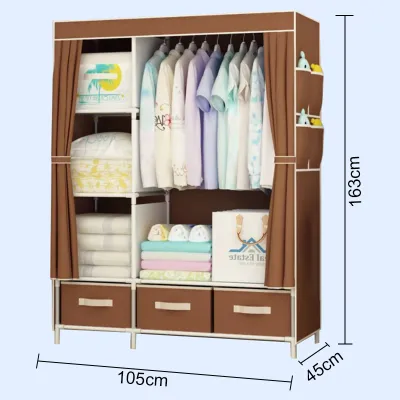
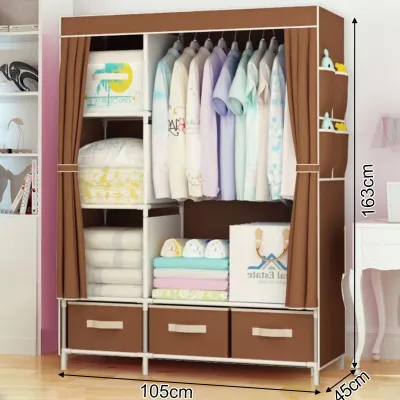
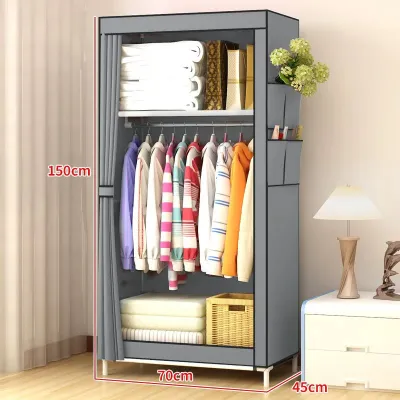
Prices are valid at publication and may change. Please refer to the product page for the latest price.
Finally, map out your daily access habits to determine the ideal reach zones. Frequently worn items, such as daily work uniforms, casual shirts, and undergarments, should reside in high-reach zones—typically between waist and eye level—where they can be retrieved without bending down or stretching. Less active items, such as formal wear or spare bedding, can be allocated to low-reach zones at the very bottom or high shelves at the top. Designing your layout around these access zones ensures your zipper cabinet remains orderly even during busy mornings.
Evaluate the Core Internal Compartments
The internal layout of a zipper cabinet for clothes directly impacts garment preservation, wrinkle prevention, and your overall daily convenience. A well-designed system separates different clothing types to maintain airflow, which is crucial for preventing musty odors in humid environments. To ensure the cabinet serves your needs, you must systematically inspect the hanging zones and folded storage areas.

Hanging Rods and Vertical Clearance
The hanging area is often the most critical zone in a fabric wardrobe, as improper clearance can ruin freshly ironed clothes. When evaluating a zipper cabinet for clothes, measure or check the vertical clearance from the hanging rod to the shelf or floor directly below it. For long garments like dresses or traditional formal wear, you need a continuous vertical drop that prevents the fabric from pooling at the bottom, which attracts dust and moisture. Short hanging zones, on the other hand, are ideal for organizing folded-over trousers, skirts, and short-sleeve shirts.
Beyond clearance, the structural integrity of the hanging rod is paramount. Inspect the rod’s material—typically steel, aluminum, or reinforced plastic—and pay close attention to the connection joints where the rod meets the frame. Heavy garments, such as denim jackets or thick hoodies, exert significant downward force; weak plastic connectors or thin metal rods can buckle under this weight. Look for cabinets that feature metal screw-in joints or reinforced brackets rather than simple push-fit plastic tees.
Additionally, consider whether the cabinet’s design offers flexibility. Some models support dual hanging rods, allowing you to double your hanging capacity for shorter items, while others feature adjustable height configurations. If your wardrobe changes with the seasons or if you share the cabinet with a partner, having adjustable rods allows you to reconfigure the space without needing to buy a completely new wardrobe system.
Shelves, Dividers, and Folded Storage Zones
Folded storage requires careful evaluation to prevent neat stacks of clothes from turning into a collapsed mess. Examine the spacing between shelves; shelves that are too far apart encourage you to stack clothes too high, making it difficult to retrieve an item from the bottom without toppling the entire pile. Ideally, look for shelf heights that accommodate moderate stacks of four to six t-shirts, or spaces that perfectly fit standard fabric storage bins.
The material of the shelves themselves is a major factor in long-term durability. Many zipper cabinets use non-woven fabric shelves stretched over metal support pipes. While lightweight, these fabric shelves can sag over time if loaded with heavy items like jeans or thick sweaters. Check if the shelves feature additional support bars underneath or if they are made of rigid resin panels, which distribute weight more evenly and resist sagging.
Do not overlook the utility of smaller organizational features. Some zipper cabinets include side pockets on the outer cover, built-in mesh dividers, or small hanging compartments designed for accessories, belts, socks, and undergarments. These integrated features keep small items from getting lost in larger compartments, helping you maintain a tidy layout without needing to purchase separate drawer inserts.
Verify Structural Stability and Outer Dimensions
A brilliant internal layout is useless if the cabinet’s frame cannot support the weight of your clothes or if the unit does not fit your room. Start by inspecting the frame’s construction details. Look for the manufacturer’s specifications regarding pipe thickness and joint material; thicker steel pipes and heavy-duty joints provide the necessary rigidity to prevent the cabinet from leaning or tipping over when fully loaded. A reinforced base, featuring extra legs or a low center of gravity, adds crucial stability.
The outer cover plays a vital role in protecting your clothes from environmental hazards. Examine the quality of the zipper mechanism, as a stuck or broken zipper renders the cabinet open to dust and pests. Look for covers with smooth-running, double-sided zippers and dust-proof sealing flaps along the seams. In tropical regions, a bottom cover that seals completely around the base is highly beneficial, as it prevents ground moisture, dust, and insects from entering the cabinet and damaging your garments.
Before finalizing your purchase, measure the fully assembled dimensions of the cabinet and compare them to your allocated room space. Ensure there is sufficient clearance not just for the cabinet itself, but also for standard doorways, hallways, and stairwells during delivery and assembly. Keep in mind that fabric cabinets require a small buffer zone around them to prevent the fabric cover from rubbing against walls, which can cause wear and restrict air circulation.
Adapt the Layout to Your Room and Daily Habits
Your physical living environment should dictate how you organize and place your zipper cabinet. In high-humidity areas, proper ventilation is essential to prevent mold and mildew from developing on your clothes. Avoid placing the cabinet directly against damp concrete walls; instead, leave a gap of a few centimeters to allow air to circulate. Place moisture-sensitive garments, such as leather jackets or delicate silks, in the upper, well-ventilated sections of the cabinet rather than near the floor where moisture tends to accumulate.
Consider the operational clearance required in your daily routine. Zipper doors typically roll up or fold back, but they still require physical space to operate. Ensure that nearby furniture, such as your bed or desk, does not block your access to the zippers or prevent you from pulling out internal storage drawers. If you plan to place the cabinet in a tight corner, a model with roll-up doors is often more practical than one with swinging fabric flaps.
Finally, remember that you can customize a standard layout to better suit your habits. If a cabinet lacks small compartments, you can budget a few hundred ₱ for independent fabric storage boxes, stackable plastic drawers, or hanging fabric organizers. These accessories allow you to bridge the gap between a basic built-in layout and a highly personalized storage system, ensuring that every item in your wardrobe has a dedicated, easily accessible home.
Frequently Asked Questions (FAQ)
Can I add extra shelves to a zipper cabinet if the layout is not enough?
Most fabric zipper cabinets are designed with fixed frame dimensions and pre-set attachment points, meaning you cannot easily add permanent built-in shelves without compromising the structural integrity of the frame. Attempting to drill holes or force extra pipes into the joints can weaken the cabinet and lead to collapse. Instead, the safest and most practical way to expand your storage capacity is by using lightweight, freestanding storage bins, stackable plastic drawers, or hanging fabric organizer bags that suspend directly from the existing hanging rods.
How do I prevent the hanging rod from bending under heavy clothes?
To prevent the hanging rod from bending or sagging, always distribute the weight of your garments evenly across the entire length of the rod rather than concentrating heavy items in the center. Place lighter shirts and blouses in the middle and position heavier items, like jackets or suits, closer to the support joints at the ends. Additionally, check the manufacturer’s maximum weight limit on the product label, and consider storing heavy seasonal wear in under-bed storage boxes rather than keeping them suspended indefinitely.

Community discussion
Share your experience or ask a question. Comments are reviewed before publication.