
Selecting a durable steel pipe wardrobe requires looking beyond the fabric cover to evaluate the underlying structural skeleton. To ensure your wardrobe can support a full load of clothing without buckling or swaying, you must verify the physical dimensions of the steel pipes, inspect the material and fit of the joint connectors, and confirm the manufacturer’s rated weight limits. In tropical climates like the Philippines, where high humidity can accelerate rust and weaken materials over time, choosing a wardrobe with robust surface protection and sturdy joints is essential for long-term stability. By focusing on these critical structural indicators, you can confidently select a storage solution that keeps your garments organized and secure.
Evaluating Steel Pipe Dimensions and Material Indicators
The foundational strength of any steel pipe wardrobe depends directly on the physical specifications of its metal frame. When browsing options online or in a physical showroom, avoid relying solely on visual estimates or product photos, which can easily distort the actual scale of the components. Instead, consult the product packaging, instruction manual, or online specification sheets to find the exact outer diameter and wall thickness of the pipes. A larger outer diameter generally provides better resistance against bending, while thicker pipe walls prevent the metal from crimping or buckling under heavy downward pressure.
For a reliable wardrobe, look for vertical support poles with an outer diameter of at least 16 millimeters, though heavy-duty models often feature poles measuring 19 millimeters or more. The wall thickness of the steel is equally critical; ultra-thin pipes under 0.5 millimeters are highly susceptible to bending, whereas pipes with a wall thickness of 0.8 millimeters or greater offer significantly better structural integrity. If the manufacturer does not explicitly state these measurements, you can often gauge the quality by checking the weight capacity ratings or asking the seller for a detailed specification sheet.
Products mentioned in this guide
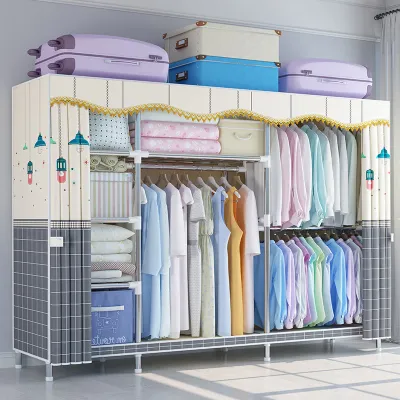
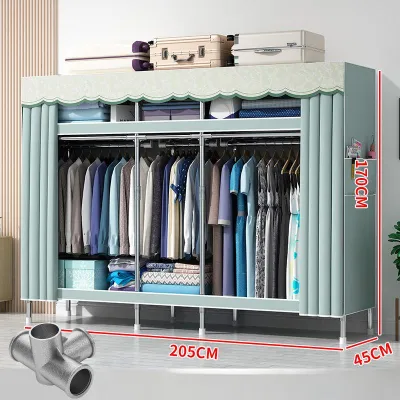
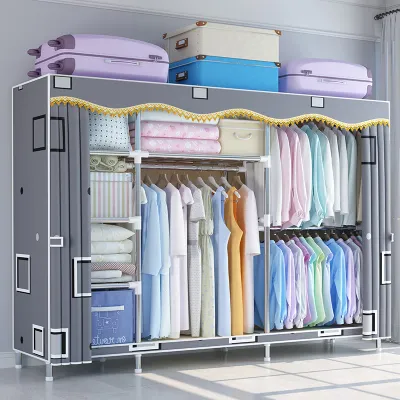
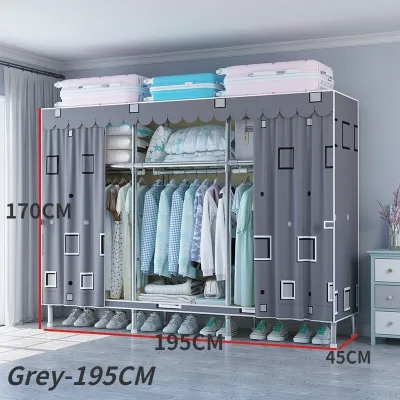
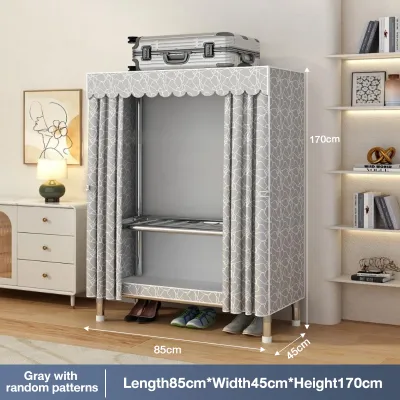
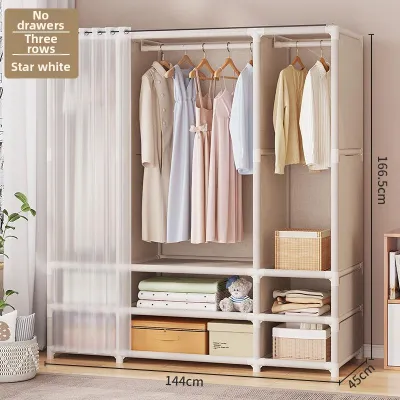
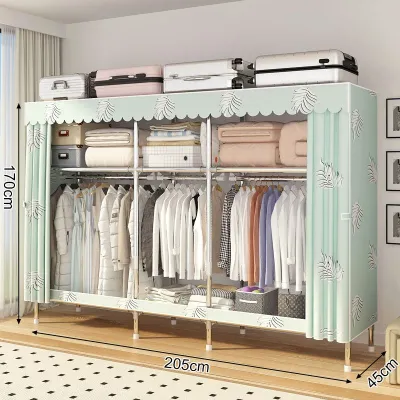
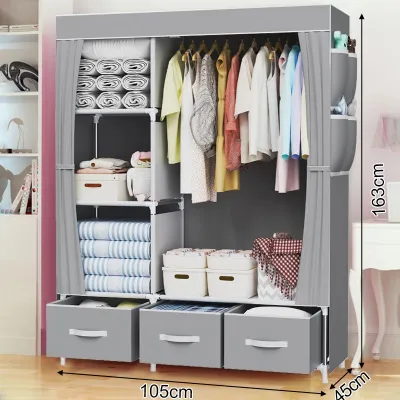
Prices are valid at publication and may change. Please refer to the product page for the latest price.
In addition to physical dimensions, the surface treatment applied to the steel pipes determines how well the wardrobe will resist environmental wear. High relative humidity can quickly lead to rust if the raw steel is exposed to moisture in the air. Look for pipes finished with a durable powder coating or a galvanized layer, which act as protective barriers against oxidation. A high-quality powder coating should feel smooth and uniform to the touch, without any bubbling, flaking, or bare spots where moisture could penetrate and initiate corrosion.
It is also important to distinguish between the roles of different pipes within the wardrobe’s assembly. The vertical support poles bear the compressive load of the entire structure, while the horizontal hanging rods experience intense bending stress from suspended clothing. Consequently, premium wardrobes often utilize thicker, stronger pipes specifically for the main hanging rods to prevent them from sagging over time. When reviewing the product specifications, verify whether the hanging rod features a reinforced design or a larger diameter than the surrounding shelving frame.
Inspecting Joints, Connectors, and Structural Design
While the steel pipes provide the vertical and horizontal strength, the joints and connectors serve as the critical nodes that hold the entire frame together. A wardrobe with strong pipes can still fail catastrophically if the connectors crack, slip, or deform under load. The most common connector materials include engineered plastics, such as polypropylene (PP) or acrylonitrile butadiene styrene (ABS), and metal alloys or screw-tightened steel clamps. Understanding the strengths and limitations of these connector types allows you to choose a model suited to your storage needs.

Plastic connectors are highly common in budget-friendly, lightweight wardrobes, but their quality varies widely. High-grade, thickened ABS or PP connectors can provide adequate support for light to moderate wardrobes, provided they are designed with reinforced ribbing along the stress points. However, lower-quality plastics can become brittle over time, especially when exposed to heat or ambient moisture. For heavy-duty storage, metal connectors or screw-secured joints offer superior durability, as they do not degrade under constant tension and are far less likely to split under sudden weight shifts.
When inspecting an assembled wardrobe or reviewing customer assembly guides, pay close attention to the fit between the steel pipes and the connectors. The pipes should slide deeply and securely into the connector sockets without requiring excessive force that could crack the joint, yet they must fit tightly enough to prevent any wobbling. Loose connections create tiny gaps that allow the frame to sway, which concentrates stress on individual joints and dramatically increases the risk of structural failure. If you notice visible gaps or if the pipes slide out of the connectors with a gentle tug, the wardrobe’s overall stability is compromised.
The structural design of the wardrobe’s base and bracing system also plays a vital role in preventing lateral movement. Look for models that feature bottom support bars that sit flat against the floor, distributing the weight evenly across a larger surface area rather than concentrating it on a few small plastic feet. Additionally, wardrobes that incorporate cross-bracing, diagonal tension rods, or multi-way corner joints at the back of the frame exhibit much higher torsional rigidity. These design elements prevent the wardrobe from swaying sideways when you slide clothes along the hanging rod or accidentally bump into the frame.
Verifying Load Limits and Weight Distribution
To ensure your wardrobe remains stable throughout its service life, you must understand its maximum load capacity and practice proper weight distribution. Manufacturers typically specify a total weight limit for the entire wardrobe, as well as individual limits for the hanging rods and shelving tiers. Always locate these figures in the product manual or on the official packaging before purchasing, and treat them as absolute maximums rather than targets to exceed.
Proper weight distribution is essential because concentrating too much weight in one area can cause localized structural failure even if the total weight is well below the wardrobe’s overall limit. As a general rule, place heavier items, such as storage boxes, folded denim, or winter wear, on the bottom shelves to lower the wardrobe’s center of gravity and enhance stability. Reserve the upper shelves for lighter items like bed linens or seasonal clothing, and distribute hanging garments evenly across the length of the rod rather than clustering them in the center.
Monitoring your wardrobe for early physical signs of overloading can help you intervene before a complete collapse occurs. Periodically inspect the horizontal hanging rods for any noticeable downward bowing or curvature, which indicates that the weight of your hanging clothes exceeds the rod’s bending resistance. For wardrobes with plastic connectors, look closely for stress whitening—a phenomenon where the plastic turns pale or white under intense tension—or tiny hairline cracks around the sockets. If you observe these warning signs, immediately remove some items to reduce the load and prevent permanent damage to the frame.
Practical Inspection Checklist for In-Store or Delivery Checks
Whether you are evaluating a display model in a retail store or unboxing a newly delivered package at home, performing a systematic quality check can save you from the hassle of dealing with a defective product. If you are shopping in-store, locate an assembled display unit and perform a gentle push-and-pull test on the upper frame. A high-quality wardrobe should resist swaying and quickly return to its upright position without making creaking noises or showing significant lateral movement.
When your ordered wardrobe arrives, carefully inspect the individual components before beginning the assembly process. Lay out all the steel pipes and check them for transport-induced damage, such as deep dents, crimped ends, or severe scratches that penetrate the protective powder coating. Dents compromise the cylindrical geometry of the pipes, making them significantly weaker under compressive loads, while deep scratches expose the raw steel to moisture, inviting rust.
Additionally, examine the connectors and hardware included in the package to ensure everything is intact and ready for assembly. Check all plastic or metal joints for manufacturing defects, such as incomplete molding, cracks, or warped sockets that would prevent a flush fit with the pipes. If you discover obvious pipe deformations, cracked connectors, or missing structural hardware, stop the assembly process immediately and contact the manufacturer or retailer to request replacement parts or a return, rather than attempting to force a compromised frame together.
Frequently Asked Questions (FAQ)
Can I reinforce a steel pipe wardrobe if it feels unstable?
Yes, you can apply low-risk stabilization methods to improve the rigidity of an assembled wardrobe, provided you do not alter the core structural components. Adding heavy-duty nylon zip ties around the joints can help secure the pipes within their plastic connectors, while placing non-slip rubber pads under the feet can prevent the wardrobe from sliding on smooth tile or wooden floors. If the frame features pre-drilled holes for wall anchors, installing these anchors is an excellent way to eliminate tipping risks. However, avoid unauthorized modifications such as welding, gluing, or drilling new holes into the steel pipes, as these actions can destroy the rust-proof coating, weaken the thin-walled metal, and void the manufacturer’s warranty.
Does a heavier steel pipe wardrobe always mean better quality?
Not necessarily, as the overall weight of a packaged wardrobe is influenced by many factors beyond the quality of the steel itself. A wardrobe’s total shipping weight includes the fabric cover, the number of shelving tiers, wire mesh panels, and extra accessories like drawers or hanging organizers. A large, multi-compartment wardrobe made from thin, low-quality steel pipes can easily weigh more than a compact, minimalist wardrobe constructed from thick, high-grade steel. To make an accurate quality assessment, focus on specific material indicators such as the pipe wall thickness, outer diameter, and connector material rather than relying on the total weight of the package.

Community discussion
Share your experience or ask a question. Comments are reviewed before publication.