
Finding a retro coffee table that fits a compact living room in the Philippines requires balancing nostalgic design with practical space planning. In dense urban areas where condominiums and townhouses often feature limited floor plans, every piece of furniture must justify its footprint. A well-chosen vintage-inspired table serves as a striking focal point without obstructing daily movement or succumbing to the challenges of a tropical climate. By focusing on smart dimensions, lightweight visual profiles, and moisture-resistant materials, you can successfully integrate classic mid-century or 1970s aesthetics into a modern, compact home.
Key Dimensions and Space Planning for Compact Rooms
Before browsing online marketplaces or local showrooms, precise measurements are essential to prevent a retro coffee table from crowding your seating area. The primary measurement to establish is the clearance between the edge of the table and the front of your sofa or television console. Ideally, you should maintain a walkway clearance of 30 to 45 centimeters around all sides of the table. This spacing allows for comfortable legroom and easy passage without requiring guests to shuffle sideways.
The height of the table is equally critical for both comfort and visual balance. A standard rule of thumb is to select a coffee table that sits at the same height as your sofa cushions, or up to 5 centimeters lower. For small rooms, a lower profile—often characteristic of mid-century modern designs—creates an open vertical sightline, making the ceiling appear higher and the room more spacious.
Products mentioned in this guide
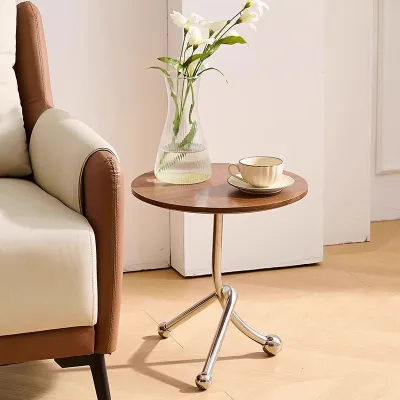
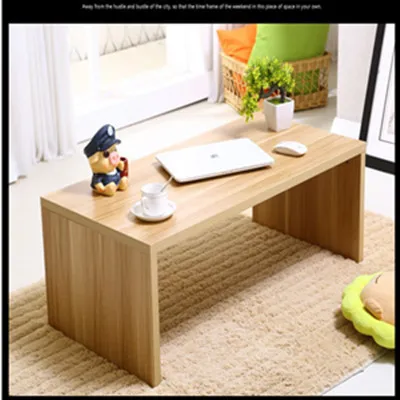
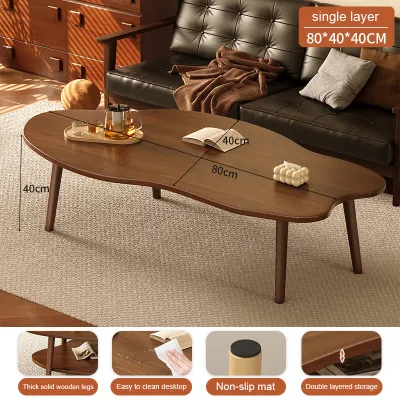
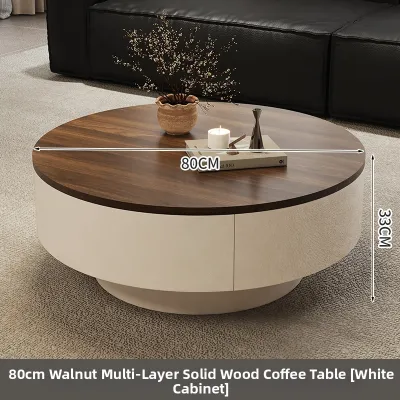
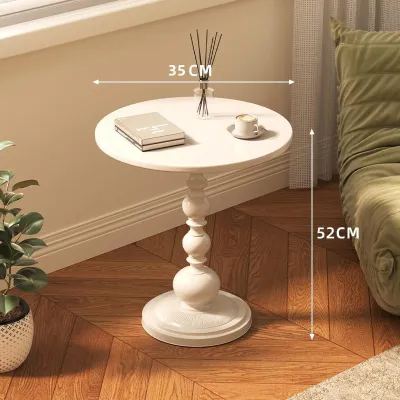
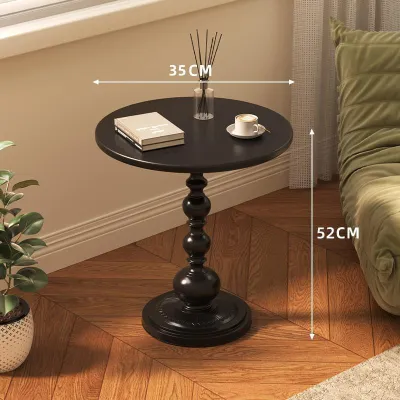
Prices are valid at publication and may change. Please refer to the product page for the latest price.
Shape plays a decisive role in how traffic flows through a tight living area. While classic rectangular tables offer a traditional look, they feature sharp corners that can obstruct narrow pathways and pose safety hazards in tight quarters. Circular or oval retro coffee tables are highly advantageous for small layouts because their curved edges naturally guide traffic and prevent painful bumps. An oval table provides the elongated surface of a rectangle while softening the room’s flow, making it easier to navigate around tight seating arrangements.
Finally, never overlook the logistics of delivery and installation. Measure your front door frame, hallway turns, stairwells, and elevator doors before finalizing a purchase. Many retro tables, particularly those featuring solid wood frames or integrated storage, are delivered fully assembled or have non-detachable legs. Ensuring that the packaged piece can clear these tight entry points prevents costly return shipping fees and delivery day frustrations.
Defining the Retro Aesthetic for Your Space
Integrating a retro aesthetic into a small room requires a selective eye, as some vintage styles are far better suited to compact spaces than others. Mid-Century Modern design is particularly effective for small layouts due to its emphasis on clean lines, organic curves, and minimalist structures. This style prioritizes functionality and avoids unnecessary ornamentation, allowing the beauty of the wood grain and the silhouette to stand out without cluttering the room visually.

One of the most important design features to look for is tapered legs, often referred to as spindle or hairpin legs. By elevating the main body of the table off the floor on slender, angled supports, these designs maximize the visible floor area underneath. This open space allows light to pass through freely, creating an illusion of spaciousness that bulky, block-based tables cannot replicate.
Warm wood tones, such as teak, walnut, and oak, are hallmarks of the retro look and bring natural warmth to modern interiors. In a small room, opt for medium to light wood finishes rather than extremely dark stains, which can absorb too much light and make the space feel enclosed. If you prefer a bolder 1970s aesthetic, look for pieces that incorporate warm tones alongside subtle glass or chrome accents, which reflect light and add a sense of brightness.
Conversely, it is wise to avoid heavy, ornate vintage styles, such as bulky Art Deco or rustic colonial designs. These pieces often feature thick, solid bases, dark finishes, and intricate carvings that dominate a room both physically and visually. By focusing on low-profile, leggy, and streamlined retro designs, you preserve the nostalgic charm of the era while keeping your small living room feeling airy and uncluttered.
Material and Durability Checks for Tropical Climates
The tropical climate of the Philippines, characterized by high humidity and seasonal temperature shifts, demands careful scrutiny of furniture materials. High moisture levels can cause solid wood to warp, swell, or split if it is not properly seasoned and sealed. When evaluating solid wood retro tables, check the manufacturer’s specifications to confirm that the timber has been kiln-dried, a process that stabilizes the wood against future moisture absorption.
Engineered woods, such as medium-density fiberboard (MDF) with wood veneers, are common in retro-style furniture and offer excellent stability in humid conditions because they do not expand or contract as much as solid wood. However, you must inspect the quality of the veneer edges. Poorly bonded veneers can peel or bubble when exposed to ambient humidity or accidental liquid spills. Look for seamless edge banding and high-quality adhesives to ensure long-term durability.
Surface treatments are your primary defense against daily wear, condensation from cold drinks, and humid air. Verify that the table has a protective topcoat, such as a polyurethane, lacquer, or specialized water-resistant varnish. A matte or satin polyurethane finish preserves the natural look of retro wood while providing a durable barrier against heat rings and moisture. If the product description does not specify the finish, ask the seller or manufacturer directly about its water and heat resistance.
For retro designs that incorporate metal frames, hairpin legs, or brass accents, rust prevention is a critical factor. High humidity can quickly corrode untreated iron or low-grade steel. Look for metal components that feature powder coating, chrome plating, or specific rust-resistant treatments. Inspect the weld points and joints carefully, as these are the areas where moisture tends to collect and initiate corrosion.
Evaluating Multifunctional Features for Small Spaces
In a compact living room, a coffee table often needs to serve multiple purposes, acting as a workspace, a dining surface, or a storage unit. Multifunctional retro designs can provide excellent utility, but they must be evaluated carefully to ensure they do not compromise the clean lines of the vintage aesthetic.
Nesting tables are an exceptional solution for small spaces. These sets typically consist of two or three tables of graduating sizes that slide completely underneath one another when not in use. This allows you to keep a single, compact footprint for daily living, while easily expanding your surface area when hosting guests or working from home. Look for nesting sets with tapered wooden legs to maintain a cohesive mid-century look.
Lift-top coffee tables feature a mechanical top that rises and moves forward, transforming the table into a comfortable desk or dining tray. While highly practical, these mechanisms require internal steel hardware that can add significant weight and bulk to the table’s design. Before choosing a lift-top model, inspect the smoothness of the lifting mechanism and verify the maximum weight capacity of the raised top. Ensure the base remains stable and does not tip forward when the top is fully extended.
Hidden storage, such as built-in drawers or open lower shelves, helps keep clutter off the tabletop, which is vital for maintaining an organized feel in a small room. However, solid storage compartments can make a table look heavy and block light. To balance storage needs with visual openness, look for retro tables that feature a slender slatted lower shelf or a single shallow drawer supported by high, tapered legs. This configuration provides a place for remote controls and reading materials while preserving the airy, elevated silhouette.
Building Your Shortlist: What to Look for When Shopping
Creating a reliable shortlist requires filtering potential purchases against strict criteria to ensure compatibility with your home. Begin by establishing your absolute maximum dimensions based on your clearance measurements. Use painter’s tape on your living room floor to outline the exact footprint of any table you are considering; this simple visual check helps you experience the physical scale of the piece before it arrives.
When browsing online marketplaces or visiting local furniture showrooms, cross-check the product specifications for material composition and structural limits. Avoid listings that use vague terms like “wood look” without clarifying whether the material is solid timber, veneered MDF, or low-grade particle board covered in paper foil. Prioritize sellers who provide detailed information about weight capacities, assembly requirements, and the specific finishes used on the surfaces.
Customer reviews can offer valuable insights into the actual assembly process and structural stability of the table. Look for feedback regarding how easily the legs attach, whether the pre-drilled holes align correctly, and if the table wobbles on uneven floors. If you are purchasing a piece that requires self-assembly, ensure you have the necessary tools or check if the retailer offers professional assembly services.
Finally, review the seller’s return policies and warranty terms carefully. Because wood furniture can sometimes exhibit natural variations or shipping damage, a clear return policy protects your investment. Confirm who covers the cost of return shipping for bulky items, as returning a large furniture piece can be costly if the item does not fit or fails to meet your expectations upon arrival.
Frequently Asked Questions (FAQ)
Can a retro coffee table with a glass top make a small room look bigger?
Yes, a retro coffee table featuring a tempered glass top can significantly enhance the perception of space in a small living room. Because glass is transparent, it allows the eye to travel completely through the table to the floor and surrounding furniture, reducing visual weight. This transparency helps maintain an open, airy atmosphere and prevents the center of the room from feeling blocked. To keep a glass-top table looking its best, regular maintenance is required. Wipe the surface daily with a soft microfiber cloth and a mild glass cleaner to remove fingerprints, dust, and smudges. Using coasters under cups and felt pads under decorative items will also prevent fine scratches and preserve the clear, reflective quality of the glass over time.
How do I protect a vintage wood coffee table from humidity?
Protecting a vintage wood coffee table from tropical humidity involves consistent preventive care and maintaining a stable indoor environment. Use dehumidifiers or air conditioning during the wet season to help regulate indoor moisture levels and prevent the wood from swelling. Avoid placing the table in direct sunlight or directly underneath air conditioning vents, as rapid temperature and humidity fluctuations can cause the wood to crack or warp. For routine maintenance, dust the table regularly with a dry, soft cloth and avoid using harsh chemical cleaners or silicone-based polishes, which can degrade the protective topcoat. Apply a high-quality furniture wax or oil recommended by the manufacturer once or twice a year to replenish the wood’s natural moisture barrier. If you notice signs of severe warping, deep cracks, or finish degradation, consult a professional furniture restorer to assess and repair the damage safely.

Community discussion
Share your experience or ask a question. Comments are reviewed before publication.