
A truly heavy-duty duyan stand for outdoor garden use must withstand both the physical stress of active swinging and the harsh tropical climate of the Philippines. To identify a stand designed to resist bending, tipping, or rusting after one rainy season, you must look beyond basic marketing labels and evaluate specific structural indicators. A genuine heavy-duty rating relies on thick-walled steel tubing, reinforced joint connections, robust weather-resistant coatings, and a wide, stable footprint designed for outdoor terrain. By verifying these physical specifications and construction details, you can ensure your outdoor relaxation spot remains safe, stable, and durable for years to come.
Evaluating Frame Construction and Load Capacity
When assessing a duyan stand, the overall frame geometry plays a critical role in how weight is distributed during use. Traditional tri-beam or A-frame designs are highly effective for classic double-ended hammocks because they distribute the load along a low, horizontal axis, minimizing the risk of the frame bowing inward. For hanging duyan chairs, a C-frame or arch design is more common, but these require a much heavier, counterweighted base to offset the single-point suspension. Arc or crescent-shaped stands offer an elegant aesthetic for garden landscapes, but they must be engineered with reinforced curves to prevent metal fatigue over time.
The manufacturer-specified weight limit is the primary indicator of a stand’s capacity, but this rating must be interpreted with a safety margin. Static weight capacity refers to a stationary load, whereas dynamic weight capacity accounts for the forces generated when you swing, climb in, or shift your weight. For a truly heavy-duty experience, look for a stand with a static weight rating that exceeds your actual usage requirements by at least 30 to 50 percent. This safety buffer ensures the frame can easily handle the sudden, increased forces of active movement without structural compromise.
Products mentioned in this guide
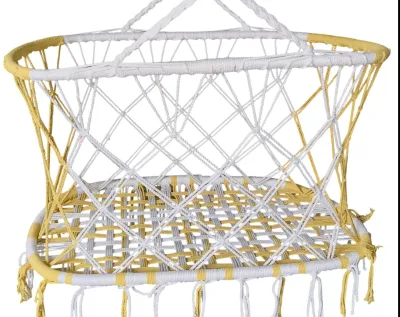
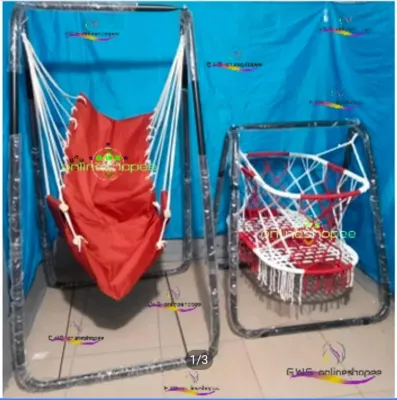
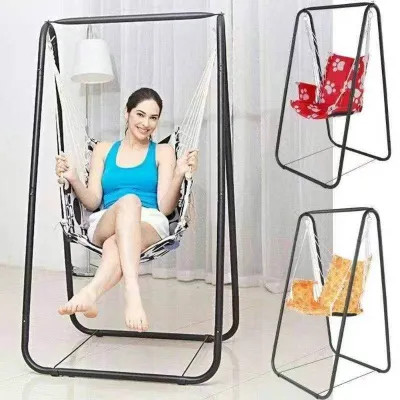
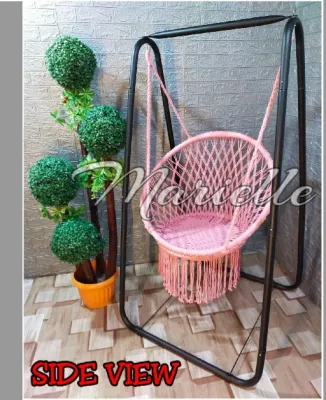
Prices are valid at publication and may change. Please refer to the product page for the latest price.
To verify these weight claims, you must inspect the physical properties of the metal tubing used in the frame. Heavy-duty stands typically utilize thick-walled steel tubing, often measured by gauge; a lower gauge number indicates thicker, stronger metal. For reliable outdoor performance, 12-gauge or 14-gauge steel is highly desirable, whereas thin 16-gauge or 18-gauge tubing is more prone to bending under heavy loads. Additionally, examine the joint connections and welding quality at primary stress points. Look for continuous, smooth welds rather than patchy or porous spot welds, and ensure that sleeve joints are reinforced with heavy-duty locking bolts or solid steel pins.
Verifying Weather Resistance and Material Finishes
The tropical climate of the Philippines presents severe environmental challenges, including high humidity, intense UV exposure, and heavy monsoon rains. Unprotected metal will quickly succumb to rust, which compromises both the appearance and the structural integrity of your duyan stand. To prevent this, look for stands that feature advanced weather-resistant coatings listed in their technical specifications. Hot-dip galvanization, which coats the steel in a protective layer of zinc, offers exceptional defense against moisture and is particularly useful if you live in coastal areas with salty air.

Powder coating is another highly effective surface treatment for outdoor furniture. This process involves applying a dry powder electrostatically and curing it under heat to create a hard, continuous barrier against the elements. For long-term durability, verify if the stand has a double-powder-coated finish or a polyester-based powder coat designed specifically for outdoor use. This barrier prevents moisture from reaching the underlying steel, stopping rust before it can start, even when the stand is subjected to frequent downpours.
The base material itself also dictates how well the stand will age in your garden. While standard carbon steel is strong, it relies entirely on its coating for rust protection; any scratch can lead to localized corrosion. Stainless steel, particularly 304 or 316 grade, offers natural corrosion resistance but comes at a premium price point. Aluminum is naturally rust-proof and lightweight, but a heavy-duty aluminum stand must feature thicker tube walls to match the structural strength of steel. If you prefer a wooden stand, ensure it is crafted from dense, pressure-treated hardwoods or naturally oily timber like teak, which resist rot and insect damage.
Furthermore, the intense tropical sun can degrade coatings and weaken materials over time. Ultraviolet (UV) radiation causes standard paints to fade, chalk, and eventually peel, exposing the bare metal underneath to humidity. When reviewing product specifications, check for explicit mentions of UV-resistant finishes or stabilizers. These additives help the protective coating retain its flexibility and color, ensuring the stand remains protected against both sun and rain throughout the changing seasons.
Checking Base Stability and Ground Adaptation
A heavy-duty duyan stand must remain firmly planted on the ground, regardless of the intensity of the swing or the type of terrain. The stability of the stand is directly related to its footprint width and length relative to its overall height. For a standard three-meter-long hammock stand, the base should extend at least one to 1.2 meters wide to provide a secure foundation. A narrow base increases the risk of lateral tipping, especially when getting into or out of the duyan, which can lead to accidental falls.
Outdoor gardens present a variety of surfaces, from manicured lawns and soft soil to gravel pathways and stone pavers. To adapt to these uneven terrains, a high-quality stand should feature wide, flat footpads rather than narrow, open tube ends. Wide footpads distribute the weight over a larger surface area, preventing the stand from sinking into soft grass or wet soil after a heavy rain. Some premium heavy-duty models also include adjustable leveling feet, which allow you to stabilize the frame on slightly sloped or uneven garden paths.
If your garden features a paved patio, tiled terrace, or wooden deck, you must also consider how the stand interacts with these hard surfaces. Metal tube ends can easily scratch tiles, gouge wood, or slide on smooth concrete during use. Look for stands equipped with non-slip rubber or durable plastic end caps on the feet. These caps not only protect your outdoor flooring from unsightly damage but also provide valuable traction, preventing the stand from shifting or sliding while you swing.
For added security on open lawns, check if the stand’s base design allows for ground anchoring. Some heavy-duty stands feature pre-drilled holes in the footpads or include specialized ground stakes. Anchoring the stand directly into the soil provides an extra layer of safety, significantly reducing the risk of the frame tipping over during high winds or vigorous swinging. This feature is particularly beneficial for families with active children who might use the duyan more dynamically.
Inspecting Suspension Hardware and Attachment Points
The structural integrity of a duyan stand is only as strong as its weakest connection point. Even the thickest steel frame can fail if the suspension hardware is substandard. When evaluating a stand, closely inspect the grade and thickness of the included chains, S-hooks, or carabiners. Heavy-duty hardware should be made of zinc-plated steel or stainless steel to resist rust, with a thickness of at least six to eight millimeters to support dynamic weight safely.
The design of the attachment hooks and locking mechanisms is crucial for preventing accidental detachment. Look for deep, heavy-duty S-hooks that prevent the duyan loops from slipping out during movement, or better yet, locking carabiners that secure the connection completely. If the stand uses adjustable chains to alter the height of the hammock, ensure the links are welded shut rather than bent open, as open links can stretch and fail under heavy loads. For hanging chairs, integrated 360-degree swivels are highly recommended to allow smooth rotation without twisting and straining the suspension ropes.
If the stand relies on straps or ropes instead of metal chains, these components must be explicitly rated for load-bearing outdoor use. Look for high-density, UV-resistant polyester or nylon webbing with reinforced, multi-row stitching at the loops. Standard utility ropes or thin nylon cords can degrade rapidly under the tropical sun, leading to sudden snaps. Always check the product manual to verify that all included hardware has been tested and rated for load-bearing applications, ensuring peace of mind during every use.
Building Your Shortlist and Pre-Purchase Checks
Before finalizing your purchase of a heavy-duty duyan stand, it is essential to conduct a thorough spatial assessment of your garden. Measure the designated area carefully, keeping in mind that you need more than just the physical footprint of the stand. You must also account for the clearance space required for safe swinging. Ensure there is at least one meter of open space in front of and behind the swing arc, and clear away any nearby hazards such as low-hanging branches, sharp garden tools, stone planters, or walls.
Next, review the manufacturer’s warranty terms with a focus on outdoor usage. A genuine heavy-duty stand designed for garden environments often comes with a warranty that specifically covers structural defects, frame bending, and rust-through. Be cautious of products that offer only a generic warranty or those that void the warranty if the stand is left outdoors. Understanding the specific coverage limits and claims process will help you gauge the manufacturer’s confidence in their product’s durability.
Finally, evaluate the assembly requirements and the overall mobility of the stand. Heavy-duty stands are inherently heavy, often constructed from dense steel components that can be difficult to manage alone. Check the assembly instructions to see if the process requires specialized tools or if it features a user-friendly, tool-free design with hand-tightened knobs and spring-pin locks. Consider whether you will be able to easily disassemble and move the stand to a sheltered area, such as a garage or covered patio, during severe weather events or typhoons to protect your investment.
Frequently Asked Questions (FAQ)
Can I leave a heavy-duty duyan stand outside all year round?
Whether you can leave your duyan stand outside indefinitely depends heavily on its material composition and protective coatings. A high-quality stand featuring hot-dip galvanization or a specialized outdoor powder coating is designed to withstand prolonged exposure to rain and sun. However, even the most durable finishes can degrade over time when subjected to continuous tropical humidity and heavy monsoon seasons.
To maximize the lifespan of your stand, it is highly recommended to use a heavy-duty, waterproof protective cover during periods of prolonged non-use or extreme weather. If a typhoon or severe storm is expected, disassembling the stand or moving it to a sheltered area like a garage or covered patio is the best way to prevent wind damage and accelerated rusting. Regular maintenance, such as wiping down the frame to remove dirt and checking for chipped paint, will also help preserve the protective barrier.
Does a heavier stand always mean it is more heavy-duty?
A common misconception is that a heavier physical shipping weight automatically translates to a more durable and heavy-duty duyan stand. While weight can indicate the use of dense metals, structural engineering and material quality are far more important factors. A poorly engineered stand made of heavy but low-grade, brittle iron can fail much sooner than a lighter stand constructed from high-tensile, thick-walled steel alloy.
Instead of relying solely on the overall weight of the product, focus on verified load ratings, tube wall thickness (gauge), and joint reinforcement. A well-designed stand utilizes strategic bracing, gussets at stress points, and high-quality welds to achieve superior strength without adding unnecessary, unmanageable bulk. This smart engineering ensures the stand remains exceptionally stable and safe while still being relatively easy to assemble, disassemble, and move around your garden when needed.

Community discussion
Share your experience or ask a question. Comments are reviewed before publication.