
Selecting a sofa that embodies the Japandi aesthetic requires a shift in perspective from ornamental display to quiet functionality. This design philosophy merges the rustic, imperfect simplicity of Japanese wabi-sabi with the warm, practical comfort of Scandinavian hygge. The ideal Japandi sofa serves as a grounding element in the living room, prioritizing low-profile structures, organic textures, and clean lines that foster a sense of calm and spaciousness.
To find a piece that truly fits this style, you must look beyond surface-level minimalism. A successful choice balances structural weight, material honesty, and ergonomic comfort. By understanding the specific design markers of the Japandi style, you can select a sofa that not only elevates your interior design but also stands up to the demands of daily life.
Defining the Japandi Sofa Silhouette and Proportions
The silhouette of a Japandi sofa is defined by its proximity to the ground. Low-profile frames are a signature characteristic, drawing inspiration from traditional Japanese floor seating. By lowering the center of gravity, these sofas create an immediate sense of visual calm and make ceilings appear higher, which is particularly beneficial for maximizing light and airflow in compact urban living spaces.
Products mentioned in this guide
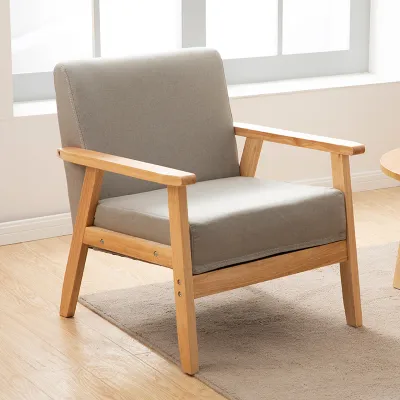
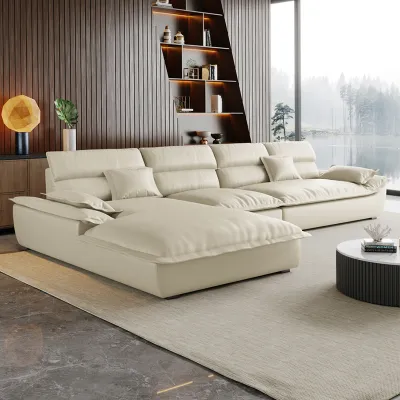
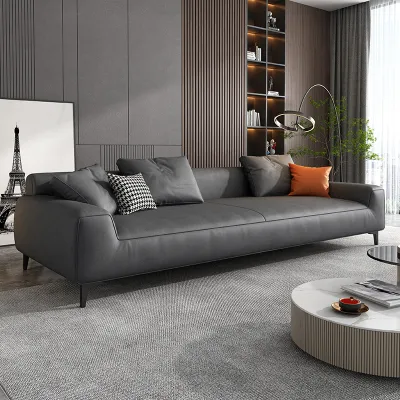

Prices are valid at publication and may change. Please refer to the product page for the latest price.
While the overall structure relies on clean, straight lines, the Japandi aesthetic avoids harsh or aggressive geometric angles. Instead, look for subtle, organic curves along the armrests, cushions, or frame edges. This gentle rounding softens the minimalist framework, ensuring the furniture feels inviting rather than sterile or clinical.
When planning your layout, consider whether a modular or a fixed configuration best serves your space. Modular Japandi sofas offer exceptional flexibility, allowing you to rearrange sections to accommodate social gatherings or open up floor space. Fixed sofas, on the other hand, provide a highly structured, tailored appearance that anchors a formal seating arrangement with quiet authority.
Proportion is equally critical when evaluating comfort against style. A true Japandi sofa features a generous seat depth that encourages relaxation, balanced by a lower backrest that preserves clean sightlines across the room. Before purchasing, verify that the cushion density provides adequate ergonomic support, ensuring the low-profile design does not compromise your physical comfort during extended use.
Selecting the Right Color Palette and Textures
The color palette of a Japandi sofa is deeply rooted in nature, focusing on tones that reflect light and promote tranquility. Core colors include warm grays, soft off-whites, cream, and beige. To add subtle depth without disrupting the neutral harmony, you can explore muted earthy greens, soft clay shades, or warm terracotta tones that mimic natural stone and soil.

Tactile interest replaces bold patterns in Japandi design. Natural fabric weaves such as linen, cotton blends, and textured bouclé are excellent choices. In warm, humid tropical climates, the breathability of these natural fibers is a significant advantage, as they allow air circulation and prevent the uncomfortable, sticky feeling often associated with heavy synthetic fabrics or dense leather.
Because natural fibers require mindful maintenance, always check the manufacturer care labels and fabric composition tags before finalizing your choice. Look for specific cleaning codes to understand how the material responds to water-based cleaners or dry solvents. Avoid assuming a fabric has inherent stain or water resistance; instead, verify if the manufacturer has applied any protective finishes or if the covers are removable and washable.
Finally, balance your upholstery choice against the existing natural light and wall colors in your living room. A very light cream sofa can look stunning in a room with abundant natural light, but it may require more frequent cleaning in active households. Conversely, a muted charcoal or deep earthy brown sofa can ground a bright room, provided it does not overwhelm the surrounding decor.
Evaluating Wood Frames and Detailing
Exposed wood elements are a cornerstone of the Japandi aesthetic, showcasing the beauty of natural materials and honest craftsmanship. Look for frames crafted from light ash, natural oak, or warm walnut finishes. The wood grain should remain visible under a matte or low-sheen protective coat, celebrating the unique patterns and minor imperfections of the timber.
Design details should emphasize simplicity and structural integrity. Tapered legs, rounded wooden bases, and seamless joinery—such as mortise-and-tenon joints—are hallmark features of high-quality Japandi furniture. Avoid sofas with heavy, ornate carvings, glossy lacquers, or bulky, blocky legs that disrupt the visual lightness of the piece.
When shopping, verify the wood treatment and frame specifications directly from the product documentation. In humid environments, kiln-dried hardwood frames are highly recommended, as this treatment process minimizes the moisture content of the wood, reducing the risk of warping, cracking, or joint loosening over time. Check the warranty details to ensure the structural frame is covered against manufacturing defects.
If the sofa incorporates metal accents or hardware, ensure they align with the minimalist theme. Highly polished chrome, shiny gold, or reflective brass can clash with the organic warmth of Japandi design. Instead, opt for hardware with a matte, brushed, or blackened finish, which blends seamlessly into the background and supports the overall understated aesthetic.
Practical Buying Checklist for Your Living Room
Before committing to a purchase, it is essential to run through a practical verification process to ensure the sofa fits your physical space and lifestyle needs. Use this step-by-step checklist to guide your decision:
- Measure the Footprint: Map out the sofa's dimensions on your living room floor using painter's tape. Ensure you maintain at least 60 to 90 centimeters of walking clearance around the sofa to preserve an open, airy flow.
- Check Vertical Proportions: Compare the sofa's backrest height with your window sills and wall art. A low-profile sofa should sit comfortably below window lines to maximize incoming natural light.
- Verify Delivery Access: Measure the width and height of all doorways, narrow hallways, stairwells, and elevator doors. This is especially crucial for apartment and condominium living, where tight corners can prevent the delivery of large, fully assembled furniture.
- Assess Structural Specifications: Review the manufacturer's stated weight capacity and frame construction materials. Confirm that the suspension system (such as pocket springs or sinuous springs) matches your durability expectations.
- Review Policies and Assembly: Check the retailer's return policy, delivery fees, and warranty coverage. Determine if the sofa arrives fully assembled or if you need to prepare tools for home assembly.
Taking the time to verify these physical and logistical details prevents costly delivery failures and ensures your new furniture integrates seamlessly into your home.
Frequently Asked Questions (FAQ)
Can I mix Japandi sofas with other living room styles?
Yes, a Japandi sofa can transition smoothly into other design styles due to its neutral color palette and clean lines. To create a cohesive look, pair the sofa with furniture that shares similar natural materials, such as a mid-century modern wooden coffee table or a rustic stone side table. Avoid introducing highly ornate, glossy, or heavily patterned pieces, as these can disrupt the minimalist balance and create visual clutter. You can bridge different design eras by using simple, solid-colored textiles and matte-finished lighting fixtures.
How do I maintain the natural fabrics used in Japandi sofas?
Maintaining natural upholstery fabrics requires regular, gentle care. Vacuum the sofa weekly using a soft brush attachment to remove dust and prevent dirt from settling into the weave. Always refer to the manufacturer’s specific cleaning codes (such as W for water-based cleaners or S for solvents) before attempting to spot clean spills. Avoid using harsh bleach or abrasive chemicals, which can degrade natural fibers and cause discoloration. For deep or set-in stains, stop DIY cleaning attempts and consult a professional upholstery cleaning service to avoid permanent fabric damage.

Community discussion
Share your experience or ask a question. Comments are reviewed before publication.